Gaming Relationship Problems: When Gaming Hurts Relationships
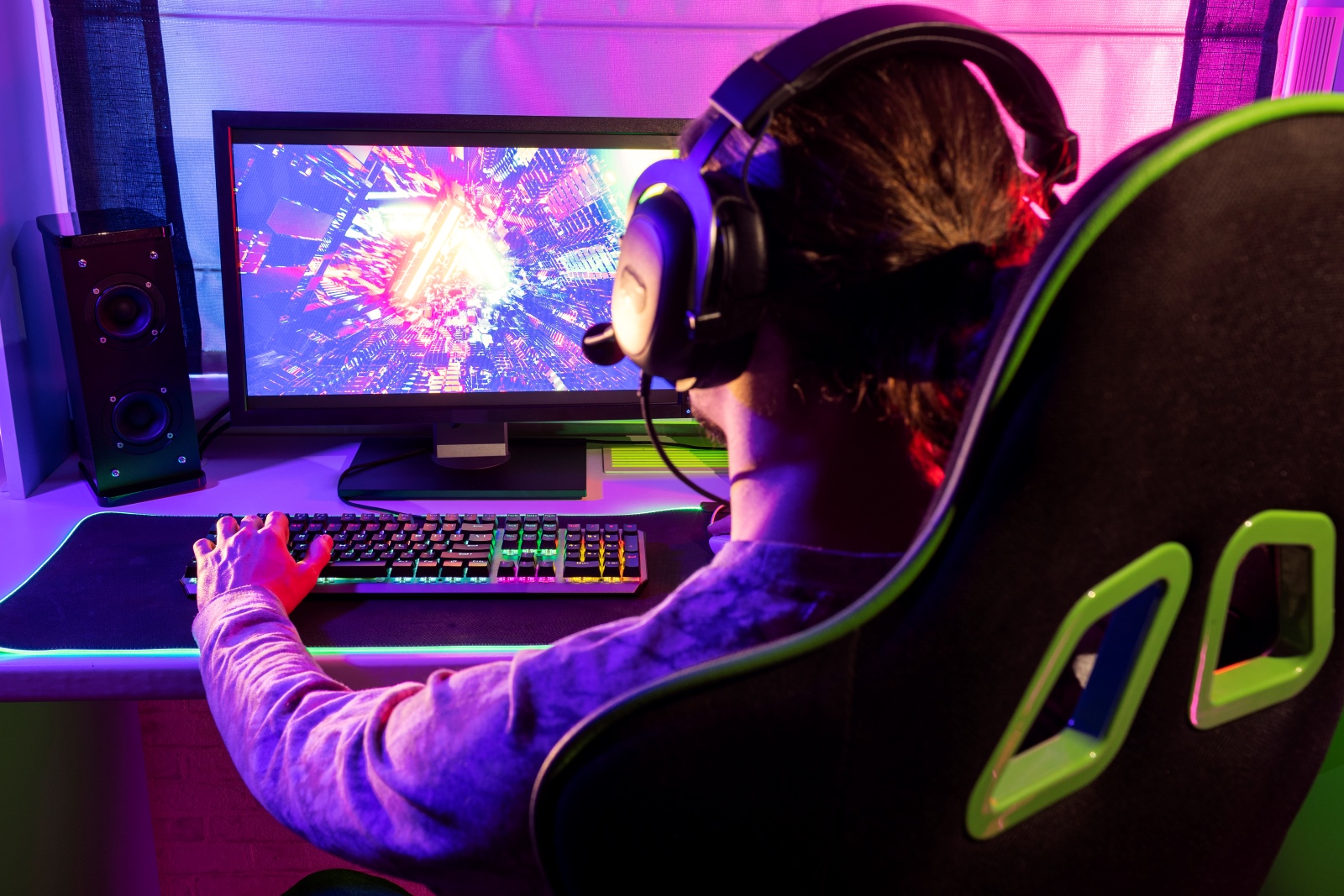
Ever feel like you're competing with a screen for your partner's attention? Do digital dragons, virtual quests, or online battles seem to hold more allure than spending quality time together? You're not alone. Gaming, a beloved pastime for many, can sometimes cast a shadow over relationships, creating distance and discord where connection should thrive.
It’s disheartening to feel overlooked, especially when the glow of a monitor seems to hold your loved one captive. Perhaps you've experienced canceled plans, stilted conversations, or a general sense of being second fiddle to the digital world. Maybe you've tried to voice your concerns, only to be met with defensiveness or a feeling that your worries are being dismissed as trivial. The frustration is real, and it's important to acknowledge that your feelings are valid.
This blog post delves into the complex landscape of gaming and its potential impact on relationships. We'll explore the underlying reasons why gaming can become a point of contention, identify common warning signs, and offer practical strategies for navigating these challenges. Whether you're a gamer or in a relationship with one, understanding the dynamics at play is the first step towards fostering a healthier, more balanced connection.
Essentially, we’ll be discussing the issues that arise when gaming habits negatively impact a relationship, potentially leading to conflict, neglect, and resentment. We'll touch upon topics like communication strategies, setting boundaries, understanding the psychology behind gaming, and finding ways to balance individual passions with shared quality time. The goal is to offer both insight and actionable advice for couples seeking to strengthen their bond while respecting each other's interests.
The Gamer's Perspective
I remember a time when my own gaming habits almost cost me a relationship. I was heavily invested in a massively multiplayer online role-playing game (MMORPG). The sense of community, the challenge of the raids, and the constant progression consumed a large part of my free time. My then-girlfriend started to feel neglected. Date nights were frequently canceled, and even when we were together, I was often mentally preoccupied with the game. She tried talking to me, but I was defensive, arguing that it was "just a hobby" and that she was overreacting. The turning point came when she told me she felt like she was dating my computer, not me. That hit hard. I realized I was prioritizing the virtual world over the real one, and that the thrill of the game was a poor substitute for genuine connection and shared experiences. I had to make a conscious effort to re-evaluate my priorities, set boundaries around my gaming time, and actively invest in our relationship. It wasn't easy, but it was essential. Many gamers find solace, community, and a sense of accomplishment in the digital world. Understanding this motivation is crucial for partners who aren't gamers themselves. It's about finding a balance where both partners feel valued and understood, and where gaming doesn't become a barrier to intimacy and connection.
Understanding Gaming Addiction
Gaming addiction, sometimes referred to as internet gaming disorder, is a behavioral addiction characterized by a compulsive need to play video games, often to the detriment of other important aspects of life. It's not just about enjoying games; it's about the inability to control the gaming habit, leading to negative consequences in areas like relationships, work, school, and personal health. Individuals struggling with gaming addiction may experience withdrawal symptoms when they try to reduce their gaming time, such as irritability, anxiety, and depression. They may also lie about their gaming habits, isolate themselves from friends and family, and neglect their responsibilities. While the World Health Organization (WHO) has recognized gaming disorder as a mental health condition, it's important to note that not everyone who plays video games excessively is addicted. The key is whether the gaming is causing significant distress or impairment in their lives. Understanding the difference between a passionate hobby and a genuine addiction is crucial for addressing the issue effectively and seeking appropriate help if needed. Seeking professional help from a therapist specializing in addiction can be instrumental in developing coping mechanisms and strategies for managing gaming habits in a healthy way.
The History and Myth of Gaming's Impact
The concern surrounding video games and their potential negative effects is not new. Since the early days of arcades and home consoles, there have been anxieties about addiction, violence, and social isolation. In the past, many of these fears were fueled by moral panics and a lack of understanding about the medium itself. Myths surrounding gaming often portray it as a solitary activity that breeds aggression and detachment from reality. While excessive gaming can certainly have negative consequences, these myths often oversimplify the complex relationship between gamers and their hobby. Today, games often provide social interaction through online multiplayer modes and e Sports. Games can be a medium for storytelling, problem-solving, and creative expression. The history of gaming is a history of technological and cultural evolution, and our understanding of its impact on individuals and society continues to evolve as well. The reality is that gaming, like any other form of entertainment, can be enjoyed in moderation and can even offer benefits such as improved cognitive skills and social connections. It's important to approach the topic with nuance and avoid perpetuating harmful stereotypes.
Hidden Secrets of Gaming and Relationships
One of the hidden secrets of gaming and relationships is the underlying unmet needs that excessive gaming can sometimes mask. For some, gaming provides an escape from stress, anxiety, or feelings of inadequacy. For others, it offers a sense of accomplishment and control that may be lacking in their real lives. Recognizing these underlying needs is crucial for addressing the root cause of the issue, rather than simply focusing on the gaming itself. Open and honest communication is key to uncovering these hidden secrets. It's important to create a safe space where both partners can express their feelings and vulnerabilities without judgment. Exploring alternative ways to meet those unmet needs, such as pursuing other hobbies, spending quality time together, or seeking professional help, can be instrumental in breaking the cycle of excessive gaming and strengthening the relationship. Another hidden secret is that gaming can sometimes be a symptom of a deeper issue, such as depression or anxiety. If you suspect that your partner's gaming is related to an underlying mental health condition, encouraging them to seek professional help is essential.
Recommendations for a Healthier Balance
Finding a healthier balance between gaming and relationships requires a collaborative effort and a willingness to compromise. Start by having an open and honest conversation about your concerns and feelings. Avoid blaming or accusing, and instead focus on expressing your needs and how the gaming is affecting you. Together, set realistic and achievable boundaries around gaming time. This could involve designating specific times for gaming, limiting the duration of gaming sessions, or establishing "tech-free" zones in the house. It's also important to schedule regular quality time together, away from screens and distractions. This could involve going on dates, engaging in shared hobbies, or simply spending time talking and connecting with each other. Consider exploring games that you can play together as a couple. This can be a fun way to bond and share a common interest. If you're struggling to find a balance on your own, consider seeking professional help from a therapist specializing in relationships or addiction. A therapist can provide guidance, support, and strategies for navigating these challenges and strengthening your relationship. Remember that finding a healthy balance is an ongoing process, and it requires continuous communication, compromise, and commitment from both partners.
Understanding Different Gaming Preferences
It's crucial to understand that people enjoy different types of games for different reasons. Some are drawn to the competitive nature of online multiplayer games, while others prefer the immersive storytelling of single-player adventures. Some enjoy the strategic thinking required in puzzle games, while others simply want to unwind with a casual mobile game. Understanding your partner's gaming preferences can help you appreciate their hobby and find common ground. For example, if your partner enjoys competitive games, you might try watching them play or asking them to explain the game to you. If they enjoy story-driven games, you might try reading about the game's lore or characters. It's also important to be respectful of their gaming time and avoid interrupting them unnecessarily. Remember that gaming is their hobby, and they deserve to enjoy it without feeling judged or criticized. By understanding and respecting their gaming preferences, you can foster a more positive and supportive relationship.
Tips for Navigating Gaming Conflicts
When conflicts arise due to gaming, it's important to approach the situation with empathy and understanding. Avoid accusatory language and instead focus on expressing your feelings in a calm and respectful manner. Use "I" statements to communicate your perspective without blaming your partner. For example, instead of saying "You're always playing games and ignoring me," try saying "I feel neglected when you spend so much time gaming." Actively listen to your partner's perspective and try to understand their motivations for gaming. Ask them about what they enjoy about it and why it's important to them. Compromise is essential for resolving conflicts. Be willing to meet your partner halfway and find solutions that work for both of you. This might involve setting boundaries around gaming time, scheduling regular quality time together, or finding alternative activities to enjoy together. If you're struggling to resolve conflicts on your own, consider seeking professional help from a therapist specializing in couples counseling. A therapist can provide guidance and support in navigating these challenges and improving communication within your relationship. Remember that conflict is a normal part of any relationship, and it's how you handle those conflicts that determines the strength of your bond.
Setting Boundaries Effectively
Setting boundaries effectively is crucial for managing gaming habits and maintaining a healthy relationship. It's important to have a clear and open discussion about what boundaries are needed and why. Be specific about the behaviors that are causing concern and the desired changes. For example, instead of saying "You need to play less games," try saying "I would like you to limit your gaming time to two hours per day on weekdays." Boundaries should be realistic and achievable. Setting unrealistic boundaries can lead to frustration and resentment. Make sure that both partners agree on the boundaries and are willing to commit to them. Consistency is key to maintaining boundaries. Once boundaries are established, it's important to consistently enforce them. This might involve gentle reminders or consequences for violations. Be prepared to compromise and adjust boundaries as needed. Relationships evolve over time, and boundaries may need to be adjusted to reflect changing needs and circumstances. Remember that boundaries are not meant to be punitive; they are meant to protect the relationship and ensure that both partners feel respected and valued. Communicating clearly and enforcing boundaries consistently is essential for creating a healthy and balanced dynamic.
Fun Facts About Gaming and Relationships
Did you know that some studies have shown that playing video games together can actually strengthen relationships? Cooperative games, in particular, can foster teamwork, communication, and problem-solving skills. Gaming can also provide a shared interest and a way to bond with your partner. However, it's important to choose games that both partners enjoy and to avoid getting too competitive. Another fun fact is that many couples who are gamers have incorporated gaming into their wedding ceremonies or anniversaries. This can involve using game-themed decorations, playing video game music, or even having a custom-designed cake featuring their favorite game characters. Gaming can also be a way for couples to connect with each other on a deeper level, sharing their passions and interests. Some couples have even found love through online gaming communities. While gaming can sometimes be a source of conflict in relationships, it can also be a source of joy, connection, and shared experiences. The key is to find a healthy balance and to communicate openly about your needs and expectations.
How to Communicate Effectively About Gaming
Effective communication is the cornerstone of any healthy relationship, especially when navigating the complexities of gaming habits. Start by choosing the right time and place to have the conversation. Avoid bringing up the topic when you're feeling angry or frustrated, or when your partner is in the middle of a game. Instead, find a time when you can both sit down and talk calmly and openly. Use "I" statements to express your feelings without blaming your partner. This can help to avoid defensiveness and create a more receptive atmosphere. For example, instead of saying "You're always playing games and ignoring me," try saying "I feel neglected when you spend so much time gaming." Actively listen to your partner's perspective and try to understand their motivations for gaming. Ask them about what they enjoy about it and why it's important to them. Validate their feelings and acknowledge their perspective, even if you don't agree with it. Be willing to compromise and find solutions that work for both of you. This might involve setting boundaries around gaming time, scheduling regular quality time together, or finding alternative activities to enjoy together. Remember that communication is a two-way street, and it requires both partners to be willing to listen, understand, and compromise.
What If Gaming is a Deal Breaker?
Sometimes, despite your best efforts, the differences in gaming habits and priorities may be irreconcilable. If one partner's gaming is causing significant distress, neglect, or financial strain, and they are unwilling to address the issue, it may be time to consider whether the relationship is sustainable. It's important to have a frank and honest conversation about the impact of the gaming on the relationship and the lack of willingness to change. If the gaming is a deal breaker for you, it's important to communicate that clearly and respectfully. Be prepared for the possibility that your partner may not agree with your assessment or be willing to make the necessary changes. If that's the case, it may be time to consider separating or seeking professional help to determine whether the relationship can be salvaged. It's important to prioritize your own well-being and happiness. Staying in a relationship that is causing you significant distress or unhappiness is not healthy in the long run. Remember that you deserve to be with someone who values your needs and is willing to work together to create a healthy and fulfilling relationship.
Listicle: 5 Ways to Reclaim Your Relationship from Gaming
1.Schedule Tech-Free Time: Designate specific times each day or week when you both disconnect from screens and focus on each other. This could involve going for a walk, cooking together, or simply having a conversation without distractions.
2.Plan Dedicated Date Nights: Make a conscious effort to schedule regular date nights, away from the house and away from screens. This will give you both a chance to reconnect and rekindle the romance.
3.Explore Shared Interests: Find activities that you both enjoy and can do together. This could involve taking a cooking class, joining a hiking group, or attending a concert.
4.Communicate Openly and Honestly: Talk to your partner about your concerns and feelings in a calm and respectful manner. Avoid blaming or accusing, and instead focus on expressing your needs.
5.Seek Professional Help: If you're struggling to find a balance on your own, consider seeking professional help from a therapist specializing in relationships or addiction. A therapist can provide guidance, support, and strategies for navigating these challenges.
Question and Answer
Q: My partner plays games all the time. How do I get them to stop?
A: You can't force someone to stop playing games, but you can express your concerns and set boundaries. Start by having an open and honest conversation about how their gaming habits are affecting you and the relationship.
Q: I'm a gamer, and my partner doesn't understand my hobby. What can I do?
A: Try to help your partner understand your passion for gaming. Explain what you enjoy about it and why it's important to you. You could even invite them to play with you!
Q: We fight constantly about gaming. Is there any hope for our relationship?
A: Yes, there is hope! The key is to communicate effectively, set boundaries, and be willing to compromise. If you're struggling to resolve conflicts on your own, consider seeking professional help.
Q: My partner spends money on games that we can't afford. What should I do?
A: This is a serious issue that needs to be addressed immediately. Have an open and honest conversation about your financial situation and the impact of their spending habits. If necessary, consider seeking financial counseling.
Conclusion of Gaming Relationship Problems: When Gaming Hurts Relationships
Gaming can be a wonderful hobby, providing entertainment, social connection, and mental stimulation. However, when gaming habits become excessive and negatively impact relationships, it's crucial to address the issue proactively. Open communication, setting boundaries, understanding each other's perspectives, and seeking professional help when needed are essential steps toward finding a healthy balance. Remember that a strong and fulfilling relationship requires mutual respect, compromise, and a commitment to prioritizing each other's needs.
Post a Comment