Gaming Parent Concerns: Family Challenges with Gaming
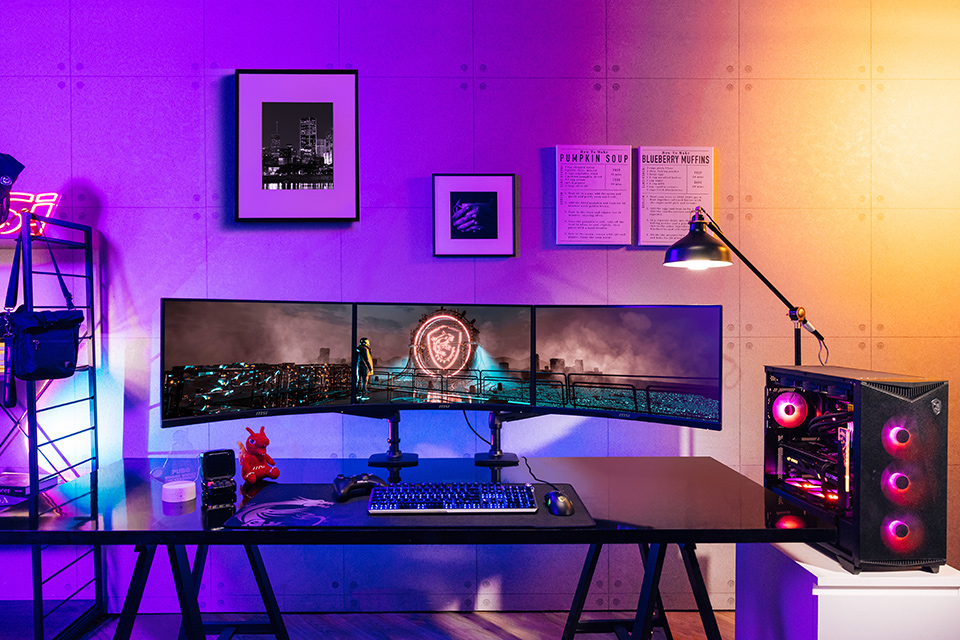
Is your child glued to their screen, controller in hand, seemingly oblivious to the world around them? Do dinner conversations revolve solely around the latest game updates, leaving you feeling lost and disconnected? You're not alone. Navigating the world of gaming with children can be a complex and often frustrating experience for parents.
Many families struggle with balancing screen time, managing game-related expenses, and understanding the sometimes bewildering world their children inhabit online. Concerns about exposure to inappropriate content, cyberbullying, and potential addiction add to the stress, creating tension and conflict within the household.
This article aims to address those very concerns. We'll delve into the common challenges faced by parents of gamers, offering practical advice and strategies to foster a healthy relationship with gaming within the family. We'll explore ways to set boundaries, encourage open communication, and understand the potential benefits of gaming, all while addressing the real worries that keep parents up at night.
Ultimately, the goal is to equip you with the knowledge and tools to navigate the digital landscape confidently and support your child's gaming interests in a balanced and healthy way. This includes setting appropriate screen time limits, understanding the games your child plays, addressing concerns about online safety, and fostering open communication about their gaming experiences. By understanding the challenges and embracing proactive strategies, families can transform potential conflict into opportunities for connection and growth.
Screen Time Struggles and Solutions
Screen time is often the biggest battleground in families with gamers. I remember when my son, Liam, first discovered online gaming. Suddenly, homework was a chore, family dinners were optional, and sleep became a distant memory. His entire world revolved around leveling up his character and raiding with his guild. The constant requests for "just one more game" were exhausting, and I felt like I was constantly nagging him. It created so much tension in our house. We tried everything, from banning games altogether (which resulted in epic meltdowns) to completely giving up and letting him play whenever he wanted (which led to even worse grades and a sleep-deprived, grumpy teenager). The key, we eventually discovered, was finding a balance and establishing clear, consistent boundaries. Screen time limits, designated "no-screen" zones in the house, and scheduled family activities helped us reclaim our evenings and re-establish a sense of normalcy. Beyond just limiting time, it was about understandingwhathe was doing online. What games was he playing, who was he interacting with, and what were the potential risks and rewards? Open communication was key.
Understanding the Games Your Child Plays
Many parents feel completely lost when it comes to understanding the games their children play. Games are not all created equal, and diving in is the first step. Games range from simple puzzle games to complex strategy games. Some are single-player experiences, while others are massively multiplayer online games (MMOs) where players interact with thousands of others from around the world. Understanding the genre, the gameplay mechanics, and the target audience can provide valuable insights into your child's gaming interests. It also helps you assess the game's suitability for your child's age and maturity level. The Entertainment Software Rating Board (ESRB) ratings provide guidance, but it's crucial to do your own research and read reviews from other parents. Furthermore, understanding the game allows you to engage in conversations with your child about their experiences. Ask them about their favorite characters, the challenges they face, and the strategies they use. This shows that you're interested in their world and creates opportunities for meaningful connection. Gaming is more than just entertainment; it can be a social outlet, a creative outlet, and a way to develop problem-solving skills.
The History and Myth of Gaming Addiction
The fear of gaming addiction is a common concern among parents. While it's true that excessive gaming can be problematic, it's important to distinguish between passionate engagement and genuine addiction. The idea of "gaming addiction" is relatively new, and its definition and prevalence are still debated among experts. Historically, concerns about children and new technologies have always existed, from dime novels to television. There's a tendency to demonize the latest form of entertainment, attributing various societal ills to its influence. It’s also tempting to believe if you provide something for your kids you will spoil them. However, research suggests that gaming addiction is often a symptom of underlying issues, such as depression, anxiety, or social isolation. In these cases, gaming can become a coping mechanism, a way to escape from real-world problems. Instead of solely focusing on limiting gaming, it's crucial to address the underlying causes. Encourage open communication, provide support, and seek professional help if necessary. Remember, a healthy relationship with gaming involves balance and moderation, not complete abstinence.
Unveiling the Hidden Secrets of Gaming
Beyond the surface level of entertainment, gaming can offer a wealth of hidden benefits. Many games require strategic thinking, problem-solving, and quick decision-making, which can help improve cognitive skills. Online multiplayer games foster teamwork, communication, and leadership skills. Furthermore, gaming can be a creative outlet, allowing players to design their own worlds, create stories, and express themselves artistically. Many games encourage critical thinking and historical learning. For instance, games set in historical periods can spark an interest in history and encourage players to research the events and cultures depicted. Certain games offer opportunities to learn new languages or improve existing language skills. Interacting with other players from around the world can expose players to different cultures and perspectives. By recognizing and highlighting these hidden benefits, parents can shift the narrative from viewing gaming as a purely negative activity to appreciating its potential for learning and growth. Acknowledging these positive aspects can also foster a more collaborative and supportive approach to gaming within the family.
Recommendations for Fostering Healthy Gaming Habits
Creating a healthy gaming environment requires a multi-faceted approach. First and foremost, establish clear and consistent screen time limits. Use parental control features on consoles, computers, and mobile devices to enforce these limits. Make sure these limits allow plenty of time to do other activities. Encourage your child to participate in a variety of activities, such as sports, hobbies, and social events. This helps prevent them from becoming overly reliant on gaming for entertainment and social interaction. Create "no-screen" zones in the house, such as the dinner table and bedrooms. This encourages family time and helps establish healthy boundaries. Open communication is essential. Talk to your child about their gaming interests, ask them about the games they play, and discuss any concerns you may have. Be willing to listen and learn. Play games with your child. This is a great way to bond, understand their interests, and monitor their online interactions. If you have concerns about your child's gaming habits, seek professional help. A therapist or counselor can provide guidance and support.
Balancing Gaming with Other Activities
One of the biggest challenges for parents is ensuring that gaming doesn't consume their child's life to the exclusion of other important activities. This requires a conscious effort to create a balanced schedule that includes time for schoolwork, extracurricular activities, social interaction, and family time. Encourage your child to participate in sports, clubs, or other hobbies that they enjoy. This provides opportunities for physical activity, social interaction, and personal growth. Set aside dedicated family time each week, free from screens. This could be a family dinner, a game night, or an outing to a park or museum. It is also important to encourage your child to maintain face-to-face interactions with friends and family. While online communication is valuable, it's important to balance it with real-world relationships. Teach your child time management skills. Help them create a schedule that prioritizes important tasks and allocates time for gaming. This can help them stay on track and avoid falling behind on schoolwork or other responsibilities. By proactively fostering a balanced lifestyle, parents can help their children enjoy gaming in a healthy and sustainable way.
Essential Tips for Managing Gaming in Your Family
Effective management of gaming within the family goes beyond simply setting rules. It involves creating a supportive and understanding environment where open communication is encouraged. Lead by example. Limit your own screen time and engage in a variety of activities. This sends a powerful message to your child about the importance of balance. Educate yourself about the games your child plays. Understand the gameplay mechanics, the target audience, and the potential risks and rewards. This will allow you to have more informed conversations with your child. Establish clear consequences for breaking the rules. This could include reduced screen time, loss of privileges, or other appropriate measures. Be consistent with your enforcement. Celebrate your child's achievements, both in and out of the game. This shows that you value their efforts and support their interests. Foster a positive attitude towards gaming. Recognize its potential benefits and avoid demonizing it. This will create a more open and collaborative environment within the family. Remember, the goal is not to eliminate gaming altogether, but to help your child develop healthy habits and a balanced lifestyle.
Understanding ESRB Ratings
The Entertainment Software Rating Board (ESRB) ratings are a valuable tool for parents, but they are not a substitute for your own judgment. The ESRB assigns ratings to games based on their content, using a system similar to movie ratings. However, the ratings only provide a general indication of the content and may not capture all of the nuances of a particular game. It's important to read the rating descriptions carefully and consider your child's age, maturity level, and individual sensitivities. The ESRB website also provides additional information about the rating system and the content descriptors used. In addition to the ESRB ratings, it's helpful to read reviews from other parents. These reviews can provide valuable insights into the game's content, gameplay, and overall suitability for children. Remember, you know your child best. Use the ESRB ratings and parent reviews as a starting point, but ultimately trust your own judgment when deciding whether a game is appropriate for your child.
Fun Facts About the Gaming World
The gaming industry is a massive and ever-evolving world, full of fascinating facts and surprising statistics. Did you know that the first video game was created in 1958? "Tennis for Two" was a simple electronic game played on an oscilloscope. The best-selling video game of all time is Minecraft, with over 238 million copies sold worldwide. Gaming is not just for kids. The average age of a gamer is 35. Video games are a major source of entertainment, generating billions of dollars in revenue each year. The gaming industry is larger than the movie and music industries combined. E-sports, or competitive video gaming, is a rapidly growing phenomenon, with millions of fans watching tournaments online and in person. Some professional gamers earn millions of dollars each year through sponsorships, prize money, and streaming. Gaming can be a social activity. Many games allow players to connect with friends and family online, fostering social interaction and teamwork. The gaming world is constantly evolving, with new technologies, games, and platforms emerging all the time. It's a dynamic and exciting space that offers something for everyone.
How to Talk to Your Child About Online Safety
Online safety is a paramount concern for parents of gamers. It's essential to have open and honest conversations with your child about the risks and how to protect themselves. Teach your child about the importance of privacy. Explain that they should never share personal information online, such as their name, address, phone number, or school. Discuss the dangers of online predators. Explain that not everyone online is who they say they are, and that it's important to be cautious about accepting friend requests or meeting people in person. Teach your child about cyberbullying. Explain that it's never okay to harass or bully others online, and that they should report any instances of cyberbullying to you or a trusted adult. Encourage your child to be responsible digital citizens. Explain that their online actions have consequences, and that they should treat others with respect. Use parental control features to monitor your child's online activity. This can help you identify potential risks and intervene if necessary. Keep the lines of communication open. Encourage your child to talk to you about anything that makes them feel uncomfortable or unsafe online. By empowering your child with knowledge and fostering open communication, you can help them stay safe in the digital world.
What If My Child Is Really Good at Gaming?
If your child exhibits exceptional talent in gaming, it's natural to wonder about the possibilities. While a career in professional gaming is a long shot, it's important to acknowledge and support their passion. First, encourage them to develop their skills and participate in online tournaments or leagues. This can provide valuable experience and exposure. Help them understand the competitive landscape and the dedication required to succeed. Emphasize the importance of education and a well-rounded lifestyle. Gaming should not come at the expense of schoolwork, social activities, or physical health. If they are serious about pursuing a career in gaming, encourage them to explore related fields, such as game design, programming, or streaming. These skills can provide valuable career options even if they don't become a professional gamer. Be realistic about the challenges and risks involved. The path to professional gaming is highly competitive, and only a small percentage of aspiring gamers achieve success. Support their dreams, but also help them develop a backup plan. Regardless of whether they pursue a career in gaming, their passion and dedication can be valuable assets in any field.
Top 5 Games That Can Actually Benefit Your Child
While some games may raise concerns, others can offer significant benefits for children's development. Here are five games that can actually be good for your child: 1. Minecraft: This sandbox game encourages creativity, problem-solving, and collaboration. Players can build anything they can imagine, fostering spatial reasoning and resource management skills.
2. Portal 2: This puzzle game challenges players to think critically and solve complex problems using portals and physics. It promotes logic, spatial reasoning, and teamwork.
3. Kerbal Space Program: This simulation game allows players to design, build, and launch rockets and spacecraft. It teaches physics, engineering, and problem-solving skills.
4. Civilization VI: This strategy game challenges players to build and manage their own civilization, fostering historical knowledge, strategic thinking, and resource management skills.
5. Overcooked 2: This cooperative cooking game requires players to work together to prepare and serve meals under pressure. It promotes teamwork, communication, and problem-solving skills. These are just a few examples, and there are many other games that can offer educational and developmental benefits. The key is to choose games that are appropriate for your child's age and interests and to encourage them to play in moderation.
Question and Answer
Q: How much screen time is too much for my child?
A: There's no magic number, but a good rule of thumb is to limit recreational screen time to 1-2 hours per day on school days and a bit more on weekends. The key is to prioritize other activities, such as homework, exercise, and social interaction.
Q: My child gets angry when I try to limit their gaming. What should I do?
A: Stay calm and consistent. Explain the reasons for the limits and enforce them fairly. Offer alternatives, such as spending time with friends or engaging in a hobby. If the anger is persistent or excessive, consider seeking professional help.
Q: How can I tell if my child is addicted to gaming?
A: Signs of gaming addiction include neglecting schoolwork, social activities, and personal hygiene; spending excessive amounts of time gaming; becoming irritable or anxious when not gaming; and lying about gaming habits. If you're concerned, seek professional help.
Q: What are some good resources for parents of gamers?
A: Common Sense Media offers reviews and ratings of games and other media. The ESRB website provides information about game ratings and content descriptors. The American Academy of Pediatrics offers guidance on screen time and child development.
Conclusion of Gaming Parent Concerns: Family Challenges with Gaming
Navigating the world of gaming as a parent can be challenging, but by understanding the concerns, fostering open communication, and implementing practical strategies, families can create a healthy and balanced gaming environment. Remember, the goal is not to eliminate gaming, but to help your child develop responsible habits and a well-rounded lifestyle. By embracing the potential benefits of gaming and addressing the potential risks, you can support your child's interests and create opportunities for connection and growth.
Post a Comment