Gaming Life Lessons: Wisdom Learned Through Gaming Experience
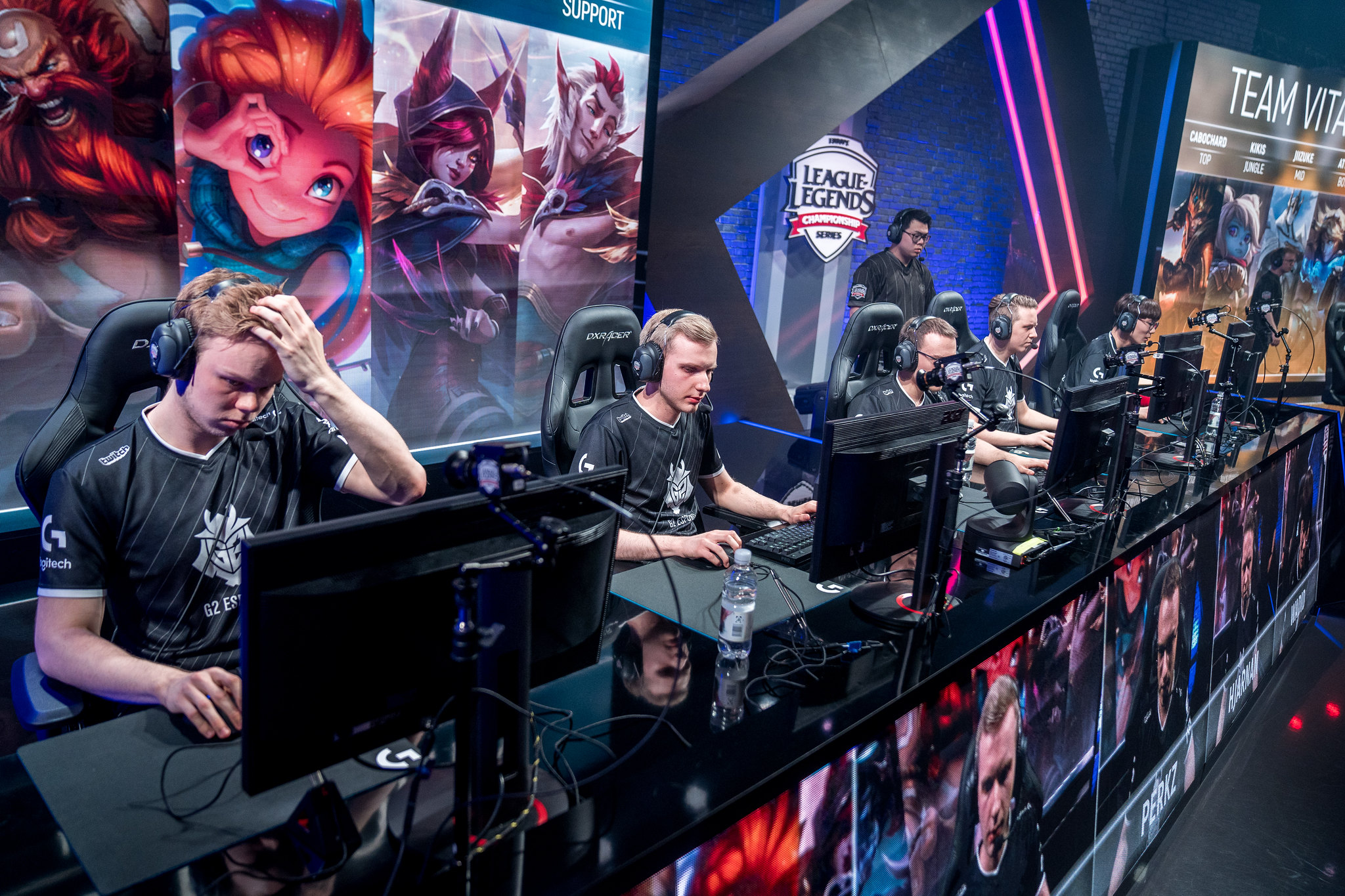
Ever found yourself strangely prepared for real-life challenges after a particularly intense gaming session? It might sound odd, but the digital worlds we explore and conquer can offer surprisingly valuable insights applicable to our everyday lives.
Let's be honest, sometimes real life can feel like a never-ending grind, a frustrating series of repetitive tasks with little reward. We face setbacks, encounter difficult "bosses" (in the form of demanding colleagues or unreasonable clients), and often feel like we're just not leveling up fast enough. Finding motivation and resilience can be tough when the game feels rigged.
This blog post dives into the unexpected wellspring of wisdom that gaming provides. We'll explore the life lessons embedded within the pixels and polygons, revealing how strategic thinking, teamwork, perseverance, and even dealing with defeat in virtual worlds can translate into real-world success and personal growth. Get ready to see gaming in a whole new light!
Gaming provides us with more than just entertainment; it's a training ground for essential life skills. We'll uncover the unexpected connections between virtual challenges and real-world triumphs, highlighting the value of strategic thinking, teamwork, resilience, and adaptability fostered by gaming. So, grab your controller (or keyboard) and let's level up our lives together, exploring the profound wisdom hidden within our favorite games. We'll be looking at perseverance in gaming, strategic thinking, teamwork, and how failure in gaming can lead to real-world success.
Persistence Pays Off: The Grinding Game
One of the most valuable lessons I've learned from gaming is the importance of persistence. I remember spending weeks trying to defeat a particularly challenging boss in Dark Souls. Over and over, I'd get knocked down, my virtual character reduced to a pile of pixels. Each death felt incredibly frustrating. I almost gave up countless times, convinced that the boss was simply unbeatable. But something kept me coming back. I started analyzing the boss's attack patterns, experimenting with different weapons and strategies, and learning from each mistake. Slowly but surely, I improved. I learned to anticipate attacks, exploit weaknesses, and manage my resources more effectively. Finally, after countless attempts, I emerged victorious. The feeling of accomplishment was immense, far surpassing the satisfaction of simply breezing through a game.
This experience taught me that success often requires relentless effort and a refusal to give up, even when faced with seemingly insurmountable obstacles. In real life, we encounter similar challenges – difficult projects at work, personal struggles, or academic hurdles. The ability to persevere, to learn from our mistakes, and to keep pushing forward, even when the odds seem stacked against us, is a crucial skill that can be honed through gaming. Games that require grinding, repetitive tasks to level up or acquire rare items, are particularly effective in teaching this lesson. They demonstrate that consistent effort, even when progress seems slow, eventually leads to rewards. This principle applies to countless aspects of life, from mastering a new skill to building a successful career. It's about embracing the process, focusing on continuous improvement, and understanding that the journey is just as important as the destination. And that is the gaming life lessons!
Strategic Thinking: Beyond Button Mashing
Strategic thinking in gaming goes far beyond simply mashing buttons and hoping for the best. It's about analyzing the situation, understanding the rules of the game, and developing a plan to achieve your objectives. This involves assessing your resources, identifying potential threats, and making calculated decisions based on incomplete information. Think about games like Star Craft or Civilization. Success in these games requires a deep understanding of resource management, unit composition, and tactical positioning. You need to anticipate your opponent's moves, adapt to changing circumstances, and make long-term plans that extend far beyond the current turn.
Strategic thinking can teach us to develop problem-solving skills, it's crucial in many aspects of our lives, from career planning to financial management. By analyzing situations, identifying opportunities, and developing effective strategies, we can increase our chances of success and achieve our goals. Learning to think strategically in games can translate into improved decision-making in real life, helping us to navigate complex situations and achieve our desired outcomes. It's about being proactive rather than reactive, anticipating challenges, and planning for the future.
A History of Pixels: From Arcades to Augmented Reality
The history of gaming is a fascinating journey from simple arcade machines to immersive virtual worlds. In the early days, games like Pong and Pac-Man captivated audiences with their simple yet addictive gameplay. As technology advanced, so did the complexity and sophistication of games. The introduction of home consoles like the Atari and Nintendo brought gaming into the living rooms of millions of people, paving the way for the modern gaming industry. The rise of the internet revolutionized gaming, enabling online multiplayer experiences and creating a global community of gamers.
The myths surrounding gaming often paint a picture of isolated individuals glued to their screens, neglecting their responsibilities and disconnecting from the real world. While it's true that excessive gaming can have negative consequences, the reality is that gaming can also be a highly social and engaging activity. Many games encourage teamwork, communication, and collaboration, fostering valuable social skills and building lasting friendships. Furthermore, gaming can be a source of creativity, self-expression, and intellectual stimulation. From designing virtual worlds to creating intricate strategies, gaming offers opportunities for players to exercise their minds and develop new skills. The evolution of gaming reflects our ever-changing relationship with technology and its impact on our lives.
The Hidden Secrets of Leveling Up Your Life
The hidden secret of gaming life lessons lies in the fact that they are often learned subconsciously. We don't necessarily sit down with the intention of learning valuable life skills while playing a game. Instead, we become immersed in the experience, focusing on the challenges and rewards that the game presents. It's through this immersion that we develop valuable skills like problem-solving, strategic thinking, and teamwork, without even realizing it.
One of the key elements that makes gaming so effective is its ability to provide immediate feedback. When we make a mistake in a game, we immediately see the consequences. This allows us to learn from our errors and adjust our strategies accordingly. This feedback loop is often lacking in real life, where the consequences of our actions may not be immediately apparent. Gaming provides a safe and controlled environment to experiment, take risks, and learn from our mistakes without fear of serious repercussions. It's a sandbox for personal growth, where we can develop valuable skills and learn to overcome challenges in a low-stakes environment. The ability to learn from failure and adapt to changing circumstances is a crucial skill in life, and gaming provides ample opportunities to hone this ability. Learning through gamification can enhance skills and allow players to adopt gaming life lessons!
Recommended Games for Life Lessons
While any game can potentially offer valuable life lessons, some games are particularly well-suited for teaching specific skills and values. Games that require strategic thinking, like Civilization or Star Craft, can help develop problem-solving abilities and decision-making skills. Games that emphasize teamwork, like Overwatch or League of Legends, can foster communication, collaboration, and leadership skills. Games that require perseverance, like Dark Souls or Cuphead, can teach resilience and the importance of never giving up.
Action games like Sekiro: Shadows Die Twice. It helps you improve your reaction time and strategic thinking. Puzzle games like The Witness can sharpen your logical reasoning and problem-solving abilities. And narrative-driven games like The Last of Us can foster empathy and emotional intelligence. Ultimately, the best games for learning life lessons are those that you find engaging and enjoyable. The more invested you are in the game, the more likely you are to absorb its lessons and apply them to your own life. It's about finding games that challenge you, inspire you, and help you to grow as a person. Look beyond the entertainment and embrace the potential for personal development that gaming offers. Finding the right game allows you to improve yourself in real life!
The Importance of Adaptability
Adaptability is the name of the game, isn't it? In the ever-shifting landscapes of our favorite titles, and in life, staying flexible is key. Think about it: that meticulously planned raid you've been prepping for all week suddenly goes sideways when a teammate drops out. Or maybe a new patch drops, completely changing the meta and rendering your go-to strategy obsolete. What do you do? You adapt! You find a new teammate, adjust your tactics, and learn to exploit the new game mechanics.
This same principle applies to real-world scenarios. The job market changes, personal relationships evolve, and unexpected challenges arise. Those who are able to adapt quickly and effectively are the ones who thrive. They're the ones who can pivot when necessary, learn new skills, and find creative solutions to problems. Gaming provides a safe space to practice this crucial skill. By constantly forcing us to adapt to new situations and overcome unexpected obstacles, it prepares us to handle the curveballs that life inevitably throws our way. Learning how to adapt and strategize can help in the long run!
Tips for Applying Gaming Life Lessons
So, how can you consciously apply the life lessons you've learned from gaming to your everyday life? First, start by identifying the skills that you've developed through gaming. Are you a strategic thinker? A problem-solver? A team player? Once you've identified your strengths, look for opportunities to apply them in real-world situations. For example, if you're a skilled strategist, you might offer to help your team at work develop a new marketing plan. If you're a natural leader, you might volunteer to lead a project at school or in your community.
You can also actively seek out games that challenge you in specific areas. If you want to improve your teamwork skills, play a cooperative game with friends. If you want to develop your problem-solving abilities, try a challenging puzzle game. And if you want to learn to persevere through difficult situations, try a notoriously difficult game like Dark Souls. The key is to be mindful of the skills you're developing and to actively seek out opportunities to apply them in your life. Gaming is not just a form of entertainment; it's a powerful tool for personal growth and development. All these gaming life lessons can contribute to your personal growth. Try to use these skills in the real world!
The Power of Failure
It sounds counterintuitive, but failure is a fantastic teacher, especially in gaming. Think back to the countless times you've died in a game. Each death is a learning opportunity. Why did you fail? What could you have done differently? Did you misjudge your opponent's attack pattern? Did you mismanage your resources? By analyzing your failures, you can identify your weaknesses and develop strategies to overcome them.
This same principle applies to life. We all experience setbacks and failures. It's how we respond to those failures that determines our success. Do we give up and wallow in self-pity, or do we analyze our mistakes, learn from them, and try again? Gaming teaches us to embrace failure as a learning opportunity, to see it as a stepping stone on the path to success. This mindset can be incredibly valuable in all aspects of life, from our careers to our personal relationships. Embrace your failures, learn from your mistakes, and never give up on your goals.
Fun Facts About Gaming and Life Skills
Did you know that studies have shown that playing video games can actually improve cognitive skills such as attention, memory, and spatial reasoning? It's true! Gaming can also enhance problem-solving abilities, creativity, and even reaction time. These skills are not only valuable in the virtual world, but also in real life. For example, improved attention and memory can help you focus on tasks at work or school, while enhanced problem-solving skills can help you navigate complex challenges in your personal life.
Another fun fact: many successful entrepreneurs and business leaders credit their success, in part, to the skills they learned through gaming. They argue that gaming taught them strategic thinking, resource management, and the importance of teamwork – all essential skills for running a successful business. So, the next time someone tells you that you're wasting your time playing video games, you can tell them that you're actually honing valuable life skills that will help you succeed in the real world! Who knew that all those hours spent gaming were actually an investment in your future?
How to Choose the Right Game for Learning
Selecting the right game is crucial if you're aiming to learn specific life skills. Start by identifying the skills you want to develop. If you're looking to improve your strategic thinking, consider games like chess, Star Craft, or Civilization. These games require you to analyze complex situations, develop long-term plans, and adapt to changing circumstances.
If you're interested in enhancing your teamwork skills, look for cooperative games like Overwatch, League of Legends, or Monster Hunter: World. These games require you to communicate effectively with your teammates, coordinate your actions, and work together towards a common goal. If you're seeking to build resilience and perseverance, try challenging games like Dark Souls, Cuphead, or Sekiro: Shadows Die Twice. These games are notoriously difficult, but they teach you the importance of never giving up and learning from your mistakes. Ultimately, the best game for learning is one that you find engaging and enjoyable. The more invested you are in the game, the more likely you are to absorb its lessons and apply them to your life. Also, research the game that you want to play before hand and check it's user review!
What If Games Were Mandatory for Learning?
Imagine a world where video games were integrated into the education system, where students learned math through Minecraft, history through Assassin's Creed, and science through Kerbal Space Program. It might sound like a utopian dream, but the potential benefits are undeniable. Games can make learning more engaging, interactive, and fun. They can also provide personalized learning experiences, adapting to each student's individual needs and learning style.
By incorporating games into the curriculum, we could create a generation of students who are not only knowledgeable but also skilled in critical thinking, problem-solving, and teamwork. Of course, there would be challenges to overcome, such as ensuring that games are aligned with learning objectives and that students don't become overly reliant on them. But the potential rewards are too great to ignore. Perhaps one day, we'll look back on the traditional classroom as an archaic relic of the past and embrace a future where learning is as engaging and immersive as our favorite video games. It could be a wonderful world if game based learning is introduced!
Top 5 Life Lessons Learned From Gaming
Here's a quick listicle summarizing the key life lessons we've explored:
1. Persistence Pays Off: Never give up on your goals, even when faced with challenges.
2. Strategic Thinking: Analyze situations, develop plans, and make informed decisions.
3. Teamwork Makes the Dream Work: Communicate, collaborate, and support your teammates.
4. Adaptability is Key: Be flexible, adjust to changing circumstances, and learn new skills.
5. Failure is a Stepping Stone: Learn from your mistakes and use them to improve.
These are just a few of the many valuable life lessons that can be learned through gaming. So, embrace your inner gamer and start leveling up your life today!
Question and Answer
Q: Can playing too many video games actually be bad for me?
A: Yes, like anything, moderation is key. Excessive gaming can lead to issues like eye strain, sleep deprivation, and social isolation. It's important to balance gaming with other activities like exercise, spending time with friends and family, and pursuing other hobbies.
Q: What types of games are best for learning specific skills?
A: It depends on the skill you want to develop. Strategy games are great for improving problem-solving and decision-making skills, while cooperative games are excellent for enhancing teamwork and communication. Games that require memorization or pattern recognition can boost cognitive skills like memory and attention.
Q: How can I convince my parents (or partner) that gaming is not a waste of time?
A: Explain the benefits of gaming in terms of skill development and cognitive enhancement. Highlight the fact that gaming can improve strategic thinking, problem-solving, and teamwork skills. You can also share articles or studies that support these claims. Additionally, be sure to demonstrate that you're able to balance gaming with other responsibilities.
Q: Are there any downsides to learning life lessons from gaming?
A: One potential downside is that the skills learned in gaming may not always transfer directly to real-world situations. It's important to be mindful of the differences between the virtual world and the real world and to actively seek out opportunities to apply your gaming skills in a meaningful way. Additionally, it's important to avoid becoming overly reliant on gaming as a source of validation or escape.
Conclusion of Gaming Life Lessons: Wisdom Learned Through Gaming Experience
So, there you have it – a deep dive into the surprising world of gaming life lessons. From the value of persistence and strategic thinking to the importance of teamwork and adaptability, gaming offers a wealth of valuable skills and insights that can be applied to all aspects of life. By embracing the challenges and rewards of the virtual world, we can become more resilient, resourceful, and successful individuals in the real world. So, the next time you pick up a controller or keyboard, remember that you're not just playing a game – you're leveling up your life!
Post a Comment