LAN Party Culture: The Social Gaming Phenomenon That Built Communities
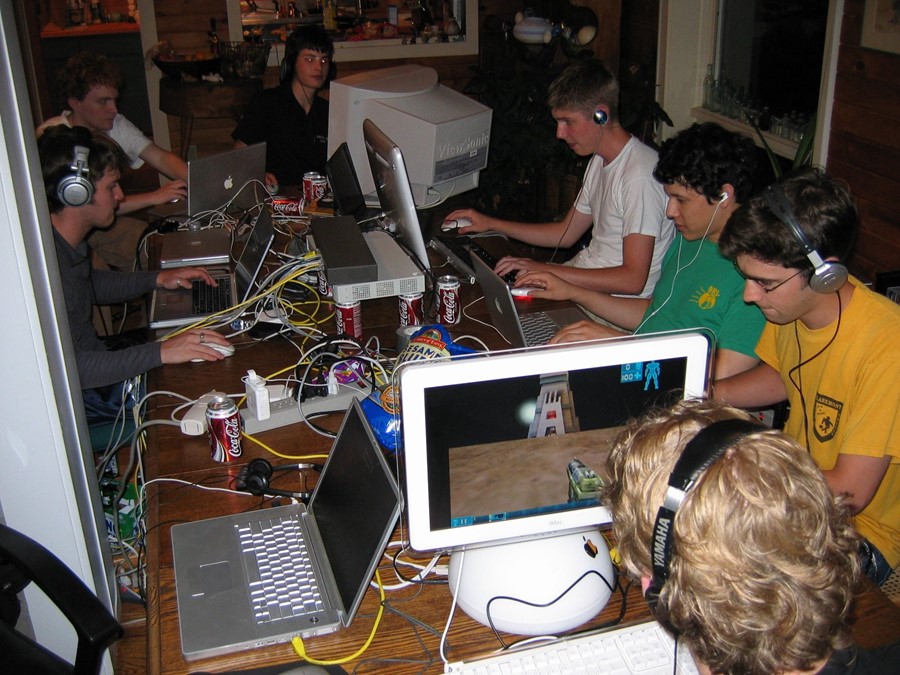
Remember the days when online gaming meant dial-up connections, frustrating lag, and impersonal interactions? Before broadband internet became the norm, a different kind of gaming experience thrived: the LAN party. These weren't just about fragging opponents; they were about building community, sharing snacks, and experiencing the thrill of face-to-face competition.
Setting up a LAN party wasn't always easy. Hauling heavy CRT monitors and desktop towers was a workout in itself. Network configuration could be a nightmare, especially when dealing with finicky drivers and IP address conflicts. And let's not forget the tangled mess of Ethernet cables snaking across the floor, a constant tripping hazard for the unwary.
This article explores the vibrant subculture of LAN parties, a phenomenon that fostered camaraderie, celebrated shared interests, and provided a unique gaming experience. We will delve into the origins, the rituals, the games, and the lasting impact of these gatherings.
LAN parties were more than just gaming events; they were social hubs where friendships were forged, skills were honed, and memories were made. They represented a golden age of gaming, a time when face-to-face interaction was just as important as virtual dominance. From the hardware headaches to the shared pizza, LAN parties created a unique culture that continues to resonate with gamers today.
The Social Glue of Shared Experiences
I'll never forget my first LAN party. A friend's older brother had organized it, promising a night of epic Quake matches and junk food galore. I lugged my hulking PC across town, anticipation building with every step. Walking into the basement felt like entering another world: the dim lighting, the glowing screens, the cacophony of gunfire and trash talk. I was immediately hooked. The thrill of seeing your opponent's reaction when you landed a perfect headshot, the shared laughter over technical glitches, the camaraderie of working together to troubleshoot network issues – it was an experience that online gaming simply couldn't replicate. These shared challenges and victories formed a unique bond, creating friendships that extended far beyond the virtual battlefield. We celebrated victories together, mourned losses together, and helped each other overcome technical difficulties. That sense of collective experience is what truly defined the LAN party culture.
What Defines a LAN Party?
At its core, a LAN party is a gathering of people who bring their computers together to play multiplayer games over a local area network (LAN). This setup allows for low-latency gameplay, which is essential for fast-paced action games. However, it's the social aspect that truly defines the experience. Unlike online gaming, LAN parties provide a physical space for interaction and collaboration. Players can communicate directly, share snacks, and celebrate victories together. The emphasis is on shared enjoyment and camaraderie rather than anonymous competition. The environment fosters a sense of community, where players can forge lasting friendships and build shared memories. Beyond the gaming itself, LAN parties often involve other social activities such as watching movies, playing board games, or simply hanging out and talking. It's a holistic social experience centered around a shared love of gaming.
History and Myth: The Genesis of LAN Parties
The history of LAN parties is intertwined with the rise of multiplayer gaming in the 1990s. As games like Doom and Quake gained popularity, gamers sought ways to play together in a more immersive and social environment. The limitations of early internet connections made LANs the ideal solution, offering low latency and reliable gameplay. Over time, LAN parties evolved from small gatherings of friends to larger, more organized events. Some even became competitive tournaments with prizes and sponsorships. Myths and legends began to circulate about epic battles, incredible feats of skill, and unforgettable moments of camaraderie. These stories helped to shape the culture of LAN parties, creating a sense of tradition and shared identity. While the internet has largely replaced LANs as the primary means of playing multiplayer games, the spirit of the LAN party lives on in smaller, more intimate gatherings. The history of these events is a testament to the enduring appeal of face-to-face gaming and the power of shared experiences.
The Hidden Secret: Community Building
The real magic of LAN parties lies not just in the gaming, but in the community that they foster. In an increasingly digital world, these events provide a rare opportunity for genuine human connection. Away from the anonymity of online interactions, players can build real relationships based on shared interests and experiences. The challenges of setting up and maintaining a LAN network often require collaboration and teamwork, further strengthening these bonds. The shared excitement of victory and the commiseration over defeat create a sense of belonging and camaraderie. It's a place where differences are set aside, and everyone is united by their love of gaming. This sense of community is what makes LAN parties so special and why they continue to hold a special place in the hearts of many gamers. It's about finding your tribe and sharing a passion with like-minded individuals.
Recommendations for Modern LAN Parties
While the scale of LAN parties may have diminished with the advent of high-speed internet, the spirit of communal gaming remains alive. Reviving this tradition can be incredibly rewarding, offering a break from the isolation of online play. Consider focusing on cooperative games that encourage teamwork and communication. Games like "Left 4 Dead 2" or "Minecraft" are excellent choices. Provide a comfortable and welcoming environment with plenty of seating, snacks, and drinks. Encourage players to bring their own peripherals and games to share. Most importantly, foster a sense of fun and inclusivity. Remember, the goal is to create a memorable social experience, not just a competitive tournament. By embracing the spirit of the original LAN parties, you can create a unique and rewarding event for yourself and your friends.
The Importance of Local Area Networks
Local Area Networks (LANs) are the backbone of LAN parties, providing the necessary infrastructure for multiplayer gaming. They offer several advantages over internet-based connections, including lower latency, higher bandwidth, and greater control over the network environment. Setting up a LAN involves connecting multiple computers together using Ethernet cables and a network switch or router. Each computer is assigned a unique IP address, allowing them to communicate with each other. While modern routers often simplify the process, troubleshooting network issues can still be a challenge, requiring a basic understanding of network protocols and configurations. However, the benefits of a LAN in terms of gameplay performance and reliability are well worth the effort. In addition, LANs provide a secure and private environment for gaming, free from the potential security risks associated with internet connections. They are an essential component of the LAN party experience, enabling seamless and immersive multiplayer gaming.
Tips for Hosting a Successful LAN Party
Hosting a LAN party can be a fun and rewarding experience, but it requires careful planning and preparation. First, choose a suitable location with enough space for everyone to set up their computers comfortably. Ensure that you have sufficient power outlets and network ports to accommodate all the participants. Provide plenty of snacks and drinks to keep everyone energized and hydrated. Test the network setup in advance to avoid any last-minute technical glitches. Consider creating a schedule of games and activities to keep things organized and engaging. Most importantly, be a gracious and attentive host, making sure that everyone feels welcome and has a good time. Remember, the goal is to create a memorable social experience, so focus on fostering a positive and inclusive atmosphere. A well-planned and executed LAN party can create lasting memories and strengthen friendships.
The Future of LAN Parties
While the traditional LAN party may have evolved in the age of high-speed internet, its spirit of communal gaming lives on. The desire for face-to-face interaction and shared experiences remains strong, and LAN parties continue to offer a unique alternative to online play. Modern LAN parties often incorporate elements of both online and offline gaming, with players using online services for matchmaking and communication while still enjoying the benefits of a local network. The rise of esports and competitive gaming has also contributed to the resurgence of LAN parties, as professional players often prefer the low-latency and controlled environment of a LAN for tournaments and competitions. As technology continues to evolve, LAN parties will likely adapt and evolve as well, finding new ways to bring gamers together in a social and engaging environment. The future of LAN parties is bright, and their legacy as a cornerstone of gaming culture will continue to endure.
Fun Facts About LAN Party Culture
Did you know that some of the largest LAN parties in the world can attract thousands of participants? These massive events often feature professional gamers, vendors, and sponsors, creating a vibrant and bustling atmosphere. The origin of the term "LAN party" is somewhat debated, but it is generally believed to have emerged in the 1990s as a way to describe gatherings of gamers playing over local area networks. One of the most popular games at LAN parties is Counter-Strike, a first-person shooter that has been a staple of the scene for over two decades. LAN parties have also been featured in popular culture, including movies, TV shows, and video games, further solidifying their place in the gaming landscape. From humble beginnings in basements and garages, LAN parties have evolved into a global phenomenon, bringing gamers together from all walks of life to celebrate their shared passion.
How to Plan Your Own LAN Party
Planning a successful LAN party requires a combination of technical skills, organizational abilities, and a knack for creating a fun and welcoming atmosphere. Start by choosing a suitable location with enough space, power, and network connectivity. Create a guest list and send out invitations well in advance, specifying the date, time, and location of the event. Plan the menu and gather the necessary supplies, including snacks, drinks, and paper plates. Prepare the network infrastructure by setting up a router or switch and ensuring that all the computers can connect to the LAN. Choose a selection of games that are popular among your guests and make sure that everyone has them installed and configured. On the day of the party, greet your guests warmly and help them set up their computers. Provide assistance with any technical issues and encourage everyone to mingle and socialize. Most importantly, relax and have fun! A well-planned and executed LAN party can be a rewarding and memorable experience for everyone involved.
What If LAN Parties Never Existed?
It's intriguing to imagine a world where LAN parties never took hold. The absence of these social gaming gatherings would have undoubtedly shaped the landscape of online gaming and community building. The development of online multiplayer games might have followed a different trajectory, potentially focusing more on individual experiences rather than cooperative or competitive team play. The sense of camaraderie and shared memories that defined the LAN party culture would be largely absent, replaced by a more impersonal and anonymous online environment. The gaming community might be less connected and less cohesive, lacking the strong bonds forged through face-to-face interactions. The absence of LAN parties would also have deprived many gamers of the opportunity to develop technical skills and problem-solving abilities, as the challenges of setting up and maintaining a local network often required creativity and resourcefulness. In short, the world of gaming would be a significantly different place without the influence of LAN parties.
Listicle: Essential Elements of a Great LAN Party
Here's a quick list of things that will elevate your LAN party from good to legendary:
1.Reliable Network: A stable and fast network is crucial for a smooth gaming experience. Invest in a quality router or switch and ensure that all the cables are properly connected.
2.Comfortable Seating: Provide comfortable chairs or seating arrangements for all the participants. Gaming for hours can be tiring, so make sure everyone is comfortable.
3.Plenty of Snacks and Drinks: Keep your guests fueled and hydrated with a variety of snacks and drinks. Pizza, energy drinks, and chips are always popular choices.
4.Variety of Games: Offer a diverse selection of games to cater to different tastes and preferences. Cooperative, competitive, and casual games are all good options.
5.Backup Equipment: Have extra cables, power strips, and network adapters on hand in case of emergencies.
6.Designated Chill-Out Zone: Create a separate area where people can relax, chat, or take a break from gaming.
7.House Rules: Establish clear guidelines for behavior and etiquette to ensure a positive and respectful environment.
8.Good Music: Set the mood with a playlist of upbeat and energetic music.
9.Tournament Bracket: Organize a tournament or competition to add some excitement and friendly rivalry to the event.
10.Memorable Moments: Capture the fun and laughter by taking photos and videos throughout the party.
Question and Answer Section of LAN Party Culture: The Social Gaming Phenomenon That Built Communities
Q: What is the primary benefit of playing games over a LAN instead of the internet?
A: Lower latency. LAN connections offer significantly lower ping times, resulting in smoother and more responsive gameplay. This is especially crucial for fast-paced action games.
Q: What are some essential items to bring to a LAN party?
A: Your computer, monitor, keyboard, mouse, headset, power cables, Ethernet cable, and any games you want to play. Don't forget personal items like a toothbrush and a change of clothes if you're staying overnight!
Q: What's the best way to troubleshoot network problems at a LAN party?
A: Start by checking all the cables and connections. Make sure that your computer is properly configured to obtain an IP address automatically. If you're still having trouble, consult with someone who has experience with networking.
Q: Are LAN parties still relevant in the age of online gaming?
A: Absolutely! While online gaming is convenient, LAN parties offer a unique social experience that can't be replicated. They provide an opportunity to connect with friends in person, build lasting relationships, and enjoy the thrill of face-to-face competition.
Conclusion of LAN Party Culture: The Social Gaming Phenomenon That Built Communities
LAN parties, while perhaps less prevalent than in their heyday, remain a significant part of gaming history. They represent a time when community, shared experiences, and technical ingenuity were as important as the games themselves. The memories created, the friendships forged, and the skills learned during those gatherings continue to resonate with gamers today, reminding us of the power of human connection in the digital age. From humble beginnings to organized events, LAN parties have built strong communities.
Post a Comment