Gaming Stream Communities: Parasocial Relationships and Genuine Connection
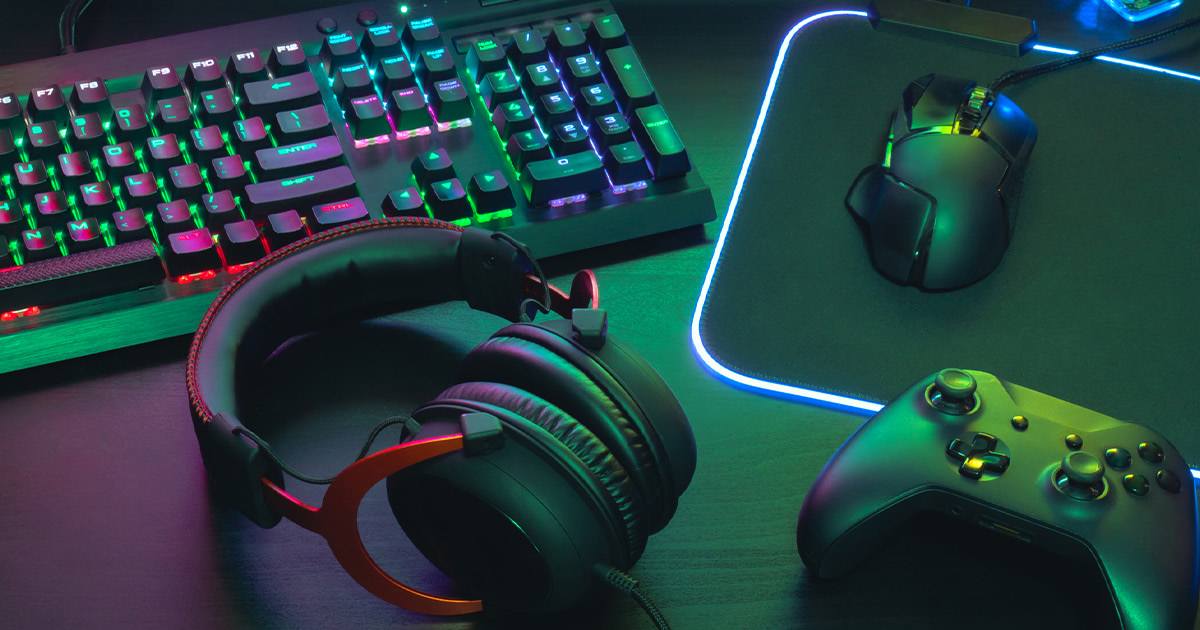
Ever feel like you trulyknowyour favorite streamer? Like you're part of their inner circle, sharing laughs, anxieties, and victories? You're not alone. The world of gaming streams thrives on connection, but where does genuine community end and something a little more…complicated…begin?
Building vibrant, engaging communities around gaming streams is a challenging task. It's not always easy to find the right balance between accessibility and maintaining a safe and respectful environment. Misunderstandings can arise, boundaries can blur, and the very nature of online interaction can sometimes lead to feelings of isolation instead of belonging.
This article aims to explore the fascinating, and sometimes complex, dynamic between streamers and their viewers. We'll dive into the concept of "parasocial relationships" – one-sided connections where fans feel a deep bond with online personalities – and how they intertwine with the authentic camaraderie that defines healthy gaming communities. We’ll discuss strategies for fostering genuine connection, setting healthy boundaries, and ensuring a positive experience for everyone involved in the stream.
We've examined the nuances of parasocial relationships within gaming stream communities, emphasizing the distinction between these one-sided connections and genuine community bonds. We've also explored strategies to foster healthy interactions and establish clear boundaries. Key concepts include parasocial interaction, community building, streamer-viewer dynamics, online relationships, and ethical streaming practices. It's all about finding a balance between entertainment, engagement, and respect.
Personal Experience: My First Stream Crush
I remember when I first stumbled upon a small indie game streamer. He was funny, awkward, and clearly passionate about what he was doing. I started watching regularly, participating in chat, and even donating a few dollars here and there. I genuinely felt like I was getting to know him. I knew his favorite games, his anxieties about life, and even his pet peeves. Looking back, I realize I was deeply invested in a parasocial relationship. I projected a lot onto him, creating an image of him in my head that was probably far from reality. The feeling of connection was intense, but eventually, it became overwhelming. I started to feel possessive of his time and attention, and when he didn't respond to a specific comment or acknowledge my donation, I felt genuinely hurt. This experience made me realize the power these one-sided relationships can have and the importance of recognizing and managing them, both as a viewer and, even more critically, as a streamer. Streamers who encourage parasocial relationships, whether consciously or unconsciously, bear a significant ethical responsibility. They need to be mindful of the power dynamic and actively work to create a community based on respect, healthy boundaries, and realistic expectations. The community needs guidance for a healthy ecosystem between both sides of the screen. Understanding the risks associated with blurred lines in online relationships is essential for navigating the digital landscape responsibly. It also benefits the streamer as they protect themselves from stalkers and others who don't have good intentions.
What Are Gaming Stream Communities?
Gaming stream communities are online gatherings centered around a streamer, their content, and their shared interests. These communities typically exist on platforms like Twitch, You Tube Gaming, and Facebook Gaming, and involve viewers interacting with the streamer and with each other through chat, forums, social media, and other channels. A vibrant community can make or break a streamer's career. Viewers are drawn to the sense of belonging and connection they find in these groups. They can discuss gameplay strategies, share their own experiences, offer support, and even form lasting friendships. But it's not all sunshine and rainbows. The dynamics within these communities can be complex, influenced by factors such as the streamer's personality, the type of content they create, and the moderation policies in place. Cultivating a positive and inclusive environment requires conscious effort and a willingness to address potential issues like toxicity, harassment, and unhealthy attachments. It's important to remember that the streamer sets the tone for the entire community. Their words and actions have a significant impact on how viewers interact with each other. Strong leadership, clear guidelines, and active moderation are essential for creating a space where everyone feels safe, respected, and valued. Ultimately, the goal is to build a community where people can connect over their shared passion for gaming and support each other's growth and enjoyment.
History and Myth of Gaming Stream Communities
The history of gaming stream communities is relatively short but incredibly dynamic. It traces back to the early days of online gaming, where players connected through forums and online chat rooms to discuss strategies and form teams. As internet speeds increased and streaming technology became more accessible, platforms like Justin.tv (later Twitch) emerged, allowing gamers to broadcast their gameplay to a live audience. Initially, the focus was primarily on showcasing skill and providing entertainment. However, as streamers began to interact more with their viewers through chat, the concept of a "community" started to take shape. Streamers began to actively cultivate these communities, recognizing that a loyal and engaged audience was essential for long-term success. The "myth" surrounding gaming stream communities often revolves around the idea of instant fame and fortune. While it's true that some streamers have achieved incredible levels of success, the vast majority work tirelessly to build their audience and create engaging content. The reality is that building a thriving community takes time, effort, and a genuine connection with viewers. It requires consistent streaming, active engagement in chat, and a willingness to listen to feedback. It also requires a deep understanding of the platform's algorithm and a commitment to promoting the stream through social media and other channels. The perception that streaming is an easy path to success often overshadows the hard work and dedication that it truly requires.
Hidden Secrets of Gaming Stream Communities
One of the hidden secrets of successful gaming stream communities is the immense amount of behind-the-scenes work that goes into maintaining them. It's not just about playing games and chatting with viewers. Streamers often spend hours moderating chat, creating content for social media, planning future streams, and networking with other streamers. They may also have a team of moderators who assist with managing the community and enforcing the rules. Another secret is the importance of authenticity. Viewers can often spot a fake a mile away. Streamers who try to be someone they're not or who prioritize profit over genuine connection are unlikely to build a lasting community. The most successful streamers are those who are true to themselves and who genuinely care about their viewers. They are transparent about their struggles, open to feedback, and willing to engage in meaningful conversations. Furthermore, understanding the unspoken rules and dynamics of the community is crucial. Every community has its own unique culture, language, and norms. New viewers may need time to learn the ropes and understand the inside jokes. Streamers and moderators play a key role in guiding newcomers and ensuring that they feel welcome and included. Finally, the "secret sauce" often involves a combination of factors: engaging content, a charismatic streamer, a supportive community, and a bit of luck. There's no magic formula for success, but by focusing on building genuine connections and fostering a positive environment, streamers can increase their chances of creating a thriving and sustainable community.
Recommendations for Gaming Stream Communities
For streamers looking to cultivate a healthy and thriving gaming stream community, my top recommendation is to prioritize genuine connection over metrics. Don't get so caught up in follower counts, viewership numbers, and donation goals that you forget about the human element. Take the time to get to know your viewers, listen to their feedback, and engage in meaningful conversations. Create a space where people feel valued, respected, and heard. Another key recommendation is to establish clear boundaries. This is especially important for protecting your own mental health and preventing burnout. Set specific streaming schedules, designate time for personal activities, and don't feel pressured to respond to every message or request. Communicate these boundaries clearly to your community so that they understand your limitations and expectations. Encourage your moderators to enforce the rules fairly and consistently. This helps to create a safe and respectful environment for everyone. Be proactive in addressing issues like harassment, toxicity, and negativity. Don't ignore these problems or hope that they will go away on their own. Take swift and decisive action to protect your community. For viewers, it's important to be mindful of the parasocial nature of streaming. Remember that streamers are real people with their own lives and challenges. Don't make assumptions about their character or expect them to fulfill your every need. Approach your interactions with respect, empathy, and a healthy dose of skepticism. Finally, if you're struggling with feelings of loneliness, isolation, or unhealthy attachment, seek help from a mental health professional. There's nothing wrong with admitting that you need support. Taking care of your mental health is essential for navigating the complexities of the online world.
Building a Healthy Streamer-Viewer Relationship
Building a healthy streamer-viewer relationship involves establishing clear boundaries, fostering genuine connection, and maintaining a professional demeanor. Streamers should avoid sharing overly personal information that could compromise their safety or privacy. They should also be mindful of the power dynamic and avoid exploiting their viewers for financial gain or personal validation. Viewers, on the other hand, should respect the streamer's boundaries and avoid making inappropriate requests or demands. They should also be aware of the parasocial nature of streaming and avoid developing unrealistic expectations about the relationship. Communication is key to maintaining a healthy dynamic. Streamers should be transparent about their intentions and expectations, and viewers should feel comfortable expressing their concerns and feedback. Regular community events, such as Q&A sessions and contests, can help to foster a sense of connection and belonging. Ultimately, the goal is to create a relationship based on mutual respect, trust, and appreciation. Both streamers and viewers should recognize that they are contributing to a shared experience and that their actions have an impact on the community as a whole. By working together, they can create a positive and rewarding environment for everyone involved. This also includes the moderators who volunteer their time and effort in enforcing rules, banning or muting those who break those rules, and helping those who may need it. A healthy ecosystem ensures everyone involved is happy.
Tips for Navigating Parasocial Relationships
Navigating parasocial relationships can be tricky, but there are several tips that can help viewers and streamers maintain a healthy perspective. For viewers, it's important to remember that the streamer is presenting a curated version of themselves online. What you see on stream is not necessarily the whole truth. Avoid projecting your own desires, needs, and expectations onto the streamer. Recognize that they are a real person with their own flaws, challenges, and limitations. Set realistic expectations about the relationship. Don't expect the streamer to remember your name, respond to your messages, or fulfill your personal needs. Remember that their primary responsibility is to entertain and engage with their entire audience. Limit your engagement with the stream. Don't spend excessive amounts of time watching streams, participating in chat, or donating money. Take breaks to focus on your own life, relationships, and hobbies. For streamers, it's important to be mindful of the parasocial nature of streaming. Avoid encouraging viewers to develop unhealthy attachments. Set clear boundaries and communicate them to your community. Be transparent about your intentions and expectations. Don't exploit your viewers for financial gain or personal validation. Prioritize your own mental health. Streaming can be a demanding and stressful job. Take time for yourself to relax, recharge, and disconnect from the online world. Seek support from friends, family, or a mental health professional if you're struggling to cope. By following these tips, both viewers and streamers can navigate parasocial relationships in a healthy and responsible manner. If boundaries are crossed, address it with the person directly or with moderators.
The Role of Moderators in Community Management
The role of moderators in community management is crucial for maintaining a positive and inclusive environment. Moderators are responsible for enforcing the rules, addressing conflicts, and promoting respectful communication. They act as a bridge between the streamer and the viewers, ensuring that everyone feels safe and valued. Effective moderators possess a combination of skills, including communication, conflict resolution, and empathy. They are able to identify and address issues quickly and fairly, while also being sensitive to the needs of the community. They also need to know when to escalate issues to the streamer or other authorities. Moderators should be well-versed in the platform's rules and guidelines, as well as the community's specific norms and expectations. They should also be trained on how to handle sensitive issues, such as harassment, hate speech, and self-harm. Streamers should provide moderators with clear instructions and expectations, as well as ongoing support and feedback. They should also empower moderators to make decisions and take action when necessary. It's important to recognize that moderators are volunteers who are dedicating their time and effort to the community. They should be treated with respect and appreciation. Streamers should also be mindful of the moderators' mental health and well-being, as they can be exposed to toxic and stressful situations. By working together, streamers and moderators can create a community that is welcoming, supportive, and enjoyable for everyone.
Fun Facts About Gaming Stream Communities
Did you know that some gaming stream communities have their own unique languages and slang? Viewers often develop inside jokes, abbreviations, and emotes that are specific to their community. These unique linguistic features can help to foster a sense of belonging and identity. Another fun fact is that gaming stream communities often participate in charitable activities. Streamers and viewers team up to raise money for various causes, such as cancer research, disaster relief, and children's hospitals. These fundraising efforts demonstrate the power of online communities to make a positive impact on the world. It's also interesting to note that some gaming stream communities have become so large and influential that they have their own subcultures. Viewers may organize their own meetups, create fan art, and even write fan fiction based on the streamer and their content. These subcultures can provide viewers with a sense of community and belonging beyond the stream itself. Furthermore, the success of a gaming stream community often depends on the streamer's ability to create engaging and interactive content. Streamers who are able to connect with their viewers on a personal level, offer valuable insights, and provide entertaining gameplay are more likely to build a loyal and dedicated audience. Finally, it's worth mentioning that the demographics of gaming stream communities are incredibly diverse. Viewers come from all walks of life, representing different ages, genders, ethnicities, and socioeconomic backgrounds. This diversity can enrich the community and provide viewers with opportunities to connect with people from different perspectives. The wide reach is something special.
How to Build a Thriving Gaming Stream Community
Building a thriving gaming stream community requires a combination of strategy, consistency, and genuine effort. The first step is to define your niche and target audience. What type of games do you enjoy playing? What kind of viewers are you trying to attract? By focusing on a specific niche, you can attract viewers who are genuinely interested in your content. The next step is to create engaging and interactive content. Stream regularly and consistently. Interact with your viewers in chat. Ask questions, solicit feedback, and respond to comments. Create a sense of community by hosting regular events, such as Q&A sessions, contests, and giveaways. Establish clear rules and guidelines for your community. This helps to create a safe and respectful environment for everyone. Enforce the rules fairly and consistently. Promote your stream on social media and other channels. Use relevant hashtags and keywords to attract new viewers. Collaborate with other streamers to cross-promote each other's channels. Be authentic and genuine. Viewers can often spot a fake a mile away. Be yourself and let your personality shine through. Connect with your viewers on a personal level. Show them that you care about them and their opinions. Finally, be patient and persistent. Building a thriving community takes time and effort. Don't get discouraged if you don't see results overnight. Keep creating great content, engaging with your viewers, and promoting your stream. With time and dedication, you can build a community that is both rewarding and sustainable. Success comes in different forms, so be happy about the progress you are making.
What If Gaming Stream Communities Didn't Exist?
What if gaming stream communities didn't exist? The gaming landscape would be drastically different. Without these communities, the sense of connection and belonging that many gamers find online would be lost. Viewers would miss out on the opportunity to connect with like-minded individuals, share their passion for gaming, and form lasting friendships. Streamers would lack the support and encouragement that they need to create engaging content and build their careers. The gaming industry as a whole would suffer, as developers would lose a valuable platform for promoting their games and gathering feedback from players. The social aspect of gaming is integral. The collaborative environment that fosters creativity and innovation would be diminished. The sharing of tips, tricks, and strategies that enhance the gaming experience would be less widespread. The ability to learn from and connect with experienced players would be limited. The financial opportunities for gamers and content creators would be significantly reduced. Streaming has become a viable career path for many people, providing them with the opportunity to earn a living doing what they love. Without gaming stream communities, this avenue would be closed off. In short, the absence of gaming stream communities would create a more isolated, less connected, and less vibrant gaming world. They are an essential part of the modern gaming ecosystem, providing a valuable service to both viewers and streamers alike. They have also helped those with mental issues feel more connected, and therefore provide an additional positive impact.
Listicle of Gaming Stream Communities
Here's a listicle highlighting key aspects of gaming stream communities: 1.Sense of Belonging: Provides a space for gamers to connect with others who share their passion.
2.Social Interaction: Fosters friendships, discussions, and shared experiences.
3.Content Creation: Supports streamers in building their careers and creating engaging content.
4.Community Events: Organizes Q&A sessions, contests, and giveaways.
5.Feedback and Support: Allows viewers to provide feedback to streamers and offer encouragement.
6.Learning Opportunities: Provides a platform for sharing tips, tricks, and strategies.
7.Charitable Activities: Enables communities to raise money for various causes.
8.Subcultures: Creates unique languages, inside jokes, and fan art.
9.Diversity: Welcomes viewers from all walks of life.
10.Economic Opportunities: Offers streamers the chance to earn a living doing what they love.
11.Moderation: Ensures a safe and respectful environment.
12.Niche Communities: Caters to specific games and interests.
13.Emotional Support: Provides a space for viewers to share their struggles and find comfort.
14.Cultural Impact: Shapes the gaming landscape and influences popular culture.
15.Technological Advancement: Drives innovation in streaming technology and online communication. Each of these elements contributes to the overall value and importance of gaming stream communities, making them an integral part of the modern gaming experience. It is because of these communities that streaming continues to grow and evolve. This continues to enhance the experience for both viewers and streamers alike.
Question and Answer about Gaming Stream Communities
Q: What are parasocial relationships in the context of gaming streams?
A: Parasocial relationships are one-sided relationships where viewers develop a sense of intimacy and connection with streamers, even though the streamer is not aware of their existence as an individual. These relationships can be harmless, but they can also become unhealthy if viewers develop unrealistic expectations or become overly attached to the streamer.
Q: How can streamers promote healthy community dynamics?
A: Streamers can promote healthy community dynamics by setting clear boundaries, communicating expectations, enforcing rules fairly, and fostering a sense of respect and inclusivity. They can also encourage viewers to connect with each other and build friendships.
Q: What role do moderators play in managing gaming stream communities?
A: Moderators play a crucial role in managing gaming stream communities by enforcing the rules, addressing conflicts, and promoting respectful communication. They act as a bridge between the streamer and the viewers, ensuring that everyone feels safe and valued.
Q: What are some of the benefits of being part of a gaming stream community?
A: Some of the benefits of being part of a gaming stream community include a sense of belonging, social interaction, learning opportunities, emotional support, and the chance to participate in charitable activities. These communities can provide viewers with a valuable source of connection and support.
Conclusion of Gaming Stream Communities: Parasocial Relationships and Genuine Connection
Gaming stream communities are a fascinating and complex phenomenon. While the potential for parasocial relationships exists, they also offer opportunities for genuine connection, social interaction, and personal growth. By understanding the dynamics at play and taking steps to foster healthy relationships, both streamers and viewers can create communities that are both rewarding and sustainable. The key is to strike a balance between entertainment, engagement, and respect, ensuring that everyone feels valued and supported.
Post a Comment