Gaming Skill Development: Real-World Skills from Gaming Experience
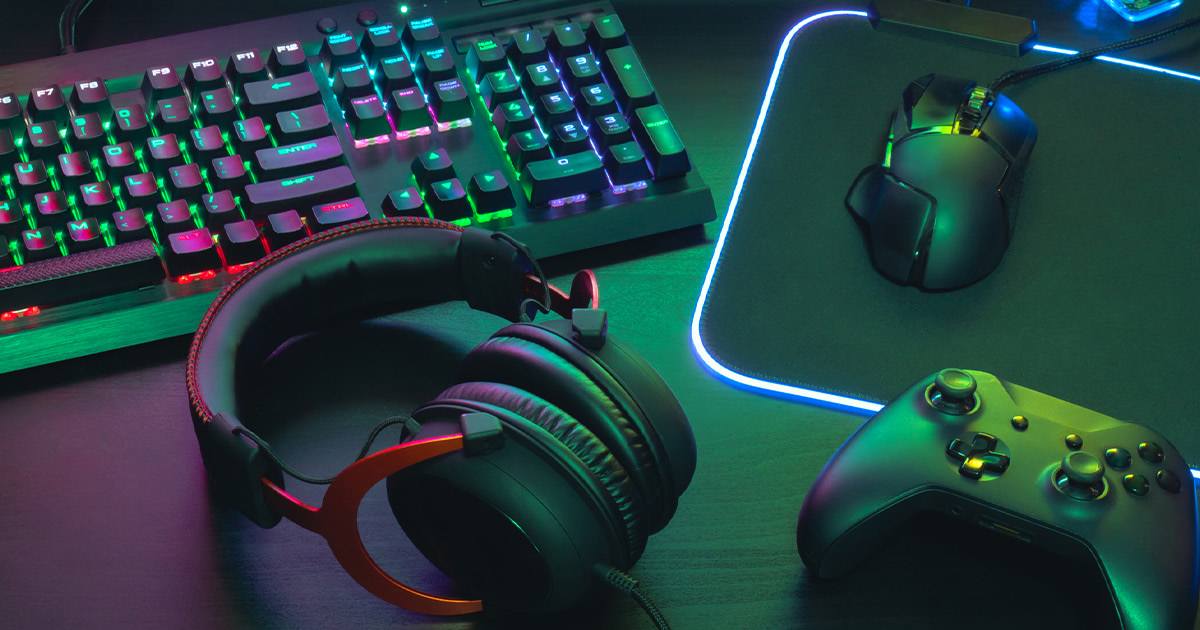
Ever been told that all that time spent glued to a screen is a waste? What if I told you that those virtual adventures, those intense battles, and those strategic simulations were actually sharpening skills you could use in the real world? It might sound crazy, but the connection between gaming and real-world abilities is stronger than you think.
Many feel like their passion for gaming is often dismissed or even criticized. The countless hours invested in mastering complex game mechanics, coordinating with teammates, and overcoming challenging obstacles are seen as unproductive at best, and detrimental at worst. This can lead to a sense of frustration, as the skills and abilities honed through gaming are often undervalued and overlooked in traditional academic or professional settings.
This article aims to explore the fascinating ways in which gaming can contribute to the development of valuable real-world skills. We'll delve into specific examples of how different game genres can enhance cognitive abilities, problem-solving skills, teamwork, and even leadership qualities. We will explore gaming's surprising connection to practical skills.
Gaming offers much more than just entertainment; it can be a powerful tool for skill development. From boosting cognitive function and problem-solving abilities to fostering teamwork and leadership, the skills acquired through gaming can be surprisingly transferable to real-world scenarios. By understanding and leveraging these connections, we can unlock the potential of gaming to enhance our personal and professional lives. Key skills include strategic thinking, resource management, quick decision-making, and enhanced communication.
Personal Experience: Leveling Up in Life
I'll never forget the time my team and I were stuck on a particularly difficult raid boss in an MMORPG. We had spent weeks perfecting our strategy, optimizing our gear, and coordinating our abilities. Despite our best efforts, we just couldn't seem to break through. One evening, after a particularly frustrating session, I realized that we were so focused on following the established strategy that we were neglecting to adapt to the boss's changing patterns. I suggested that we try a more flexible approach, assigning different roles to team members and improvising our tactics based on the boss's actions. To our surprise, it worked! We were able to overcome the challenge and finally defeat the boss. This experience taught me the importance of adaptability and creative problem-solving, skills that have proven invaluable in my career. In the world of gaming, encountering roadblocks and complex situations is a regular occurrence. Overcoming those challenges requires thinking outside the box, adapting to changing circumstances, and finding creative solutions. This process, honed through countless hours of gameplay, translates directly to real-world problem-solving. Whether it's troubleshooting a technical issue at work or finding a new approach to a stalled project, the ability to think critically and adapt quickly is a valuable asset. Similarly, gaming often involves managing resources effectively, from crafting items to allocating skill points. This skill translates well to managing budgets, prioritizing tasks, and making strategic decisions in personal and professional life. The habit of carefully considering options and allocating resources efficiently, ingrained through gaming, can contribute to increased productivity and success in various endeavors.
What is Gaming Skill Development?
Gaming skill development refers to the process of acquiring and refining abilities through playing video games that can be applied in real-world contexts. It encompasses a broad range of cognitive, social, and practical skills that are honed through various game genres. For example, strategy games can improve critical thinking and decision-making, while action games can enhance reaction time and hand-eye coordination. Team-based games can foster communication and collaboration skills, and role-playing games can develop problem-solving and leadership abilities. This type of development focuses on the transferable skills gained from gaming, not just entertainment value. It emphasizes how gaming can serve as a training ground for improving cognitive functions such as attention span, memory, and spatial reasoning. Many games require players to analyze complex situations, plan strategically, and execute their plans effectively, fostering critical thinking and problem-solving. Games often require quick reflexes and precise movements, enhancing hand-eye coordination and reaction time. Team-based games emphasize communication, coordination, and cooperation, improving teamwork skills. RPGs often involve complex decision-making and strategic planning, enhancing decision-making abilities. Gaming can also enhance leadership skills, especially in team-based games where players often need to coordinate and motivate their teammates to achieve common goals. Gaming can also develop resilience and perseverance. Players often encounter challenging obstacles and setbacks, but they learn to persevere and keep trying until they succeed.
History and Myths of Gaming Skills
The idea that gaming can be beneficial has been around for a while, but it's often met with skepticism. Historically, gaming has been viewed as a frivolous activity, a time-waster that distracts from more important pursuits. The stereotype of the isolated gamer, glued to their screen and neglecting their responsibilities, has been a persistent image in popular culture. This perception has made it difficult for people to see the potential benefits of gaming for skill development. One common myth is that gaming leads to violence and aggression. While studies have explored this connection, the consensus is that there is no direct causal link between gaming and violent behavior. Another myth is that gaming is purely escapist and has no connection to real-world skills. This ignores the fact that many games require complex problem-solving, strategic thinking, and coordination skills. Furthermore, some believe that gaming is isolating and antisocial. However, many online games foster communities where players collaborate, communicate, and build relationships. It's true that excessive gaming can have negative consequences, such as addiction, eye strain, and social isolation. However, when practiced in moderation, gaming can be a valuable tool for skill development. Over time, attitudes have shifted as educators and researchers have begun to recognize the cognitive and social benefits of gaming. Educational games are becoming increasingly popular, and game-based learning is being incorporated into curricula at all levels. There is a growing recognition of the potential for gaming to enhance learning, improve cognitive skills, and foster collaboration. As research continues to uncover the positive aspects of gaming, the myths and misconceptions surrounding it are slowly being dispelled. Gaming is not simply a form of entertainment; it can be a powerful tool for personal and professional growth.
Hidden Secrets of Gaming Skill Development
One of the often-overlooked aspects of gaming is its ability to teach resilience. Games are designed to be challenging, and players inevitably encounter setbacks and failures. They learn to cope with frustration, analyze their mistakes, and try again. This process of trial and error builds resilience, which is a valuable skill in any field. Another hidden secret of gaming is its ability to improve attention span. While it may seem counterintuitive, many games require players to focus intensely for extended periods of time. They must track multiple variables, anticipate enemy movements, and coordinate their actions with their teammates. This constant mental engagement can strengthen attention span and improve the ability to focus on complex tasks. Furthermore, gaming can foster a growth mindset. Players are constantly striving to improve their skills, overcome challenges, and reach new levels of mastery. They learn that their abilities are not fixed, but can be developed through effort and practice. This belief in the power of growth can translate to other areas of life, encouraging individuals to embrace challenges and persevere in the face of adversity. The social aspect of gaming is also often underestimated. Many online games provide opportunities for players to connect with others from around the world. They learn to communicate effectively, collaborate on projects, and build relationships with people from diverse backgrounds. These social skills are essential for success in today's globalized world. Hidden Secrets Include improved reaction time, spatial reasoning skills, and resource management skills. Strategy games require players to manage resources efficiently, make strategic decisions, and adapt to changing circumstances. This can translate into improved budgeting, planning, and resource allocation skills in real-world scenarios. In a nutshell, gaming, with its complex problem-solving, constant adaptation, and resource management, is an excellent training ground for numerous real-world skills.
Gaming Skill Development Recommendations
If you're looking to leverage gaming for skill development, it's important to be mindful of the games you choose and how you approach them. Not all games are created equal, and some are better suited for developing specific skills than others. Consider exploring different genres and finding games that challenge you in new ways. For example, if you want to improve your strategic thinking, try playing a real-time strategy game like "Star Craft" or a turn-based strategy game like Civilization.If you want to enhance your problem-solving skills, try a puzzle game like "Portal" or a simulation game like Minecraft.Team-based games like "Overwatch" or "League of Legends" can be excellent for developing communication and collaboration skills. When playing games, be intentional about your goals. Instead of simply mindlessly grinding, focus on improving specific skills. Set challenges for yourself, analyze your performance, and learn from your mistakes. Don't be afraid to experiment with different strategies and approaches. Look for opportunities to collaborate with other players. Join a guild or clan, participate in online forums, and share your knowledge with others. The social aspect of gaming can be just as valuable as the gameplay itself. It's also important to maintain a balanced approach. Avoid spending excessive amounts of time gaming, and make sure to prioritize your real-world responsibilities. Gaming should be a complement to your life, not a replacement for it. Recommendations include setting goals, playing with intention, and reflecting on experiences. Don't be afraid to step outside your comfort zone. Choose games that challenge you and force you to learn new skills. As you master one game, look for new challenges to keep pushing yourself. By being mindful and intentional, you can harness the power of gaming to develop valuable skills that will benefit you in all areas of your life.
The Cognitive Benefits in Detail
Gaming is a mental workout. It stimulates various parts of the brain, improving cognitive functions such as memory, attention, and spatial reasoning. Action games, for example, have been shown to enhance visual attention and improve the ability to track multiple objects simultaneously. Strategy games, on the other hand, require players to think critically, plan strategically, and make quick decisions under pressure. This can improve problem-solving skills and enhance the ability to adapt to changing circumstances. Puzzle games challenge players to think creatively and find innovative solutions to complex problems. This can improve problem-solving skills and enhance the ability to think outside the box. Furthermore, gaming can improve reaction time and hand-eye coordination. Many games require players to react quickly to stimuli and execute precise movements. This can improve reflexes and enhance motor skills. Some studies have shown that gaming can even improve cognitive function in older adults. By keeping the brain active and engaged, gaming can help to maintain cognitive function and prevent age-related decline. These cognitive benefits extend beyond the gaming world. The skills developed through gaming can be applied to a wide range of real-world tasks, from driving a car to solving complex problems at work. Gaming, in essence, enhances mental flexibility and resilience. The ability to quickly adapt to new situations, make informed decisions under pressure, and learn from mistakes is a key advantage in today's rapidly changing world. The cognitive training provided by gaming can help individuals develop these skills and thrive in a variety of environments. In summary, the cognitive benefits of gaming are numerous and well-documented. Gaming is not just a form of entertainment; it can be a powerful tool for improving cognitive function and enhancing real-world skills.
Gaming Skill Development Tips
To maximize the benefits of gaming for skill development, consider incorporating these tips into your gaming routine: First, choose games strategically. Consider the skills you want to develop and select games that will challenge you in those areas. Second, set goals for yourself. Don't just play mindlessly; set specific goals for each gaming session, such as improving your reaction time or mastering a new strategy. Third, actively analyze your gameplay. After each session, take some time to reflect on your performance. Identify your strengths and weaknesses, and think about how you can improve in the future. Fourth, seek out feedback from other players. Join online communities, watch gameplay videos, and ask for advice from more experienced gamers. Fifth, practice consistently. Like any skill, gaming proficiency requires consistent practice. Make time for gaming in your daily routine, but avoid overdoing it. Sixth, challenge yourself. Don't be afraid to step outside your comfort zone and try new games or strategies. Seventh, stay positive. Gaming can be frustrating at times, but it's important to stay positive and focus on your progress. If you're feeling discouraged, take a break and come back to the game later. Tips include seeking mentors, reviewing game footage, and participating in tournaments. Watching pro gamers and dissecting their strategies can offer invaluable insights into advanced gameplay techniques. Consider recording your own gameplay and reviewing it later to identify areas for improvement. This can provide a more objective perspective on your strengths and weaknesses. Participating in tournaments, even at a local level, can be a great way to test your skills and learn from other players. The competitive environment can push you to perform at your best and provide valuable feedback. Gaming should be an enjoyable and rewarding experience. By following these tips, you can maximize the benefits of gaming for skill development while also having fun.
The Social Benefits in Detail
Many online games involve teamwork and collaboration, requiring players to communicate effectively, coordinate their actions, and support each other. This can improve communication skills, enhance teamwork abilities, and foster a sense of community. Online games often bring together players from diverse backgrounds and cultures. This can provide opportunities to learn about different perspectives, build relationships with people from around the world, and develop cross-cultural communication skills. Online gaming communities can provide a sense of belonging and support. Players can connect with others who share their interests, share their experiences, and offer encouragement. This can be especially beneficial for individuals who may feel isolated or disconnected in their real lives. Gaming can also provide opportunities to develop leadership skills. In team-based games, players may need to take on leadership roles, coordinate their teammates, and make strategic decisions. This can improve leadership abilities and enhance the ability to motivate and inspire others. The social benefits of gaming extend beyond the virtual world. The skills developed through gaming can be applied to a wide range of real-world situations, from working on a team project at school to leading a team at work. Strong interpersonal skills are a valuable asset in any field. Gaming can provide a safe and supportive environment for individuals to practice and refine these skills. In the virtual world, players can experiment with different communication styles, try out different leadership approaches, and learn from their mistakes without fear of real-world consequences. The social connections forged through gaming can lead to lasting friendships and professional relationships. Many people have met their closest friends and even their romantic partners through online games. These connections can provide a sense of community, support, and belonging that is essential for well-being.
Fun Facts of Gaming Skill Development
Did you know that surgeons who play video games tend to make fewer errors and perform laparoscopic surgeries faster? It's true! The hand-eye coordination and spatial reasoning skills honed through gaming can translate to improved performance in the operating room. Another fun fact is that some companies are using video games to train their employees. Simulation games can provide a safe and realistic environment for employees to practice their skills and learn from their mistakes. This can be especially beneficial for training in high-risk industries, such as aviation and healthcare. Video games have also been used to treat a variety of medical conditions. For example, games have been used to help children with ADHD improve their attention and focus, and to help stroke patients regain motor function. Gaming can even boost creativity and problem-solving skills. Many games require players to think outside the box and find innovative solutions to complex problems. This can stimulate creativity and enhance the ability to think critically. Gamification, the application of game-design elements and game principles in non-game contexts, is also gaining popularity in education and business. Gamification can make learning more engaging, increase motivation, and improve performance. Even NASA uses games to train astronauts! That’s not all. Real-time strategy games, known for demanding rapid decision-making and resource management, have been linked to improved cognitive flexibility and multitasking abilities. This translates to individuals who can adapt more easily to changing situations and handle multiple tasks concurrently. The world of esports is another testament to the real-world application of gaming skills. Professional gamers demonstrate incredible reflexes, strategic thinking, and teamwork abilities, which can be valuable assets in various fields. Ultimately, the fun facts about gaming skill development highlight the surprising and often-overlooked ways in which gaming can benefit our lives.
How to Enhance Gaming Skill Development
To actively enhance skill development through gaming, several strategies can be employed. First, select games that align with specific skills you want to improve. For example, if you aim to enhance your strategic thinking, opt for games like "Chess," "Star Craft," or Civilization.If improving reaction time is your goal, action-packed games such as "Counter-Strike" or "Call of Duty" might be more suitable. Second, actively engage in the learning process by seeking out resources and tutorials to understand game mechanics and strategies. Online forums, video tutorials, and gaming communities can provide valuable insights and tips to help you improve. Third, practice consistently and purposefully. Dedicate regular time to gaming, focusing on specific aspects of gameplay you want to master. Avoid mindless grinding and instead, set clear goals for each session. Fourth, seek out opportunities for collaboration and competition with other players. Joining online communities, participating in tournaments, and playing with friends can provide valuable feedback and help you refine your skills. Fifth, cultivate a growth mindset by embracing challenges and viewing setbacks as learning opportunities. Don't get discouraged by failures; instead, analyze your mistakes and strive to improve. Sixth, track your progress over time to monitor your skill development. Keep a journal, record your gameplay sessions, or use tracking apps to measure your performance and identify areas where you're improving. Finally, remember that gaming is just one tool for skill development. It's essential to maintain a balanced lifestyle and prioritize real-world responsibilities. By being mindful and intentional about your gaming habits, you can harness the power of gaming to enhance your skills and achieve your goals. Consider attending gaming conventions or workshops to learn from experts and network with other players. Engaging with the gaming community can provide new perspectives and opportunities for growth.
What If Gaming Wasn't Seen As A "Waste Of Time?"
Imagine a world where gaming wasn't viewed as a frivolous activity but as a valuable tool for skill development and personal growth. What if schools and workplaces recognized the potential of gaming to enhance cognitive functions, improve problem-solving skills, and foster collaboration? What if gaming was integrated into educational curricula and training programs? In such a world, individuals would be encouraged to explore different game genres and leverage their gaming skills to pursue their passions and achieve their goals. Gaming could be used to train surgeons, pilots, engineers, and other professionals, providing them with a safe and realistic environment to practice their skills. It could also be used to help individuals with disabilities improve their cognitive and motor functions. Gaming communities could be recognized as valuable spaces for social interaction and community building, fostering a sense of belonging and support. What if universities offered scholarships for talented gamers, recognizing their skills and potential? What if companies actively sought out gamers for jobs that require strategic thinking, problem-solving, and teamwork skills? In a world where gaming was embraced as a positive force, individuals would feel empowered to pursue their passion for gaming without shame or guilt. Gaming would be seen as a legitimate form of self-expression and creativity, fostering innovation and collaboration. The world would be a more creative, innovative, and engaging place, where individuals are empowered to use their skills and talents to make a difference. Moreover, the stigma surrounding gaming would fade away, leading to a more inclusive and accepting society. Gaming could become a bridge that connects people from different backgrounds and cultures, fostering understanding and empathy.
Listicle of Gaming Skill Development
Here's a quick listicle highlighting the key real-world skills you can develop through gaming: 1. Problem-Solving: Games often present complex challenges that require strategic thinking and creative solutions.
2. Strategic Thinking: Many games, especially strategy and simulation games, demand long-term planning and resource management.
3. Teamwork and Collaboration: Multiplayer games teach you how to coordinate with others, communicate effectively, and work towards a common goal.
4. Communication Skills: Communicating clearly and concisely with teammates is essential for success in many online games.
5. Leadership Skills: Taking on leadership roles in team-based games can help you develop your leadership abilities and learn how to motivate others.
6. Time Management: Balancing in-game tasks and managing your time effectively is crucial, especially in games with deadlines or time constraints.
7. Resource Management: Many games require you to manage resources such as money, materials, and energy effectively.
8. Adaptability: Games often throw unexpected challenges your way, requiring you to adapt quickly and adjust your strategies.
9. Critical Thinking: Analyzing game situations, evaluating options, and making informed decisions are essential for success.
10. Hand-Eye Coordination: Action games and sports games can improve your reflexes and hand-eye coordination.
11. Resilience: Games often involve setbacks and failures, teaching you how to persevere and learn from your mistakes.
12. Decision-Making: Making quick and informed decisions under pressure is a key skill in many games.
13. Spatial Reasoning: Games that involve navigating virtual environments can improve your spatial reasoning skills.
14. Attention to Detail: Paying attention to small details can make a big difference in many games.
15. Creativity: Some games encourage creativity and experimentation, allowing you to express yourself and find innovative solutions.
Question and Answer
Here are some common questions and answers about gaming skill development:
Question 1: Can video games really improve my real-world skills?
Answer: Yes, absolutely! Many games require strategic thinking, problem-solving, teamwork, and communication skills, all of which are transferable to real-world scenarios.
Question 2: What types of games are best for skill development?
Answer: It depends on the skills you want to improve. Strategy games are great for critical thinking, action games can enhance reaction time, and team-based games foster collaboration and communication.
Question 3: How can I make sure I'm actually developing skills while gaming?
Answer: Be intentional about your gaming. Set goals, analyze your gameplay, seek feedback from others, and challenge yourself to improve.
Question 4: Is it possible to overdo it with gaming and have it negatively impact my life?
Answer: Yes, moderation is key. Avoid spending excessive amounts of time gaming and make sure to prioritize your real-world responsibilities. Balance is essential for reaping the benefits of gaming without sacrificing other important aspects of your life.
Conclusion of Gaming Skill Development: Real-World Skills from Gaming Experience
Gaming is not just a pastime; it's a playground for developing valuable skills that can enhance your personal and professional life. By understanding the connections between gaming and real-world abilities, you can unlock the potential of gaming to improve your cognitive functions, problem-solving skills, teamwork, and leadership qualities. So, the next time someone questions your gaming habits, you can confidently explain how those virtual adventures are actually preparing you for real-world success. Embrace the power of gaming and level up your life!
Post a Comment