Gaming Moderation Success: Learning Healthy Gaming Limits
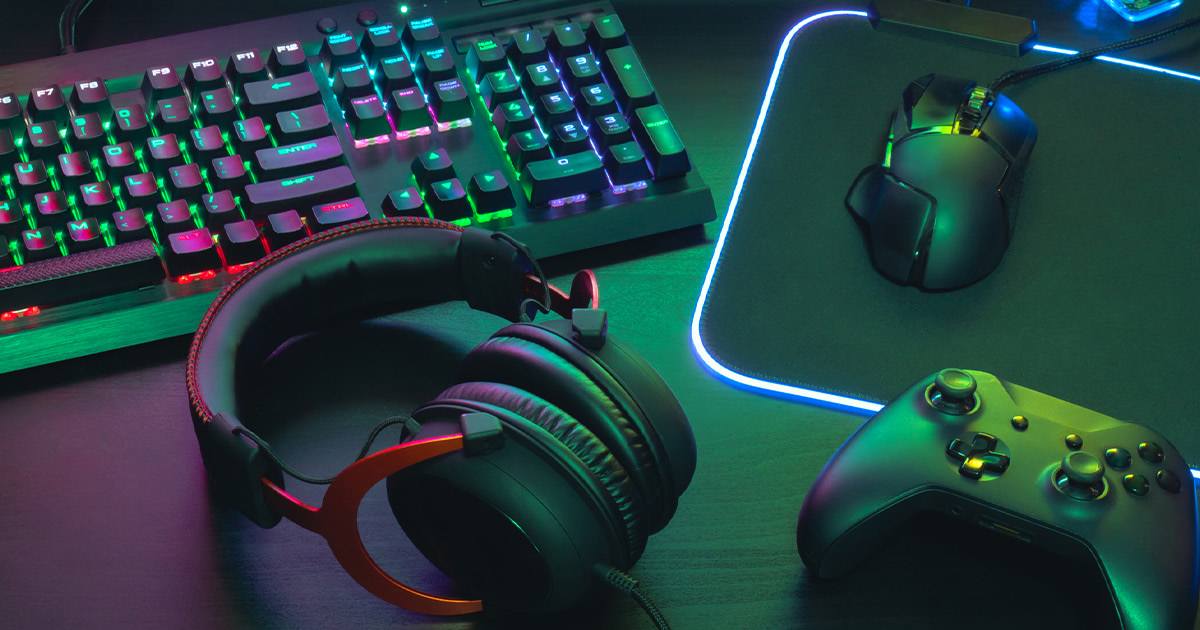
Ever feel like you're losing hours, even days, to the captivating world of video games? It's easy to get swept away in the immersive experiences, the challenging quests, and the camaraderie of online communities. But what happens when those digital adventures start to impact your real-world responsibilities and relationships?
Many gamers struggle with finding a balance. The constant pull to level up, complete missions, or simply unwind after a long day can lead to neglected chores, missed deadlines, and strained connections with loved ones. It's a common feeling to want to enjoy gaming without letting it take over everything else.
This article aims to provide practical strategies and insights for achieving gaming moderation and establishing healthy gaming limits. We'll explore how to enjoy gaming responsibly, prioritize real-life commitments, and maintain a balanced lifestyle where gaming enhances, rather than detracts from, overall well-being.
Finding success in gaming moderation requires conscious effort and a personalized approach. It's about setting realistic limits, understanding your own gaming habits, and developing strategies to manage your time effectively. Prioritizing responsibilities, incorporating breaks, and seeking support when needed are crucial steps toward achieving a healthy relationship with gaming. We'll cover aspects like time management, healthy habits, and the importance of mindful gaming to support a balanced life that includes gaming without it consuming everything.
My Personal Journey with Gaming Limits
I remember a time when I was completely absorbed in a massively multiplayer online role-playing game (MMORPG). It was during college, and I convinced myself that I was "de-stressing" after classes. In reality, I was spending countless hours exploring virtual worlds, neglecting my studies, and even skipping social events. It started as a fun escape, but it quickly became a habit that was difficult to break. My grades started to slip, and I noticed that I was becoming more irritable and withdrawn. I even started experiencing physical symptoms like eye strain and headaches.
The turning point came when a close friend expressed concern about my well-being. Their words were a wake-up call. I realized that my gaming habit had spiraled out of control and was negatively impacting my life. I decided to take proactive steps to regain control. I started by setting daily time limits for gaming and strictly adhering to them. I also made a conscious effort to schedule other activities, such as studying, exercising, and spending time with friends and family. Initially, it was challenging to resist the urge to play for longer periods. However, with consistent effort and the support of my friends, I gradually regained balance. Now, I can enjoy gaming without letting it dominate my life. The key was recognizing the issue and actively taking steps to address it.
What is Gaming Moderation Success?
Gaming moderation success is all about finding a healthy and sustainable balance between enjoying video games and fulfilling other life responsibilities. It's not about completely eliminating gaming from your life; rather, it's about controlling how much time and energy you dedicate to it, ensuring that it doesn't negatively impact your physical, mental, and social well-being. This involves setting realistic boundaries for game time, prioritizing essential tasks like work, studies, and personal relationships, and being mindful of the potential downsides of excessive gaming.
Achieving success in gaming moderation requires self-awareness and a willingness to make changes. It involves understanding your own gaming triggers and tendencies, developing strategies to manage your time effectively, and seeking support from friends, family, or professionals if needed. Ultimately, gaming moderation success is about creating a balanced and fulfilling lifestyle where gaming enhances, rather than detracts from, your overall well-being. It's about enjoying the benefits of gaming while avoiding its potential pitfalls.
History and Myths of Gaming Moderation
The concept of gaming moderation is relatively new, emerging alongside the rise of widespread internet access and the increasing sophistication of video games. In the early days of gaming, concerns about addiction were less prominent, as games were simpler and less immersive. However, as technology advanced and games became more engaging, discussions about the potential negative impacts of excessive gaming began to surface.
One common myth surrounding gaming moderation is that it's only necessary for individuals who are "addicted" to games. In reality, gaming moderation can benefit anyone who spends a significant amount of time playing video games, regardless of whether they meet the criteria for addiction. Another myth is that setting gaming limits is a sign of weakness or a lack of self-control. However, proactively managing your gaming habits is a sign of responsibility and self-awareness. It demonstrates a commitment to prioritizing your well-being and maintaining a balanced lifestyle. The history of gaming moderation is still being written, but the growing awareness of its importance is a positive step towards promoting responsible gaming habits.
Hidden Secrets of Gaming Moderation
One of the best-kept secrets of successful gaming moderation is the importance of self-compassion. It's easy to feel guilty or ashamed when you slip up and exceed your gaming limits. However, beating yourself up over mistakes is counterproductive. Instead, practice self-compassion by acknowledging your slip-up, learning from it, and moving forward with renewed determination. Another hidden secret is the power of finding alternative hobbies and activities that you enjoy. When you have a variety of fulfilling activities in your life, the temptation to overindulge in gaming diminishes.
Furthermore, creating a supportive environment can significantly impact your ability to moderate your gaming habits. Surround yourself with friends and family who encourage your efforts to balance gaming with other responsibilities. Don't be afraid to ask for help when you're struggling. Ultimately, the hidden secrets of gaming moderation revolve around cultivating self-awareness, self-compassion, and a supportive environment. These elements can make the journey towards a healthy relationship with gaming more manageable and sustainable.
Recommendations for Gaming Moderation
If you're looking to improve your gaming moderation, start by tracking your gaming habits. Use a journal, app, or spreadsheet to record how much time you spend gaming each day and what types of games you play. This will help you identify patterns and triggers that lead to excessive gaming. Next, set realistic gaming limits. Be honest with yourself about how much time you can realistically dedicate to gaming without neglecting other responsibilities. Communicate your limits to your friends and family so they can support your efforts.
Consider scheduling specific gaming times during the week and sticking to those times as much as possible. In addition to setting time limits, prioritize other activities that you enjoy. Make time for hobbies, exercise, social events, and spending time with loved ones. Finally, be patient and persistent. It takes time and effort to change your gaming habits. Don't get discouraged if you slip up occasionally. Just learn from your mistakes and keep moving forward. With consistent effort, you can achieve a healthy and balanced relationship with gaming.
Understanding Your Gaming Habits
Delving deeper into understanding your gaming habits involves not only tracking your playtime but also analyzing the emotional and psychological factors that drive your gaming behavior. Ask yourself questions like: "What triggers my desire to game?", "What emotions am I trying to escape or enhance through gaming?", and "What needs are being met by gaming that are not being met in my real life?" The answers to these questions can provide valuable insights into your relationship with gaming and help you identify areas where you may need to make adjustments.
For example, you may discover that you tend to game excessively when you're feeling stressed, bored, or lonely. Once you identify these triggers, you can develop alternative coping mechanisms and strategies for addressing the underlying issues. If stress is a trigger, consider practicing relaxation techniques like meditation or yoga. If boredom is the culprit, explore new hobbies or activities that you find engaging. And if loneliness is driving your gaming, make an effort to connect with friends and family in real life or join a social group that aligns with your interests. By understanding the root causes of your gaming behavior, you can develop more effective strategies for moderating your gaming and achieving a healthier balance in your life.
Practical Tips for Gaming Moderation
One of the most effective tips for gaming moderation is to set clear boundaries between gaming time and other activities. Designate specific times for gaming and stick to those times as much as possible. Avoid gaming when you have important tasks to complete or when you should be spending time with loved ones. Another helpful tip is to create a gaming-free zone in your home. This could be your bedroom, office, or any other space where you want to focus on non-gaming activities.
When you're gaming, take frequent breaks to stretch, move around, and rest your eyes. Avoid gaming for long periods without interruption, as this can lead to fatigue, eye strain, and other health problems. Consider using a timer or alarm to remind you to take breaks. It's also important to be mindful of your posture while gaming. Sit up straight, support your back, and adjust your chair and monitor to ensure proper ergonomics. Finally, avoid gaming before bed, as the blue light emitted by screens can interfere with sleep. By following these practical tips, you can significantly improve your gaming moderation and maintain a healthy lifestyle.
The Importance of Prioritization
Prioritization is a cornerstone of successful gaming moderation. It involves identifying your most important tasks and responsibilities and ensuring that they take precedence over gaming. This requires careful planning and time management. Start by creating a daily or weekly schedule that includes time for work, studies, chores, social activities, and other essential tasks. Allocate specific time slots for gaming, ensuring that they don't conflict with your other commitments. Be realistic about how much time you can realistically dedicate to gaming without neglecting your responsibilities.
When faced with a choice between gaming and another task, ask yourself which activity is more important and will contribute more to your overall well-being. If you have a deadline to meet or an important appointment to attend, prioritize those tasks over gaming. It can be helpful to use a planner, calendar, or to-do list to keep track of your priorities and deadlines. Regularly review your schedule and make adjustments as needed to ensure that you're staying on track. By prioritizing your responsibilities and managing your time effectively, you can achieve a healthy balance between gaming and other aspects of your life.
Fun Facts About Gaming Moderation
Did you know that some studies have shown that moderate gaming can actually improve cognitive skills such as problem-solving, spatial reasoning, and reaction time? However, it's important to remember that these benefits are only realized when gaming is done in moderation. Excessive gaming can have the opposite effect, leading to cognitive decline and other negative consequences. Another fun fact is that many professional gamers have strict training regimens that include time management strategies and mental health practices to prevent burnout.
Even professional gamers recognize the importance of moderation and balance in their lives. Finally, there are a growing number of apps and tools available to help gamers track their playtime and set limits. These tools can provide valuable insights into your gaming habits and help you stay on track with your moderation goals. So, while gaming can be a fun and beneficial activity, it's important to remember that moderation is key to reaping its rewards without experiencing its drawbacks. These fun facts highlight the importance of approaching gaming with a mindful and balanced perspective.
How to Achieve Gaming Moderation Success
Achieving gaming moderation success is a journey that requires self-awareness, planning, and consistent effort. Start by assessing your current gaming habits and identifying areas where you need to make changes. Set realistic goals for reducing your gaming time and increasing your engagement in other activities. Create a schedule that includes time for work, studies, chores, social activities, and gaming. Stick to your schedule as much as possible, but be flexible and willing to make adjustments as needed.
Find alternative hobbies and activities that you enjoy and that can provide a sense of fulfillment and accomplishment. Connect with friends and family in real life and nurture your relationships. Seek support from others who are also working on their gaming moderation. Be patient and persistent, and don't get discouraged if you slip up occasionally. Learn from your mistakes and keep moving forward. Celebrate your successes along the way to stay motivated. And remember that achieving gaming moderation success is not about completely eliminating gaming from your life; it's about creating a healthy and balanced relationship with gaming that enhances your overall well-being.
What If Gaming Moderation Fails?
If gaming moderation efforts consistently fail, it's crucial to explore the underlying reasons and seek professional help if needed. Persistent failure to moderate gaming despite genuine attempts may indicate a more serious issue, such as gaming disorder or addiction. Gaming disorder is characterized by a preoccupation with gaming, loss of control over gaming behavior, and continued gaming despite negative consequences.
If you suspect that you may have gaming disorder, it's important to consult with a mental health professional who specializes in addiction. They can provide a comprehensive assessment and recommend appropriate treatment options, such as therapy, support groups, or medication. Even if you don't meet the criteria for gaming disorder, seeking professional help can be beneficial if you're struggling to moderate your gaming habits and it's negatively impacting your life. A therapist can help you identify the underlying causes of your excessive gaming and develop strategies for managing your impulses and achieving a healthier balance. Remember, seeking help is a sign of strength, not weakness, and it's the first step towards regaining control of your life.
Listicle: Top 5 Strategies for Gaming Moderation
1.Set Realistic Time Limits: Determine how much time you can realistically dedicate to gaming each day or week without neglecting other responsibilities and stick to those limits.
2.Prioritize Other Activities: Make time for hobbies, exercise, social events, and spending time with loved ones to create a balanced lifestyle.
3.Identify Your Triggers: Understand what situations or emotions lead you to game excessively and develop alternative coping mechanisms.
4.Create a Gaming-Free Zone: Designate a specific area in your home where you avoid gaming to promote focus and relaxation.
5.Seek Support: Connect with friends, family, or a therapist who can provide encouragement and guidance as you work on your gaming moderation.
These five strategies provide a solid foundation for achieving gaming moderation success. Remember to tailor these strategies to your individual needs and preferences and to be patient and persistent as you work towards a healthier relationship with gaming.
Question and Answer Section
Q: How do I know if I need to moderate my gaming?
A: If gaming is interfering with your work, studies, relationships, or physical and mental health, it's likely time to moderate your gaming habits.
Q: What are some signs of excessive gaming?
A: Signs include neglecting responsibilities, feeling anxious or irritable when not gaming, lying about gaming habits, and experiencing physical symptoms like eye strain or fatigue.
Q: How can I set realistic gaming limits?
A: Start by tracking your current gaming habits and identifying how much time you're currently spending on gaming. Then, gradually reduce your gaming time while prioritizing other activities.
Q: What if I slip up and exceed my gaming limits?
A: Don't get discouraged. Acknowledge your slip-up, learn from it, and get back on track with your moderation goals. Be kind to yourself and remember that progress takes time.
Conclusion of Gaming Moderation Success
Achieving success in gaming moderation is a journey that requires commitment, self-awareness, and a willingness to make changes. By setting realistic limits, prioritizing other activities, understanding your triggers, and seeking support when needed, you can create a healthy and balanced relationship with gaming. Remember that gaming should be a source of enjoyment and relaxation, not a source of stress or conflict. By taking proactive steps to moderate your gaming habits, you can enjoy the benefits of gaming while maintaining a fulfilling and balanced lifestyle.
Post a Comment