Gaming Military Stories: Veterans and Service Members in Gaming
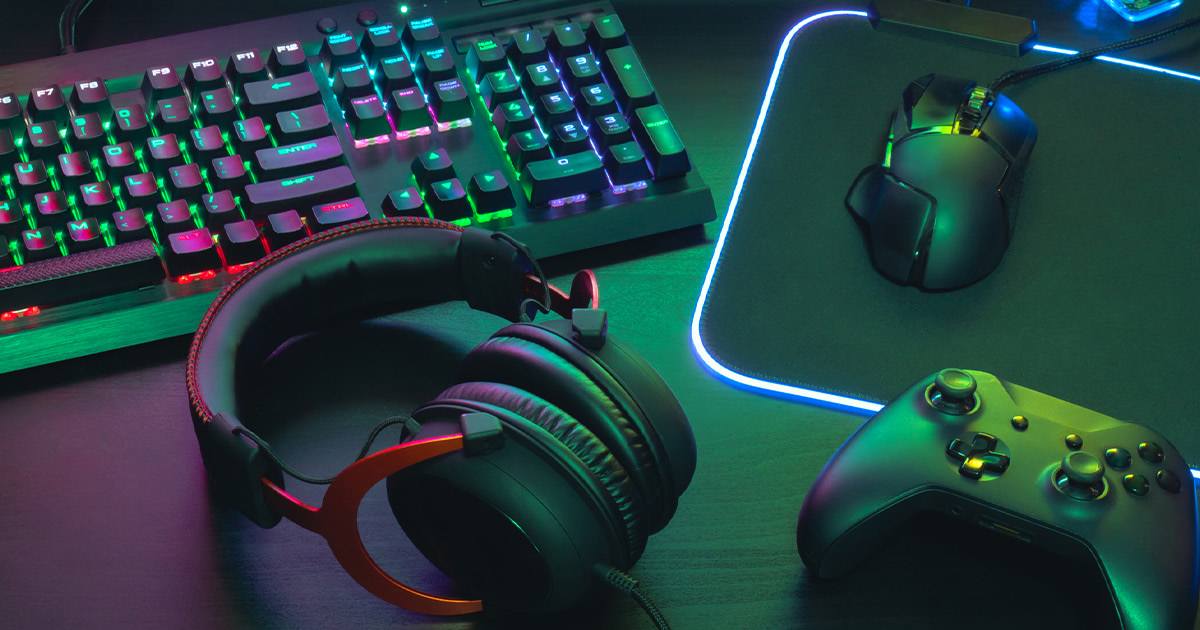
Have you ever stopped to think about the stories behind the screen names in your favorite military-themed video games? Beyond the pixels and polygons, there's a growing community of veterans and active-duty service members finding camaraderie, therapy, and a platform to share their experiences within the gaming world. It's more than just playing a game; it's about connecting with others who understand.
Often, individuals who have served or are currently serving face unique challenges in civilian life. Finding a sense of belonging, coping with PTSD, or simply readjusting to a different pace can be incredibly difficult. Existing resources, while helpful, may not always resonate with younger generations who are digitally native.
This article aims to explore the intersection of gaming and military service, highlighting how video games provide a unique outlet for veterans and active-duty personnel. We'll delve into the ways gaming communities offer support, the types of stories being shared, and the positive impact these virtual spaces can have on mental well-being.
In essence, we will discuss how gaming provides veterans and active service members with communities of support, narrative platforms, and mental well-being benefits. We'll also explore the narratives they share and the historical context of military themes in games, offering tips and fun facts along the way. Key areas include community, mental health, storytelling, and the evolution of military-themed games.
My Personal Connection to Gaming Military Stories
My own journey with military-themed games began with a simple need for escape. After a particularly rough patch in adjusting back to civilian life after my time in the service, I found myself increasingly isolated. Traditional therapy felt… sterile, somehow disconnected from the experiences that were still so vivid in my mind. Then, a friend suggested I try a co-op military simulation game. At first, I was hesitant. Was I just reliving the trauma? But something shifted when I started coordinating strategies with my new teammates. There was a shared understanding, a non-verbal shorthand that reminded me of my unit. We weren't just playing a game; we were working together, relying on each other, even joking around like we used to. This gaming group became a crucial part of my recovery. It wasn't a replacement for therapy, but it was a powerful supplement, a place where I could feel understood and valued. The shared language, the camaraderie, and the ability to process experiences in a low-stakes environment were invaluable. It highlighted the potential for gaming to be more than just entertainment, but a genuine tool for connection and healing for veterans and service members.
What Are Gaming Military Stories?
Gaming military stories encompass a diverse range of narratives, experiences, and interactions shared within the gaming community by veterans, active-duty service members, and their families. These stories can manifest in various forms, from casual conversations during gameplay to meticulously crafted machinima or streamed accounts of real-life experiences translated into virtual scenarios. They often touch upon themes of camaraderie, sacrifice, loss, resilience, and the complex realities of military life. Gaming becomes a powerful medium for these individuals to process their experiences, connect with others who understand their unique perspectives, and find a sense of belonging outside the traditional military structure. It's about leveraging the interactive nature of video games to not only entertain but also to educate, heal, and foster empathy. The stories shared might be about the humorous mishaps of boot camp, the weight of responsibility in combat, or the challenges of transitioning back to civilian life, all filtered through the lens of gaming.
History and Myth of Gaming Military Stories
The fascination with military themes in gaming stretches back to the earliest days of the medium. Games like "Tank" and "Combat" on the Atari 2600 introduced players to simulated warfare, albeit in a rudimentary form. As technology advanced, so did the complexity and realism of military-themed games. Titles like "Wolfenstein 3D" and "Doom" offered fictionalized versions of war, while "Medal of Honor" and "Call of Duty" began to explore historical conflicts with greater attention to detail. The myth surrounding these games often revolves around the idea of them being purely entertainment or even glorifying violence. However, the reality is far more nuanced. For veterans and service members, these games can serve as a form of escapism, a way to process trauma, or even a training tool for cognitive skills. The history of military themes in gaming reflects our enduring interest in conflict and heroism, while the myths surrounding them often fail to capture the full spectrum of experiences and benefits they offer to the military community.
Hidden Secrets of Gaming Military Stories
One of the hidden secrets of gaming military stories lies in the power of anonymity and community support. Unlike traditional forms of therapy or support groups, gaming offers a level of anonymity that can be incredibly liberating. Veterans and service members can choose to share as much or as little about their real-life identities as they feel comfortable with, allowing them to open up more freely about their experiences without fear of judgment or stigma. The online communities that form around these games often provide a built-in support network, where individuals can connect with others who understand their struggles and offer encouragement and advice. This sense of camaraderie can be particularly valuable for those who are struggling with feelings of isolation or loneliness. Furthermore, the shared experience of playing a game together can create a bond that transcends geographical boundaries and personal differences, fostering a sense of belonging that can be life-changing.
Recommendations for Engaging with Gaming Military Stories
If you're interested in learning more about gaming military stories, or if you're a veteran or service member looking for a community to connect with, there are several avenues you can explore. Firstly, consider checking out online forums and communities dedicated to military-themed games. These platforms often host discussions about real-life experiences, offer support and resources, and provide opportunities to connect with other veterans and service members. Secondly, look for streamers and content creators who are veterans or active-duty personnel. Many of these individuals share their stories and perspectives through their gameplay, offering a unique and authentic glimpse into the world of military gaming. Finally, be mindful of the language you use and the assumptions you make when interacting with veterans and service members in gaming communities. Approach these interactions with empathy, respect, and a genuine desire to learn and understand their experiences.
Exploring Specific Games and Communities
Several games have become particularly popular within the veteran and service member community. Games like "Arma 3," known for its realistic military simulations, provide a platform for coordinated teamwork and strategic thinking. "Call of Duty" offers a more fast-paced, action-oriented experience, while "Squad" emphasizes communication and squad-based tactics. Beyond the games themselves, the communities that form around them are equally important. These communities often host events, organize charity streams, and provide a safe and supportive environment for veterans and service members to connect and share their stories. Online platforms like Discord and Reddit are also valuable resources for finding these communities and engaging in discussions about military gaming.
Tips for Sharing and Listening to Gaming Military Stories
Sharing personal experiences, especially those related to military service, can be challenging. If you're a veteran or service member looking to share your story through gaming, start by finding a community where you feel safe and supported. Consider starting small, perhaps by sharing anecdotes or observations during gameplay, and gradually building up to more personal and in-depth stories. Remember that you're in control of what you share and how you share it. If you're listening to someone else's story, practice active listening skills. Pay attention to what they're saying, ask clarifying questions, and avoid interrupting or offering unsolicited advice. Show empathy and respect for their experiences, even if you don't fully understand them. Creating a safe and supportive environment is essential for fostering open and honest communication within the gaming community.
The Importance of Mental Health Support
While gaming can provide a valuable outlet for veterans and service members, it's important to remember that it's not a substitute for professional mental health care. If you're struggling with PTSD, anxiety, depression, or other mental health issues, seek help from a qualified therapist or counselor. Many organizations offer specialized services for veterans and military personnel, including online therapy options that can be accessed from anywhere in the world. Furthermore, be mindful of the potential triggers that military-themed games can present. If you find that certain games or scenarios are causing you distress, consider taking a break or exploring alternative games that are less likely to trigger negative emotions. Remember that taking care of your mental health is paramount, and there's no shame in seeking help when you need it.
Fun Facts About Gaming and the Military
Did you know that the U.S. military has used video games for training purposes for decades? Games like "America's Army" were originally developed as recruitment tools but have since evolved into sophisticated training simulators. The military also utilizes commercial games like "Virtual Battlespace" to create realistic combat scenarios for soldiers to practice their skills. Beyond training, the military also recognizes the potential of gaming to improve cognitive function and enhance decision-making abilities. Studies have shown that playing video games can improve reaction time, spatial reasoning, and problem-solving skills, all of which are valuable assets in a military context. Furthermore, the military esports scene is growing rapidly, with teams of service members competing in various gaming tournaments around the world. These competitions provide a platform for camaraderie, skill development, and friendly rivalry within the military community.
How to Get Involved in Gaming Military Stories
Getting involved in gaming military stories is easier than you might think. Start by exploring the online communities dedicated to military-themed games. Look for forums, Discord servers, and social media groups where veterans and service members are actively engaged in discussions. Participate in these conversations, share your own experiences, and listen to the stories of others. Consider creating your own content, whether it's streaming your gameplay, writing articles or blog posts, or creating machinima. Your unique perspective and experiences can contribute valuable insights to the gaming community. Furthermore, support organizations that are dedicated to helping veterans and service members through gaming. Many of these organizations offer resources, mentorship programs, and community events that can make a real difference in the lives of those who have served.
What If Gaming Military Stories Didn't Exist?
Imagine a world where veterans and service members didn't have the opportunity to connect and share their stories through gaming. The potential consequences could be significant. Without these virtual spaces, many veterans and service members might feel isolated and alone, struggling to cope with the challenges of military life and the transition back to civilian life. The lack of a supportive community could exacerbate mental health issues and make it more difficult for individuals to seek help. Furthermore, the absence of these platforms would limit the opportunities for the public to learn about the realities of military service and to develop a deeper understanding and appreciation for the sacrifices made by those who serve. Gaming provides a unique and valuable outlet for veterans and service members, and its absence would undoubtedly have a negative impact on their well-being and on society as a whole.
Listicle: Top 5 Ways Gaming Helps Veterans
Here's a quick list of ways that gaming benefits veterans and active duty service members:
1.Camaraderie and Community: Gaming provides a built-in community of like-minded individuals who understand the unique challenges of military life.
2.Mental Health Support: Gaming can be a form of therapy, helping veterans process trauma and cope with PTSD, anxiety, and depression.
3.Cognitive Skill Enhancement: Gaming improves reaction time, spatial reasoning, and problem-solving skills.
4.Escapism and Stress Relief: Gaming offers a temporary escape from the stresses of daily life and provides a fun and engaging way to relax.
5.Storytelling and Self-Expression: Gaming allows veterans to share their stories, express themselves creatively, and connect with others on a deeper level.
Question and Answer
Q: What are some common themes found in gaming military stories?
A: Common themes include camaraderie, sacrifice, loss, resilience, and the challenges of transitioning back to civilian life.
Q: How can I find gaming communities specifically for veterans?
A: Search for online forums, Discord servers, and social media groups dedicated to military-themed games, or look for organizations that support veterans through gaming.
Q: Are there any risks associated with military themes in gaming?
A: Yes, certain games or scenarios can be triggering for veterans with PTSD or other mental health issues. It's important to be mindful of these potential triggers and to seek help if needed.
Q: What are some ways to support veterans and service members in gaming communities?
A: Practice active listening, show empathy and respect, avoid making assumptions, and support organizations that are dedicated to helping veterans through gaming.
Conclusion of Gaming Military Stories: Veterans and Service Members in Gaming
The intersection of gaming and military service offers a powerful and often overlooked avenue for veterans and active-duty personnel to connect, heal, and share their stories. From providing a sense of community and belonging to offering a platform for mental health support and self-expression, gaming plays a vital role in the lives of many who have served. By understanding the narratives being shared, supporting these communities, and promoting responsible engagement with military themes in gaming, we can help ensure that this valuable resource continues to thrive and benefit those who have sacrificed so much for our country.
Post a Comment