Gaming Disability Community: Accessible Gaming Stories of Triumph
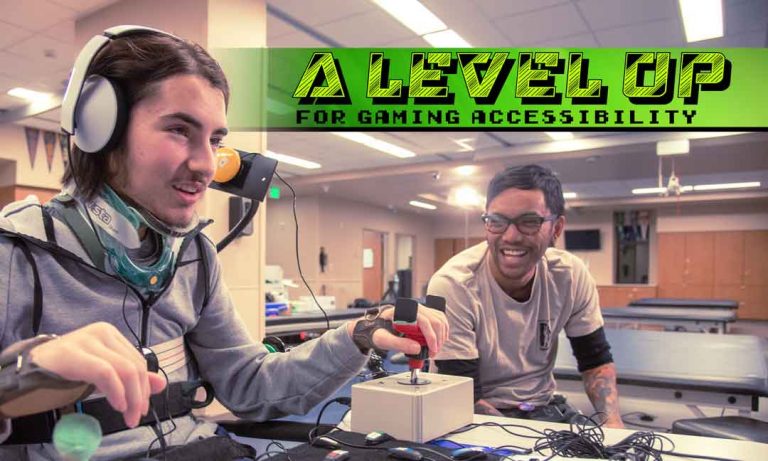
Imagine a world where virtual adventures are open to everyone, regardless of physical limitations. A world where the thrill of victory isn't just for some, but for all. This is the vision driving the accessible gaming movement, a community built on inclusivity, innovation, and the unwavering spirit of gamers who refuse to be sidelined.
The gaming world, for many, can feel like an obstacle course. Traditional controllers and game designs often present significant challenges, creating frustration and exclusion. Gamers with disabilities can face barriers ranging from dexterity issues to visual or auditory impairments, impacting their ability to fully participate and enjoy the games they love. The lack of accessible options limits their choices and prevents them from experiencing the joy and connection that gaming can provide.
This blog post aims to shine a spotlight on the inspiring stories within the gaming disability community. We'll explore how accessible gaming is breaking down barriers, fostering a more inclusive environment, and empowering gamers with disabilities to share their triumphs and connect with a supportive community. We delve into the innovative technologies, the passionate advocates, and the unwavering spirit of those who are shaping a future where everyone can play.
We'll journey through the world of accessible gaming, highlighting personal experiences, the essence of community, historical perspectives, and practical tips. We'll celebrate the resilience and innovation within the gaming disability community, emphasizing the importance of accessible design and the power of shared experiences. This exploration includes fun facts, actionable advice, and thought-provoking considerations about the future of inclusive gaming.
My Accessible Gaming Journey
My first real foray into the world of accessible gaming wasn't by choice; it was born of necessity. A car accident left me with limited use of my left hand. Gaming, once a favorite pastime, suddenly became a frustrating reminder of what I'd lost. The standard controller felt alien in my hand, buttons awkwardly out of reach. I felt isolated, my virtual worlds shrinking with my physical limitations.
But I wasn't ready to give up. I started researching alternative controllers, adaptive equipment, and accessibility options within games themselves. It was a slow process, filled with trial and error. I discovered communities online, forums and groups dedicated to gamers with disabilities, sharing tips, modifications, and encouragement. That's where I found the strength to keep going. I learned about one-handed controllers, foot pedals, eye-tracking technology, and a whole host of other innovations designed to make gaming accessible to everyone. Slowly, painstakingly, I rebuilt my gaming life. I learned to adapt, to experiment, and to advocate for my own needs. I discovered a newfound appreciation for developers who prioritized accessibility and a deep respect for the resilience of the gaming disability community. This experience transformed my understanding of gaming, not just as a source of entertainment, but as a powerful tool for connection, rehabilitation, and self-discovery. The journey continues, and I'm passionate about sharing my experiences and helping others navigate their own path to accessible gaming. Accessible gaming isn't just about making games playable for everyone; it's about creating a level playing field, fostering inclusivity, and celebrating the diversity of the gaming community. It's about empowering gamers with disabilities to overcome challenges, share their triumphs, and connect with others who understand their experiences. It's a testament to the power of technology, innovation, and human spirit to create a world where everyone can play.
What is the Gaming Disability Community?
The Gaming Disability Community isn't just a group of people who happen to have disabilities and play video games; it's a vibrant, supportive ecosystem built on shared experiences, mutual understanding, and a collective drive to make gaming more accessible for everyone. At its core, it's a space where individuals with disabilities can connect, share their challenges and triumphs, and find solutions to the unique barriers they face in the gaming world.
This community encompasses a wide range of disabilities, from physical impairments like limited mobility and dexterity issues to sensory impairments like visual and auditory challenges, and cognitive or neurological differences. It's a diverse group, united by a common passion for gaming and a shared desire to overcome the obstacles that stand in their way. The Gaming Disability Community is more than just a forum for sharing tips and tricks; it's a source of emotional support, encouragement, and advocacy. Members share their stories, offer advice, and celebrate each other's achievements. They collaborate on projects to improve accessibility in games and hardware, and they advocate for greater inclusivity within the gaming industry. It's a place where individuals can find a sense of belonging, feel understood, and be empowered to pursue their passion for gaming without limitations. The community is constantly evolving, adapting to new technologies and advocating for greater accessibility in the gaming world. It's a testament to the power of human connection and the unwavering spirit of gamers with disabilities who are determined to make their voices heard and create a more inclusive gaming landscape for all. It’s also a reminder that gaming can be a powerful tool for connection, rehabilitation, and self-discovery, and that everyone deserves the opportunity to experience the joy and camaraderie that it offers.
The History and Myths of Gaming Disability
The history of gaming disability awareness is intertwined with the evolution of technology and shifting societal attitudes towards disability. In the early days of gaming, accessibility wasn't even a consideration. Games were designed with able-bodied players in mind, and anyone who couldn't conform to the standard control schemes was simply left out. This created a sense of exclusion and isolation for gamers with disabilities, who often had to rely on ingenuity and makeshift solutions to participate.
As technology advanced, so did the potential for accessibility. The rise of the internet and online communities provided a platform for gamers with disabilities to connect, share their experiences, and advocate for change. They began to challenge the prevailing myths that gaming was only for young, able-bodied individuals and that disabilities were a barrier to enjoyment and skill. One common myth is that accessible gaming is too niche to be worth investing in. However, the reality is that accessible design benefits everyone, not just gamers with disabilities. Features like customizable controls, subtitles, and colorblind modes can enhance the gaming experience for a wider audience. Another myth is that accessible gaming is only about making games easier. In fact, it's about providing players with the tools and options they need to play the game in a way that suits their individual abilities and preferences. The gaming disability community has played a crucial role in debunking these myths and advocating for greater inclusivity in the gaming industry. Their efforts have led to significant progress in recent years, with more developers and publishers recognizing the importance of accessibility and incorporating accessibility features into their games. However, there is still much work to be done. The community continues to push for greater awareness, better accessibility tools, and a more inclusive gaming culture for all. The history of gaming disability is a story of perseverance, innovation, and the unwavering spirit of gamers who refuse to be sidelined. It's a testament to the power of community and advocacy to create a more inclusive and accessible world for everyone.
The Hidden Secrets of Accessible Gaming
Beyond the visible advancements in accessible hardware and software, lies a world of hidden secrets within the accessible gaming community. These secrets aren't malicious, but rather represent the ingenuity, resourcefulness, and often unspoken knowledge that gamers with disabilities have cultivated over years of navigating a world not always designed for them.
One such secret is the art of customization. Many gamers with disabilities are masters of adapting and modifying existing equipment to suit their specific needs. This might involve remapping buttons, creating custom controller grips, or even building their own assistive devices from scratch. These modifications often go unnoticed by the wider gaming community, but they represent a critical part of the accessible gaming experience. Another hidden secret is the power of community knowledge. Gamers with disabilities often share tips, tricks, and workarounds that aren't documented anywhere else. This collective knowledge base can be invaluable for navigating complex games or overcoming accessibility barriers. It's a testament to the collaborative spirit of the community and their willingness to help each other succeed. Furthermore, there's the unspoken understanding of the mental and emotional challenges that come with gaming with a disability. The frustration of struggling with a game, the isolation of feeling excluded, and the constant need to advocate for accessibility can take a toll. The Gaming Disability Community provides a safe space to share these challenges, offer support, and find solace in knowing that you're not alone. The hidden secrets of accessible gaming reveal the depth and resilience of this community. They showcase the ingenuity, resourcefulness, and unwavering spirit of gamers who are determined to overcome challenges and create a more inclusive gaming world for themselves and others. These secrets are a reminder that accessibility is not just about technology; it's about community, knowledge sharing, and the power of human connection. In conclusion, the secret sauce often isn't in the product itself but in the community that helps each other discover, navigate, and enhance the gaming experience for everyone.
Recommendations for Accessible Gaming
If you're looking to dive into the world of accessible gaming, whether as a gamer with a disability or an ally seeking to create more inclusive experiences, there are several key recommendations to keep in mind. First and foremost, explore the wealth of resources available online. Websites like Able Gamers, Special Effect, and DAGERSystem provide valuable information on assistive technology, game accessibility reviews, and community support.
These organizations are at the forefront of advocating for accessible gaming and can offer guidance on finding the right tools and resources for your needs. Secondly, don't hesitate to experiment with different input methods. Standard controllers aren't the only option. Consider exploring adaptive controllers like the Xbox Adaptive Controller, which allows you to connect a variety of external switches, buttons, and joysticks. Explore alternatives like eye-tracking technology, voice control software, and one-handed controllers. The key is to find an input method that works best for your individual abilities and preferences. Thirdly, become an advocate for accessibility within the gaming community. Speak up when you encounter accessibility barriers in games. Contact developers and publishers to request accessibility features. Support games and companies that prioritize accessibility. By raising awareness and demanding change, you can help create a more inclusive gaming environment for everyone. Additionally, remember that accessibility is not a one-size-fits-all solution. What works for one person may not work for another. Be open to experimenting and finding what works best for you. Don't be afraid to ask for help from the gaming disability community. They are a valuable source of knowledge and support. Finally, celebrate the successes of accessible gaming. Highlight games that are doing it right and share your own experiences with accessible gaming. By showcasing the positive impact of accessibility, you can inspire others to join the movement and create a more inclusive gaming world for all. These recommendation are here to help you to make the best of your gaming experience within the community.
Diving Deeper into Specific Accessibility Features
Expanding on the recommendations, let's delve deeper into specific accessibility features that are making a significant impact. Customizable controls are a game-changer, allowing players to remap buttons, adjust sensitivity, and create custom profiles tailored to their individual needs. Look for games that offer extensive control customization options, as this can significantly improve playability.
Subtitle options are essential for gamers with hearing impairments, but they can also be beneficial for anyone playing in a noisy environment or struggling to understand dialogue. Ensure that subtitles are clear, customizable, and provide accurate representation of all in-game audio cues. Colorblind modes are crucial for gamers with color vision deficiencies, who may struggle to distinguish between certain colors in games. These modes typically offer alternative color palettes that make it easier to differentiate between important elements. Text-to-speech and speech-to-text functionality can bridge communication gaps for gamers with disabilities that affect their ability to type or speak. Text-to-speech allows players to have in-game text read aloud, while speech-to-text converts spoken words into text for chat and communication. Difficulty settings allow players to adjust the challenge of a game to their individual skill level. Look for games that offer a range of difficulty options, including an "assist mode" or "story mode" that prioritizes accessibility over challenge. Adaptive AI is an emerging technology that dynamically adjusts the game's difficulty and gameplay based on the player's performance. This can help to create a more personalized and accessible gaming experience for all players. These are just a few examples of the many accessibility features that are transforming the gaming landscape. By prioritizing accessibility, developers can create games that are more enjoyable and inclusive for everyone. Always look for these settings when setting up a new game to improve accessibility and enjoyability.
Gaming Disability Community Tips
Navigating the world of accessible gaming can be an adventure, and having the right tips and tricks can make all the difference. One essential tip is to be proactive in seeking out accessibility information. Before purchasing a game, research its accessibility features. Websites like Can I Play That? and Game Accessibility Guidelines provide comprehensive reviews and information on accessibility options.
Another valuable tip is to join online communities and forums dedicated to accessible gaming. These communities are a wealth of knowledge, where you can connect with other gamers with disabilities, share tips and tricks, and find support and encouragement. Don't be afraid to experiment with different controller setups and input methods. What works for one person may not work for another. Try different adaptive controllers, button remapping software, and voice control options to find what feels most comfortable and effective for you. Also, consider consulting with an occupational therapist or assistive technology specialist. These professionals can provide personalized assessments and recommendations for assistive devices and strategies that can improve your gaming experience. Additionally, advocate for accessibility within the gaming community. Contact developers and publishers to request accessibility features in their games. Support games and companies that prioritize accessibility. By raising awareness and demanding change, you can help create a more inclusive gaming environment for everyone. Remember, patience and persistence are key. It may take time to find the right tools and strategies that work for you. Don't get discouraged if you encounter challenges along the way. The gaming disability community is there to support you. These tips will help you enhance your experience in gaming.
Understanding Assistive Technology Options
Delving deeper into assistive technology, it's important to understand the vast array of options available. Adaptive controllers like the Xbox Adaptive Controller offer a modular system that allows players to connect a variety of external switches, buttons, and joysticks. This enables highly customizable control schemes tailored to individual needs.
Switch control systems allow players to use one or more switches to navigate menus, select options, and perform in-game actions. These systems can be customized to suit a wide range of disabilities. Eye-tracking technology allows players to control in-game actions using their eye movements. This can be a game-changer for individuals with limited mobility. Voice control software allows players to control games using their voice commands. This can be particularly useful for individuals with physical impairments that affect their ability to use traditional controllers. One-handed controllers are designed for players who have limited use of one hand. These controllers typically feature all of the standard controller buttons and functions, but are arranged in a way that allows them to be operated with a single hand. Mouth sticks and head pointers allow players to control in-game actions using their mouth or head movements. These devices can be used to manipulate joysticks, buttons, and other input devices. These are just a few examples of the many assistive technology options available. The key is to find the tools that work best for your individual needs and preferences. Consulting with an occupational therapist or assistive technology specialist can help you explore the available options and find the right solutions. Remember that accessibility is not a one-size-fits-all solution. Be open to experimenting and finding what works best for you. Also remember that cost doesn't always mean quality. Do your research to find equipment that suits your needs, rather than just buying the most expensive item.
Fun Facts about Gaming Disability Community
Did you know that the gaming disability community is a hotbed of innovation? Many accessible gaming solutions have been developed by gamers with disabilities themselves, driven by their own needs and experiences. These innovations often lead to broader accessibility advancements that benefit everyone.
Another fun fact is that accessible gaming is not just about making games easier. It's about providing players with the tools and options they need to play the game in a way that suits their individual abilities and preferences. It's about creating a level playing field where everyone can participate and enjoy the experience. Furthermore, the gaming disability community is incredibly diverse, encompassing individuals with a wide range of disabilities, ages, and backgrounds. This diversity enriches the community and fosters a spirit of inclusivity and understanding. Also, many mainstream games have incorporated accessibility features that were originally championed by the gaming disability community. This demonstrates the growing influence of the community and their ability to drive positive change within the gaming industry. Interestingly, some studies have shown that accessible gaming can have therapeutic benefits, helping to improve motor skills, cognitive function, and social interaction for individuals with disabilities. And lastly, The gaming disability community is a powerful force for advocacy, working to raise awareness about accessibility issues and promote inclusive gaming practices. They are making a real difference in shaping a more accessible and equitable gaming world for all. The fun facts can also act as a conversation starter to discuss different perspectives in the community. Each gamer's experience is unique, but there is also common ground.
How to Support the Gaming Disability Community
Supporting the gaming disability community goes beyond simply being aware of their existence. It requires active participation, advocacy, and a commitment to creating a more inclusive gaming environment. One of the most impactful ways to support the community is to demand accessibility from developers and publishers. Contact them directly to request accessibility features in their games. Support games and companies that prioritize accessibility. Let them know that accessibility is important to you.
Another way to support the community is to spread awareness about accessibility issues. Share articles, videos, and other resources that highlight the challenges faced by gamers with disabilities. Educate your friends and family about the importance of accessible gaming. You can also contribute to the community by volunteering your time or donating to organizations that support accessible gaming. Able Gamers and Special Effect are just two examples of organizations that are making a real difference in the lives of gamers with disabilities. Additionally, be mindful of your language and behavior in online gaming communities. Avoid using ableist language or making assumptions about other players' abilities. Create a welcoming and inclusive environment for everyone. Furthermore, listen to the voices of gamers with disabilities. They are the experts on their own experiences. Take their feedback seriously and use it to inform your own efforts to support the community. Also, consider creating accessible content for the gaming community. This could include writing articles, making videos, or developing accessible mods for games. Remember that even small acts of support can make a big difference. By working together, we can create a gaming world where everyone can participate and thrive. Supporting the community could mean a game review focuses on accessibility options, or it could mean organizing a fundraiser for the organizations that focus on it.
What if Accessibility Wasn't an Afterthought?
Imagine a world where accessibility wasn't an afterthought in game development, but a core principle from the very beginning. What if every game was designed with inclusivity in mind, ensuring that players of all abilities could participate and enjoy the experience? This is not just a pipe dream; it's a vision that is within our reach.
If accessibility were a priority from the outset, we would see more customizable controls, adaptable interfaces, and comprehensive accessibility options in every game. Developers would consult with gamers with disabilities throughout the development process, ensuring that their needs and perspectives are taken into account. This would lead to games that are not only more accessible but also more innovative and engaging for everyone. Furthermore, if accessibility were the norm, we would see a shift in the gaming culture. The stigma surrounding disability would diminish, and the gaming community would become more inclusive and welcoming to players of all abilities. This would create a more positive and supportive environment for everyone. Additionally, if accessibility were a priority, we would see more investment in assistive technology and research. This would lead to the development of new and innovative tools and technologies that could further enhance the gaming experience for individuals with disabilities. Moreover, if accessibility were the default, it would have a ripple effect across other industries. The principles of inclusive design would be applied to other areas of technology and society, creating a more accessible and equitable world for all. This is what it would mean if accessibility was a starting point. These what if situations are not just dreams, but can be realistic expectations that help to build towards more accessible gaming experiences for everyone.
A Listicle of Accessible Games
Here's a list of accessible games that have been praised for their inclusivity:
- The Last of Us Part II: Known for its extensive accessibility options, including customizable controls, text-to-speech, and alternative audio cues.
- Forza Horizon 5: Offers a wide range of accessibility features, including customizable difficulty settings, colorblind modes, and subtitle options.
- Gears 5: Features customizable controls, subtitle options, and a visual assist mode that makes it easier to aim and shoot.
- Assassin's Creed Valhalla: Includes customizable controls, subtitle options, and a high contrast mode that improves visibility.
- Marvel's Spider-Man: Miles Morales: Offers customizable controls, subtitle options, and a simplified combat mode.
- Celeste: Praised for its customizable difficulty settings and its ability to be played with a variety of input methods.
- A Short Hike: A relaxing and accessible adventure game with customizable controls and subtitle options.
- Overcooked! 2: Offers customizable controls and the ability to remap buttons, making it more accessible to players with limited mobility.
- Minecraft: Features customizable controls and a wide range of accessibility mods that can be used to enhance the experience.
- Rocket League: Includes customizable controls and the ability to remap buttons, making it more accessible to players with limited mobility.
This list is just a starting point. There are many other accessible games out there, and new ones are being released all the time. Do your research and find the games that are right for you.
Question and Answer
Here are some common questions and answers related to gaming and disability:
Q: What is accessible gaming?
A: Accessible gaming refers to the design and implementation of video games that can be enjoyed by people with disabilities. This includes features such as customizable controls, subtitle options, and alternative input methods.
Q: Why is accessible gaming important?
A: Accessible gaming is important because it ensures that everyone has the opportunity to participate in and enjoy the benefits of gaming. It promotes inclusivity, reduces barriers to entry, and empowers individuals with disabilities to connect with others and pursue their passions.
Q: What are some common accessibility barriers in gaming?
A: Common accessibility barriers in gaming include complex control schemes, lack of subtitle options, visual clutter, and reliance on auditory cues. These barriers can make it difficult or impossible for people with disabilities to play games.
Q: How can I make my game more accessible?
A: There are many ways to make your game more accessible. Some common strategies include customizable controls, subtitle options, alternative input methods, clear visual design, and adjustable difficulty settings. Consulting with gamers with disabilities can provide valuable insights and feedback.
Conclusion of Gaming Disability Community: Accessible Gaming Stories of Triumph
The gaming disability community is a testament to the power of human resilience, innovation, and the unwavering spirit of gamers who refuse to be sidelined. By sharing their stories of triumph, advocating for accessibility, and creating a supportive community, they are transforming the gaming landscape and making it more inclusive for everyone. The journey towards a fully accessible gaming world is ongoing, but the progress that has been made so far is truly inspiring. Let's continue to support the gaming disability community, demand accessibility from developers and publishers, and work together to create a gaming world where everyone can play and thrive.
Post a Comment