Gaming Culture Differences: How Gaming Varies Across Cultures
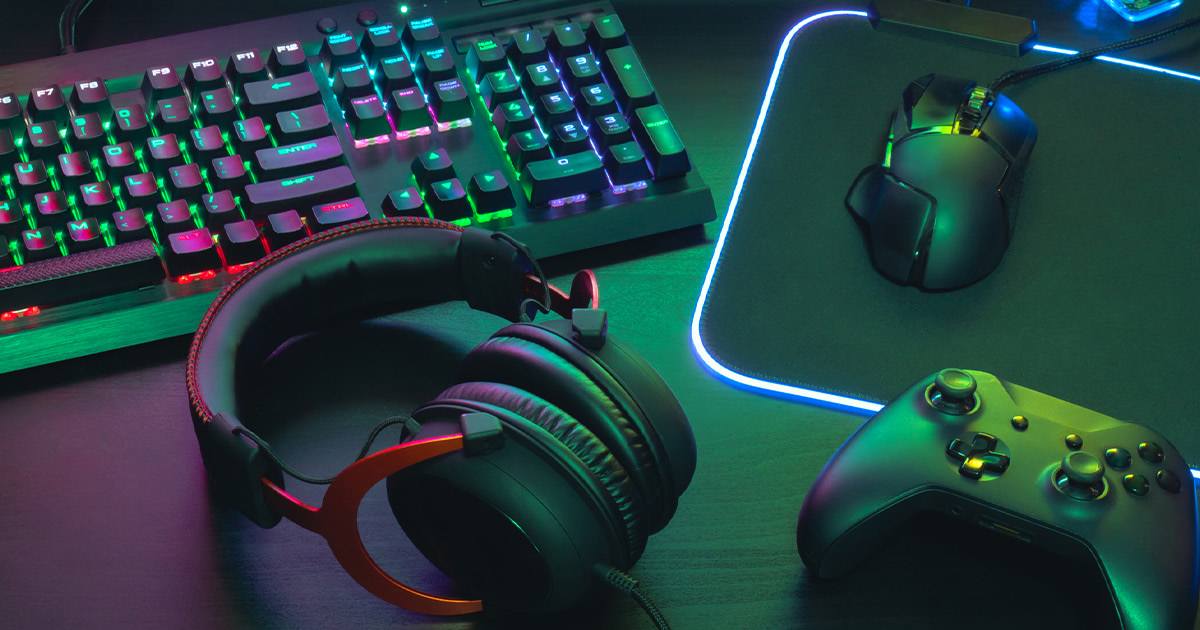
Have you ever wondered why some games are massive hits in one country but barely register in another? Or why certain playstyles are considered acceptable in one region but frowned upon in another? The world of gaming is vast and diverse, and just like any other form of culture, it's shaped by unique regional influences.
Navigating the global gaming landscape can sometimes feel like traversing a minefield. What's considered good sportsmanship in one community might be seen as weakness elsewhere. The types of games favored, the way people interact online, even the perception of gaming as a whole – these can all shift dramatically depending on where you are in the world, leading to misunderstandings and missed opportunities for connection.
This article aims to explore the fascinating topic of gaming culture differences across the globe. We'll delve into how cultural values, historical context, and regional preferences influence the gaming experience, from the games people play to the way they play them. Get ready to level up your understanding of the global gaming community!
In essence, we've explored how cultural nuances impact gaming, examining regional preferences, social norms, and the influence of history on player behavior. Understanding these differences fosters greater inclusivity and appreciation within the global gaming community. Key elements like preferred game genres, communication styles, and the very perception of gaming as a pastime all vary widely. Ultimately, recognizing these cultural variations allows us to better connect and collaborate with gamers from around the world.
The Influence of Social Norms
One particularly memorable experience I had involved playing a popular MMORPG with a group of friends, some of whom were from South Korea. In our typical North American style, we were loud, boisterous, and constantly cracking jokes in the game's chat. However, our Korean counterparts were much quieter and more focused on the task at hand. At first, I thought they were being unfriendly, but I later learned that their more reserved behavior was rooted in their culture's emphasis on respect and maintaining a calm and orderly environment, even in a virtual world. It was a real eye-opener and made me realize how my own cultural assumptions were influencing my perception of their behavior. It’s a stark reminder that social norms heavily influence the gaming experience. What is considered acceptable behavior, such as trash-talking or aggressive playstyles, varies significantly. In some cultures, teamwork and cooperation are highly valued, while others encourage individual skill and competition above all else. This can impact how players approach games, communicate with each other, and even the types of games they prefer. For example, games with strong social components may be more popular in collectivist cultures, while those emphasizing individual achievement might resonate more in individualistic societies. Understanding these norms is vital for fostering positive interactions and avoiding cultural misunderstandings within the gaming community.
Popular Game Genres by Region
Gaming preferences are far from universal; different regions gravitate towards specific genres. In Asia, for instance, Mobile gaming and MMORPGs are incredibly popular, often tied to the cultural value placed on community and social interaction. Games like "Honor of Kings" and "Genshin Impact," with their focus on cooperative gameplay and compelling storylines, resonate deeply. These games provide avenues for social connection and a sense of belonging, reflecting the importance of group harmony in many Asian societies. Meanwhile, in North America and Europe, genres like first-person shooters (FPS) and strategy games dominate, reflecting a culture that often emphasizes individual skill and competition. Titles like "Call of Duty" and "League of Legends" attract massive audiences with their focus on fast-paced action, strategic thinking, and individual performance. Understanding these regional preferences is essential for game developers and publishers aiming to reach a global audience. By tailoring games to specific cultural tastes and preferences, they can increase their chances of success in different markets. This includes adapting gameplay mechanics, storylines, and even character designs to resonate with local audiences.
Historical and Mythological Influences
The stories we tell ourselves shape our preferences, and gaming is no exception. Japanese games, for instance, are heavily influenced by Shinto and Buddhist beliefs, often featuring themes of reincarnation, karma, and the interconnectedness of all things. This is evident in titles like "Final Fantasy" and "Persona," which frequently explore spiritual themes and philosophical questions. Similarly, European games often draw inspiration from classical mythology, Arthurian legends, and historical events. Games like "The Witcher" and "Crusader Kings" incorporate these elements to create immersive and engaging narratives that resonate with players familiar with these cultural touchstones. The inclusion of historical and mythological elements can significantly enhance a game's appeal, adding depth and meaning to the gameplay experience. By drawing on local folklore and legends, developers can create games that are not only entertaining but also culturally relevant and meaningful to players in specific regions. This approach can also help to promote cultural understanding and appreciation, as players learn about different traditions and beliefs through the games they play.
Hidden Biases in Game Design
Sometimes, the assumptions embedded within a game's design can reveal underlying cultural biases. Character design, for example, can unintentionally perpetuate stereotypes or cater to specific beauty standards prevalent in certain regions. Similarly, the difficulty level of a game can reflect cultural attitudes towards challenge and perseverance. Some games are designed to be extremely difficult, reflecting a belief that players should "earn" their victories through dedication and hard work. Others are more forgiving, catering to a wider audience and emphasizing enjoyment over challenge. It's crucial for game developers to be aware of these potential biases and strive to create games that are inclusive and respectful of diverse cultural perspectives. This includes conducting thorough research, consulting with cultural experts, and seeking feedback from players from different backgrounds. By actively addressing potential biases, developers can create games that are not only entertaining but also promote understanding and empathy across cultures. This fosters a more welcoming and inclusive gaming community for everyone.
Recommendations for Cross-Cultural Gaming
If you're looking to bridge cultural divides in the gaming world, communication is key. Start by being mindful of your language and tone. Avoid slang or jargon that might not be understood by others, and be respectful of different communication styles. Some cultures are more direct and assertive, while others prefer a more indirect and polite approach. Actively listen to what others have to say and try to understand their perspectives. Don't be afraid to ask questions, but do so in a respectful and curious manner. It's also helpful to learn about the cultural norms and values of the people you're playing with. This will help you to better understand their behavior and avoid unintentional offense. There are many resources available online that provide information about different cultures, including websites, forums, and social media groups. Finally, remember that gaming is supposed to be fun. Don't take things too seriously, and be willing to laugh at yourself and learn from your mistakes. By approaching cross-cultural gaming with an open mind and a willingness to learn, you can build bridges, make new friends, and expand your understanding of the world.
Understanding Time Zones and Scheduling
One practical aspect of cross-cultural gaming that often gets overlooked is the challenge of coordinating playtime across different time zones. This can be a major obstacle for gamers who want to play with friends or participate in online events with players from around the world. To overcome this challenge, it's essential to be mindful of the time differences and to find scheduling solutions that work for everyone. There are several online tools and resources available that can help with this, such as time zone converters and scheduling apps. These tools allow you to easily see the current time in different locations and to find mutually convenient times for gaming sessions. It's also helpful to be flexible and willing to adjust your schedule to accommodate others. This might mean staying up late or waking up early, but it can be worth it to connect with friends and fellow gamers from different parts of the world. Communication is key in this process. Openly discuss your availability and preferences with your gaming group, and work together to find a schedule that works for everyone. By being proactive and considerate, you can overcome the challenges of time zones and enjoy seamless cross-cultural gaming experiences.
Tips for Respectful Online Interactions
When interacting with gamers from different cultures, it's crucial to be mindful of cultural sensitivities and avoid making assumptions or generalizations. One simple but effective tip is to avoid using offensive language or stereotypes. Even seemingly harmless jokes can be offensive to people from different backgrounds. It's also important to be aware of cultural differences in communication styles. Some cultures are more direct and assertive, while others prefer a more indirect and polite approach. Try to adapt your communication style to match the preferences of the people you're interacting with. Another important tip is to be respectful of different beliefs and values. Avoid discussing controversial topics such as politics or religion, and be careful not to make disparaging remarks about other cultures. Instead, focus on finding common ground and building positive relationships based on shared interests. If you're unsure about something, it's always best to ask for clarification. Don't be afraid to ask questions, but do so in a respectful and curious manner. By following these tips, you can create a more welcoming and inclusive online gaming environment for everyone.
Avoiding Cultural Appropriation
Cultural appropriation is a complex issue that can arise in gaming when elements from one culture are used by members of another culture without proper understanding or respect. This can manifest in various ways, such as using cultural symbols or imagery in a game without understanding their meaning, or creating characters that are based on stereotypes. To avoid cultural appropriation, it's essential to do your research and learn about the cultures you're drawing inspiration from. This includes understanding the history, traditions, and values of the culture, as well as the meanings behind specific symbols and imagery. It's also important to be respectful of the cultural context and avoid using elements in a way that is disrespectful or trivializing. If you're unsure about something, it's always best to consult with cultural experts or members of the community you're drawing inspiration from. They can provide valuable insights and guidance on how to use cultural elements in a respectful and authentic way. Remember that cultural appropriation is not just about avoiding offense. It's also about honoring and celebrating the diversity of human culture.
Fun Facts About Global Gaming
Did you know that South Korea is considered the esports capital of the world? Professional gaming is a mainstream phenomenon there, with dedicated television channels, massive tournaments, and celebrity gamers. In Japan, it's common to see people playing portable gaming consoles on public transportation, reflecting the country's embrace of gaming as a convenient and enjoyable pastime. In China, the government has implemented regulations on gaming time for minors, reflecting concerns about addiction and its impact on youth development. These fun facts highlight the diverse ways in which gaming is perceived and integrated into different societies. They also underscore the importance of understanding the cultural context when analyzing gaming trends and behaviors. By learning about these fascinating aspects of global gaming, we can gain a deeper appreciation for the richness and complexity of the global gaming community. It's a world of passionate players, innovative developers, and diverse cultural perspectives.
How to Learn About Different Gaming Cultures
Immerse yourself! One of the best ways to learn about different gaming cultures is to actively participate in them. Join online communities, watch streams, and play games with people from different regions. Pay attention to their language, their playstyles, and their attitudes towards gaming. Engage in respectful conversations and ask questions to learn more about their cultural perspectives. Another effective method is to research the history and culture of different regions. Understanding the cultural context can help you to better understand the gaming preferences and behaviors of people from those regions. Read books, articles, and blog posts about different cultures, and watch documentaries and films. There are also many online resources available that provide information about different gaming cultures, such as forums, social media groups, and websites dedicated to specific regions. By combining active participation with thorough research, you can gain a comprehensive understanding of the diverse and fascinating world of global gaming.
What If Games Were Designed With Cultural Sensitivity in Mind?
Imagine a world where every game was designed with cultural sensitivity and inclusivity as a core principle. Character designs would be diverse and representative of different ethnicities, body types, and genders. Storylines would explore themes that resonate with different cultures and avoid perpetuating harmful stereotypes. Gameplay mechanics would be adaptable to different playstyles and preferences, allowing players from all backgrounds to enjoy the game. The online communities surrounding these games would be welcoming and respectful of diverse perspectives, fostering a sense of belonging for everyone. Such a world would not only be more enjoyable for gamers but also more enriching and educational. Games would become powerful tools for promoting cultural understanding, empathy, and respect. They would help to break down barriers and build bridges between people from different backgrounds. By prioritizing cultural sensitivity and inclusivity in game design, we can create a more positive and equitable gaming world for everyone.
List of Must-Play Games From Around the World
To truly experience the diversity of gaming, consider exploring titles from different regions: 1. "Genshin Impact" (China): A popular open-world action RPG with stunning visuals and a compelling storyline.
2. "Yakuza" series (Japan): A crime drama series that immerses players in the gritty underworld of Japanese society.
3. "The Witcher 3: Wild Hunt" (Poland): A dark fantasy RPG based on Polish folklore and mythology.
4. "Cuphead" (Canada): A visually stunning run-and-gun game inspired by 1930s cartoons.
5. "Assassin's Creed" series (France): An action-adventure series that explores different historical periods and cultures.
6. "League of Legends" (United States): A multiplayer online battle arena (MOBA) game that has become a global phenomenon.
7. "PUBG Mobile" (South Korea): A mobile battle royale game that is incredibly popular in Asia. These games represent a diverse range of genres, styles, and cultural influences. By playing them, you can gain a deeper appreciation for the global gaming community and the creative talent that exists around the world.
Question and Answer
Q: Why is it important to be aware of gaming culture differences?
A: Being aware of gaming culture differences helps you avoid misunderstandings, build stronger relationships with other players, and appreciate the diversity of the global gaming community.
Q: What are some examples of gaming culture differences?
A: Examples include different communication styles, preferred game genres, attitudes towards competition, and the influence of local folklore and mythology.
Q: How can I learn more about different gaming cultures?
A: You can learn more by participating in online communities, watching streams, playing games with people from different regions, and researching the history and culture of different countries.
Q: What can I do to be more respectful of other gaming cultures?
A: Be mindful of your language, avoid making assumptions, be open to learning about different perspectives, and be willing to adapt your playstyle to match the preferences of others.
Conclusion of Gaming Culture Differences: How Gaming Varies Across Cultures
Understanding gaming culture differences is essential for fostering a more inclusive and enriching global gaming experience. By recognizing the influence of social norms, regional preferences, and historical context, we can bridge cultural divides, build stronger relationships, and create a more positive and equitable gaming world for everyone. It's about appreciating the diversity of the gaming community and celebrating the unique contributions of players from around the globe. As you continue your gaming journey, remember to be mindful of cultural differences, be open to learning new things, and be respectful of the perspectives of others. Together, we can create a more welcoming and inclusive gaming world for all.
Post a Comment