Gaming Comeback Stories: Resilience in Competitive Gaming
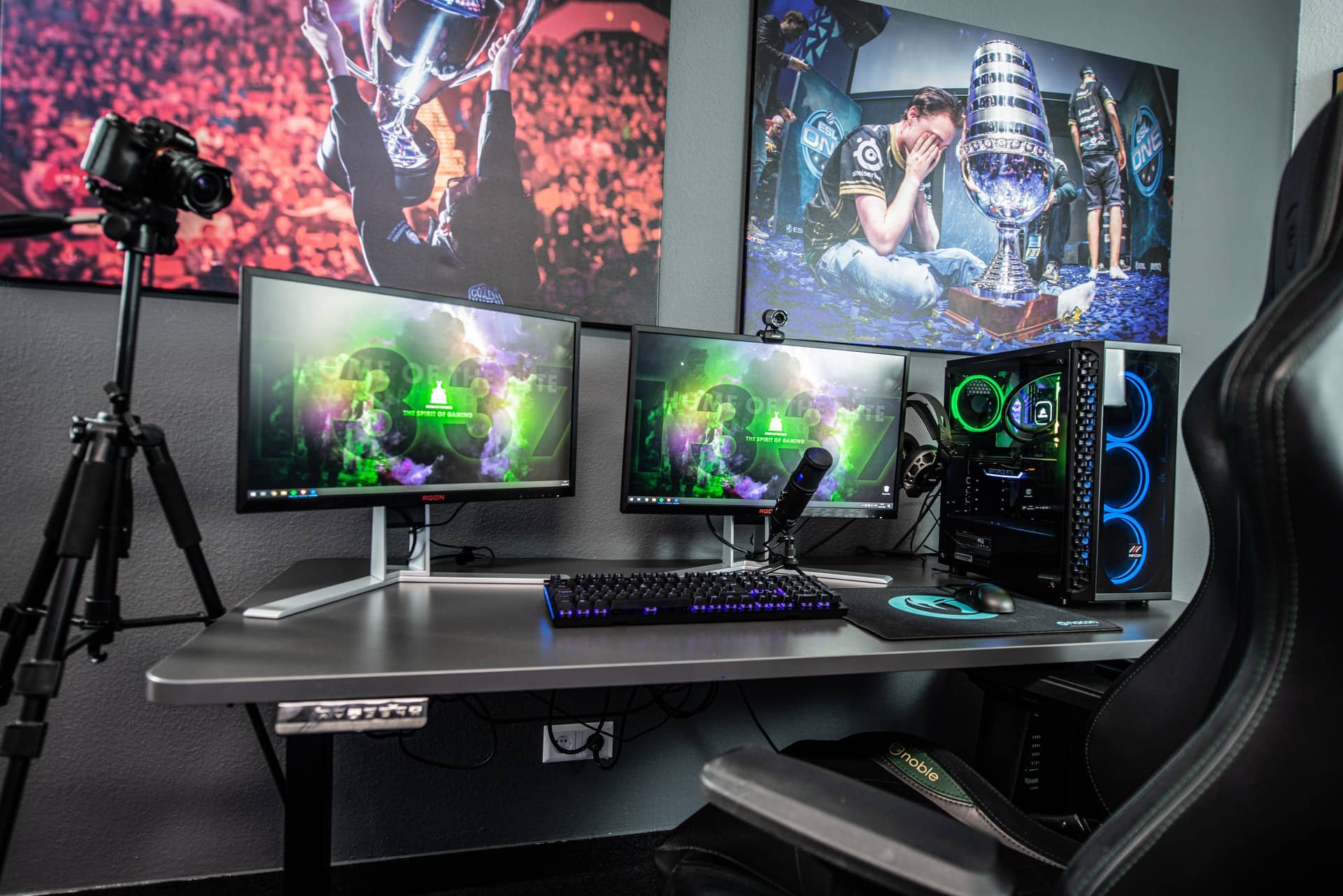
Imagine the roar of the crowd fading to a disappointed murmur. A team, once on top, now facing elimination. All seems lost. But then, something shifts. A spark ignites. A comeback begins. These are the moments that define competitive gaming, showcasing the incredible power of resilience.
We often see the flashy plays, the incredible reflexes, and the strategic masterminds behind successful esports teams and players. But behind every champion, there's a story of struggle, of setbacks, and moments where everything seemed to fall apart. The journey isn't always smooth, and sometimes the most talented individuals and teams find themselves struggling to regain their footing after a significant defeat or a period of underperformance.
This blog post delves into the heart of gaming comeback stories, exploring the concept of resilience in competitive gaming. We'll examine what it takes for players and teams to overcome adversity, bounce back from losses, and ultimately achieve victory against all odds. We aim to uncover the mental fortitude, strategies, and unwavering spirit that fuel these inspiring narratives.
We'll explore the mental toughness, strategic adjustments, and the sheer determination that power these remarkable turnarounds. We'll touch upon iconic examples, analyze the psychological factors involved, and offer insights into cultivating resilience within yourself or your team. Get ready to witness the extraordinary strength of the human spirit within the realm of esports. Key concepts we will be examining are perseverance, mental fortitude, strategic adaptation, team cohesion, and psychological resilience.
The Psychology of a Comeback
The psychology of a comeback is a fascinating area. I remember a time in my own gaming experience, during a local tournament for a fighting game I loved. I was on a losing streak, feeling the pressure mount with each defeat. Doubt crept in, and I started questioning my abilities. It was a dark place, filled with frustration and a sense of helplessness. But then, something clicked. I realized I was focusing too much on the losses and not enough on analyzing my mistakes and adapting my strategy. I took a deep breath, cleared my head, and decided to focus on one match at a time, breaking down my opponent's weaknesses and playing to my strengths. It wasn't easy, but slowly, I started to regain my confidence and momentum. I didn't win the tournament, but I learned a valuable lesson about resilience and the power of a positive mindset. In competitive gaming, the mental game is just as important as skill. Players need to develop strategies for managing stress, dealing with pressure, and maintaining focus in the face of adversity. Psychological resilience involves the ability to bounce back from setbacks, learn from mistakes, and maintain a belief in one's abilities. This requires a combination of self-awareness, emotional regulation, and mental toughness. Teams that foster a supportive and positive environment can also enhance the resilience of their members, creating a culture where players feel comfortable taking risks and learning from their failures. Comebacks are rarely solely about skill; they are a testament to the power of a strong mental game and the ability to persevere through challenging circumstances.
Defining Resilience in Competitive Gaming
Resilience in competitive gaming is the ability of a player or team to recover quickly from difficulties, whether those difficulties are individual misplays, strategic disadvantages, or outright losses. It's about more than just brushing off a defeat; it's about learning from the experience, adapting strategies, and maintaining a positive mindset in the face of adversity. A resilient player doesn't let a bad game define them; instead, they use it as an opportunity to improve. A resilient team doesn't crumble under pressure; they communicate effectively, support each other, and find ways to overcome challenges. This concept is crucial in the high-stakes world of esports, where the margin for error is small and the competition is fierce. Teams and players who can demonstrate resilience are more likely to achieve long-term success, as they are better equipped to handle the inevitable ups and downs of competitive gaming. Resilience also encompasses the ability to adapt to changing meta-games, learn new strategies, and maintain a competitive edge over time. It's a continuous process of learning, adaptation, and self-improvement, driven by a desire to succeed and a willingness to overcome obstacles.
The History and Myth of Comeback Stories
Throughout esports history, comeback stories have become legendary, often imbued with an almost mythical quality. These narratives resonate deeply with fans because they represent the triumph of the underdog, the power of perseverance, and the belief that anything is possible. One classic example is the "Miracle Run" of a certain Dota 2 team at The International, where they clawed their way back from the brink of elimination to win the entire tournament. Such tales are not just about winning; they're about the journey, the struggle, and the unwavering spirit of the players involved. The myth of the comeback is often intertwined with themes of redemption, teamwork, and strategic brilliance. These stories inspire aspiring esports athletes to believe in themselves and to never give up, even when faced with seemingly insurmountable odds. However, it's important to separate the myth from reality. While comeback stories are inspiring, they are also rare and require a combination of talent, hard work, and a bit of luck. It's crucial to recognize that not every team or player can achieve a comeback, and that failure is a natural part of the competitive process. Nevertheless, the enduring appeal of comeback stories lies in their ability to remind us that even in the face of defeat, there is always hope for a brighter future.
The Hidden Secrets of a Successful Comeback
While comeback stories often appear spontaneous and miraculous, there are usually hidden factors at play that contribute to their success. One key secret is effective communication within the team. During moments of crisis, clear and concise communication is essential for identifying problems, coordinating strategies, and maintaining morale. Another important factor is the ability to adapt to changing circumstances. Teams that can quickly analyze their opponents' strategies and adjust their own gameplay are more likely to turn the tide of a match. A third secret is the presence of a strong leader who can inspire confidence and motivate the team to persevere. This leader doesn't necessarily have to be the most skilled player, but they must possess the ability to keep the team focused and united under pressure. Beyond these practical elements, there's also a psychological aspect. Successful comebacks often involve a shift in mindset, from a focus on what's going wrong to a belief in the possibility of victory. This requires a strong sense of self-belief, resilience, and the ability to remain calm and collected in the face of adversity. Ultimately, the secrets of a successful comeback are a combination of strategic adjustments, effective communication, strong leadership, and a unwavering belief in the team's ability to succeed.
Recommendations for Cultivating Resilience
Cultivating resilience is an ongoing process that requires conscious effort and a commitment to self-improvement. One of the most effective recommendations is to focus on developing a growth mindset, which is the belief that abilities and intelligence can be developed through dedication and hard work. This mindset allows players to view setbacks as opportunities for learning and growth, rather than as signs of failure. Another important recommendation is to practice self-care, including getting enough sleep, eating healthy, and engaging in activities that reduce stress. Burnout is a common problem in competitive gaming, and taking care of one's physical and mental health is essential for maintaining resilience. Additionally, it's beneficial to build a strong support network of friends, family, and teammates who can provide encouragement and perspective during challenging times. Talking to others about one's struggles can help to reduce feelings of isolation and provide valuable insights. Finally, it's important to set realistic goals and celebrate small victories along the way. This can help to maintain motivation and build confidence, even in the face of adversity. By adopting these recommendations, players and teams can cultivate resilience and increase their chances of achieving long-term success in competitive gaming.
Building Mental Fortitude
Building mental fortitude is like constructing a fortress within your mind, designed to withstand the onslaught of pressure, doubt, and adversity that inevitably arises in competitive gaming. It's not a skill you're born with; it's a muscle you develop through consistent training and self-discipline. One crucial aspect is learning to manage your emotions effectively. This doesn't mean suppressing your feelings, but rather understanding them, acknowledging them, and preventing them from clouding your judgment. Techniques like mindfulness and meditation can be incredibly helpful in developing emotional regulation skills. Another key element is cultivating a positive self-image. Believe in your abilities, focus on your strengths, and celebrate your achievements, no matter how small. Surround yourself with positive influences and avoid negative self-talk. Remember that setbacks are temporary, and that every challenge presents an opportunity for growth. Finally, practice resilience by deliberately pushing yourself outside of your comfort zone. Take on new challenges, embrace risks, and learn from your mistakes. The more you expose yourself to adversity, the stronger your mental fortitude will become. By consistently working on these areas, you can build a mental fortress that will help you to weather any storm and emerge stronger on the other side.
Tips for Implementing Resilience Strategies
Implementing resilience strategies requires a proactive approach and a commitment to consistent practice. One effective tip is to create a pre-game routine that helps you to focus and calm your nerves. This routine might include deep breathing exercises, visualization techniques, or listening to music. Another helpful tip is to develop a post-game analysis process that allows you to objectively evaluate your performance and identify areas for improvement. Avoid dwelling on mistakes or blaming yourself; instead, focus on what you can learn from the experience. It's also important to practice effective communication within your team. Establish clear roles and responsibilities, and encourage open and honest feedback. When disagreements arise, focus on finding solutions that benefit the team as a whole. Furthermore, don't be afraid to seek help from others. Coaches, mentors, and sports psychologists can provide valuable guidance and support in developing resilience skills. Finally, remember that resilience is a journey, not a destination. There will be times when you struggle, but it's important to keep practicing and to never give up on yourself. By consistently implementing these strategies, you can cultivate resilience and improve your performance in competitive gaming.
Overcoming Tilt and Maintaining Composure
Tilt, that dreaded state of frustration and mental disarray, is a common enemy of competitive gamers. It can lead to poor decision-making, reckless gameplay, and ultimately, defeat. Overcoming tilt requires a combination of self-awareness, emotional regulation, and strategic techniques. The first step is recognizing when you're tilting. Common signs include increased irritability, a decline in performance, and a tendency to make impulsive decisions. Once you've identified that you're tilting, it's important to take a break and step away from the game. This allows you to clear your head, calm your nerves, and regain your composure. During your break, try engaging in activities that relax you, such as listening to music, going for a walk, or talking to a friend. When you return to the game, focus on the basics and avoid taking unnecessary risks. Remind yourself of your strengths and focus on executing your strategies effectively. It's also helpful to have a backup plan in place, such as switching to a different role or game mode. Finally, remember that everyone tilts occasionally. Don't beat yourself up about it; instead, view it as an opportunity to learn and grow. By consistently practicing these techniques, you can overcome tilt and maintain composure in the face of adversity.
Fun Facts About Gaming Comeback Stories
Did you know that some of the most legendary comeback stories in esports history have involved seemingly impossible odds? For example, a certain team once overcame a 10,000 gold deficit in a Dota 2 match to secure a victory. Or that a certain professional Star Craft player, known for his aggressive style, once won a tournament despite starting with a severe disadvantage due to a misclick at the beginning of the game? These fun facts highlight the incredible potential for comebacks in competitive gaming and demonstrate the importance of never giving up, even when the odds are stacked against you. Comeback stories often involve moments of unexpected brilliance, strategic innovation, and sheer determination. They showcase the human element of esports and remind us that anything is possible with enough skill, perseverance, and a little bit of luck. Furthermore, comeback stories are often shared and celebrated within the esports community, becoming part of the lore and inspiring future generations of players. They reinforce the values of resilience, teamwork, and a never-say-die attitude. These narratives also often lead to increased viewership and fan engagement, creating a more exciting and compelling viewing experience. In essence, comeback stories are a vital part of the fabric of competitive gaming, adding drama, intrigue, and a sense of hope to the world of esports.
How to Analyze Gaming Comeback Stories
Analyzing gaming comeback stories involves dissecting the key factors that contributed to the turnaround. It's not enough to simply marvel at the outcome; you need to understand the underlying strategies, psychological elements, and external circumstances that made the comeback possible. One crucial aspect is to examine the team's or player's decision-making process during the critical moments of the game. What adjustments did they make to their strategy? How did they adapt to their opponent's tactics? What risks did they take, and why? Another important factor is to analyze the psychological state of the team or player. Were they able to maintain composure under pressure? Did they exhibit strong leadership and communication skills? How did they motivate themselves and their teammates to persevere? Furthermore, it's essential to consider the external factors that may have influenced the outcome, such as changes in the meta-game, unexpected errors by the opponent, or favorable map conditions. By carefully analyzing these various elements, you can gain a deeper understanding of the dynamics of comeback stories and learn valuable lessons about resilience, adaptation, and strategic thinking. This analysis can then be applied to your own gameplay, helping you to improve your performance and increase your chances of achieving your own comeback victories.
What If Comeback Stories Didn't Exist?
Imagine a world of competitive gaming where comeback stories were nonexistent. Matches would be predictable, the outcome determined early on, and the excitement would quickly dissipate. The element of surprise, the thrill of the unexpected, and the hope of a turnaround would be absent. Esports would likely become less engaging, with viewers tuning out once a significant lead was established. The focus would shift solely to individual skill and early-game dominance, neglecting the importance of resilience, adaptation, and strategic thinking. Furthermore, the absence of comeback stories would likely discourage aspiring esports athletes. The message would be that success is only for those who start strong and maintain their lead, discouraging those who face early setbacks or challenges. The culture of perseverance and never-giving-up would be undermined, replaced by a sense of fatalism and resignation. In short, the absence of comeback stories would significantly diminish the appeal and excitement of competitive gaming, transforming it into a less dynamic and less inspiring spectacle. The stories of triumph over adversity are integral to the spirit of esports and provide a powerful message of hope and resilience to players and fans alike.
Listicle of Iconic Comeback Moments in Gaming
Here's a list of some iconic comeback moments in gaming history, showcasing the incredible resilience and strategic brilliance of esports athletes: 1. The "Miracle Run" of a certain Dota 2 team at The International, where they clawed their way back from the lower bracket to win the entire tournament.
2. The reverse sweep of a certain team in a League of Legends World Championship series, defying expectations and overcoming a seemingly insurmountable deficit.
3. The unlikely victory of a certain Star Craft player, who overcame a severe early-game disadvantage to defeat a heavily favored opponent.
4. The remarkable turnaround of a certain Counter-Strike team, who rallied from a significant map deficit to win a major championship.
5. The inspiring comeback of a certain fighting game player, who overcame numerous obstacles to win a prestigious tournament. These are just a few examples of the many comeback stories that have captivated audiences and inspired gamers around the world. They demonstrate the power of perseverance, the importance of teamwork, and the belief that anything is possible with enough skill, determination, and a little bit of luck. These moments also serve as a reminder that the competitive spirit extends beyond raw talent, and that mental fortitude is just as critical for success.
Question and Answer about Gaming Comeback Stories
Q: What is the most important factor in achieving a comeback in competitive gaming?
A: While skill and strategy are crucial, mental fortitude and a positive mindset are often the deciding factors. The ability to remain calm under pressure, adapt to changing circumstances, and maintain belief in oneself and the team is essential for overcoming adversity.
Q: How can teams foster resilience within their members?
A: Creating a supportive and positive environment where players feel comfortable taking risks and learning from their mistakes is key. Effective communication, strong leadership, and a focus on teamwork can also enhance resilience.
Q: What are some common signs that a player is tilting?
A: Increased irritability, a decline in performance, and a tendency to make impulsive decisions are all signs of tilting. Recognizing these symptoms early is crucial for taking steps to regain composure.
Q: How can aspiring esports athletes cultivate resilience?
A: Focus on developing a growth mindset, practicing self-care, building a strong support network, and setting realistic goals. Remember that setbacks are temporary and that every challenge presents an opportunity for growth.
Conclusion of Gaming Comeback Stories: Resilience in Competitive Gaming
Comeback stories in competitive gaming are more than just exciting moments; they are testaments to the power of resilience, strategic adaptation, and unwavering determination. They inspire us, teach us valuable lessons, and remind us that even in the face of adversity, victory is always possible. By understanding the psychological and strategic elements that contribute to these remarkable turnarounds, we can learn to cultivate resilience within ourselves and our teams, increasing our chances of achieving success in the ever-evolving world of esports.
Post a Comment