Gaming Adaptive Technology: Innovation for Disabled Gamers
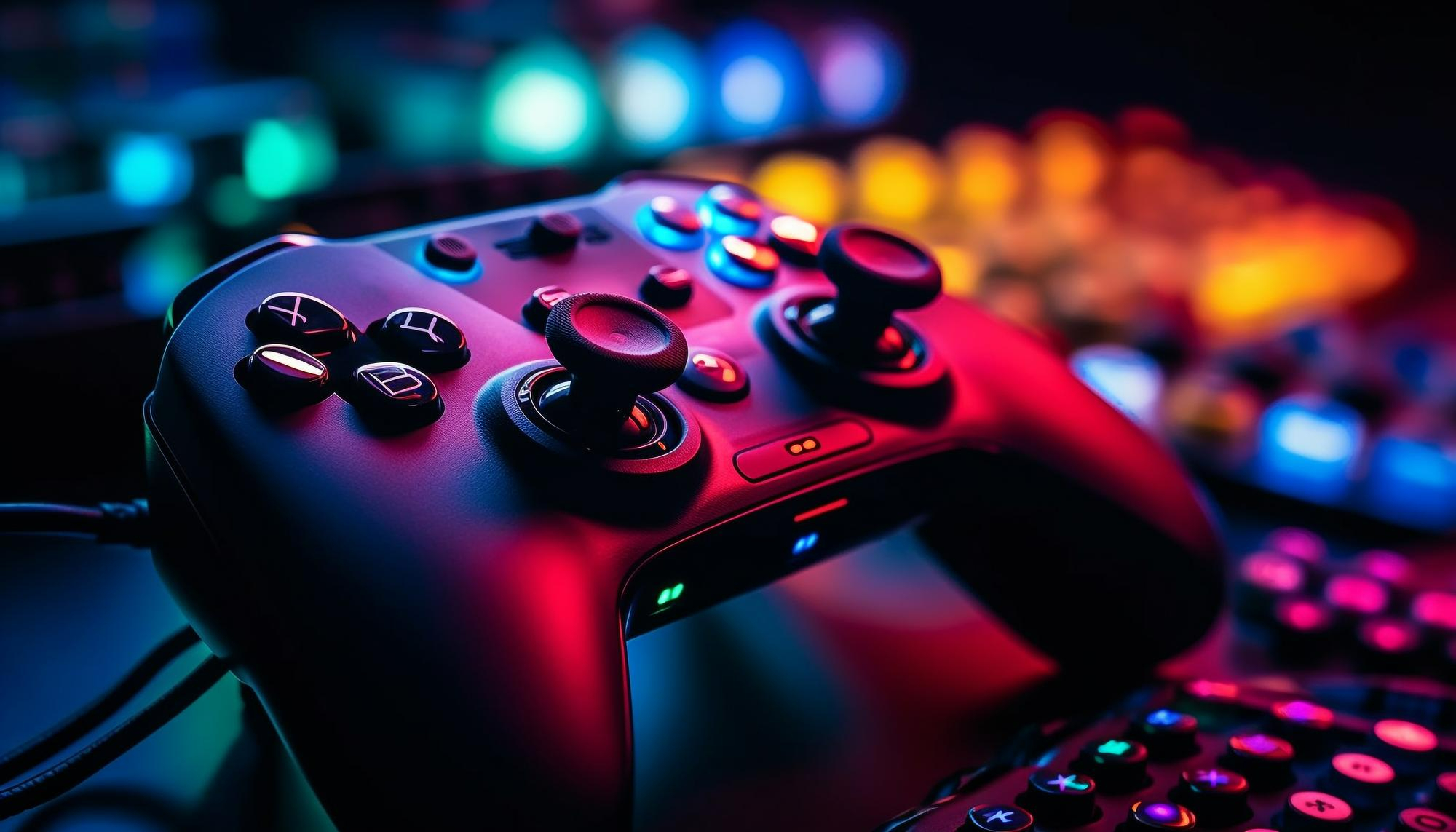
Imagine a world where everyone, regardless of their physical abilities, can dive into the thrilling universe of video games. It’s not just about entertainment; it’s about inclusion, community, and the pure joy of play. This is the promise of adaptive gaming technology, a field that's rapidly transforming the gaming landscape.
For many gamers with disabilities, engaging with their favorite games can be a frustrating experience. Standard controllers and interfaces often present significant hurdles, making it difficult or even impossible to participate. This can lead to feelings of isolation and exclusion, denying individuals the social and cognitive benefits that gaming offers.
Adaptive gaming technology aims to bridge this gap by providing customized solutions that enable gamers with disabilities to enjoy a more accessible and fulfilling gaming experience. These innovations range from modified controllers and alternative input devices to software solutions that remap controls and provide personalized support.
This article explores the world of adaptive gaming technology, highlighting its significance in promoting inclusivity and accessibility within the gaming community. We'll delve into the various types of adaptive equipment available, discuss the impact of these technologies on disabled gamers, and look at the future of adaptive gaming. This realm encompasses accessibility, customized solutions, modified controllers, alternative input devices, and software solutions.
My Personal Journey with Adaptive Gaming
I’ll never forget the first time I witnessed the transformative power of adaptive gaming firsthand. I was volunteering at a gaming convention when I met a young man named David, who had limited mobility in his hands due to cerebral palsy. He told me about his passion for video games, particularly strategy games, but how difficult it was for him to play using a standard mouse and keyboard. He shared stories of struggling to keep up with other players, the frustration of misclicks, and the overall feeling of being left out. He felt like an outsider looking in.
Then, I introduced him to a one-handed controller and a voice-activated software program. Suddenly, David's face lit up. He started experimenting with the new setup, carefully mapping controls and adjusting sensitivity settings. Over the next few hours, I watched as he gradually mastered the interface, his movements becoming more fluid and confident. He was no longer struggling against the limitations of the equipment; he was finally playing the game on his own terms.
Seeing David’s joy and sense of accomplishment was incredibly moving. It was then that I truly understood the profound impact that adaptive gaming technology can have on people’s lives. It’s not just about making games accessible; it's about empowering individuals to participate, connect, and thrive in a world that often overlooks their needs. Adaptive gaming technology is vital.
What is Adaptive Gaming Technology?
Adaptive gaming technology refers to the hardware and software solutions designed to make video games accessible to individuals with disabilities. It encompasses a wide range of innovations that cater to diverse needs, including mobility impairments, visual impairments, auditory impairments, and cognitive disabilities. The goal is to create a gaming experience that is both enjoyable and inclusive for everyone, regardless of their physical or cognitive limitations.
One of the most common forms of adaptive gaming technology is modified controllers. These controllers are designed to be used with one hand, with alternative button layouts, or with larger, easier-to-press buttons. Some controllers even incorporate features like sip-and-puff technology, which allows gamers to control the game using their breath. Alternative input devices, such as eye-tracking systems and head-tracking systems, are also becoming increasingly popular. These devices allow gamers to control the game using their eyes or head movements, providing a hands-free gaming experience.
Software solutions play a crucial role in adaptive gaming as well. Game developers are increasingly incorporating accessibility features into their games, such as customizable controls, adjustable text sizes, and colorblind modes. Screen readers and voice-activated software can also be used to enhance accessibility for gamers with visual or cognitive impairments. Adaptive gaming technology offers a powerful tool for social inclusion.
History and Myths of Adaptive Gaming
The history of adaptive gaming technology is intertwined with the broader evolution of assistive technology. While the modern concept of adaptive gaming is relatively recent, the roots can be traced back to early efforts to create accessible interfaces for computers and other electronic devices. One early myth was that adapting games was too difficult and costly for developers to undertake, and wouldn't be worth it in the long run. This misconception is fading away as developers recognize the market potential and the ethical imperative to include all gamers.
In the 1980s, researchers and engineers began experimenting with modified keyboards and joysticks to enable individuals with disabilities to use computers more effectively. These early efforts laid the foundation for the development of adaptive gaming equipment. As video games became more popular, demand grew for ways to make them accessible to a wider audience. Early adaptive solutions often involved complex and expensive custom-built devices. The advent of personal computers and open source software has made adaptive gaming technology more accessible.
Another myth is that adaptive gaming is only for individuals with severe disabilities. While adaptive technology is essential for those with significant limitations, it can also benefit people with mild or moderate impairments, such as arthritis or carpal tunnel syndrome. Adaptive gaming's history is one of innovation driven by necessity and fueled by a growing recognition of the importance of inclusivity.
Hidden Secrets of Adaptive Gaming
One of the best-kept secrets about adaptive gaming technology is its potential to unlock cognitive and therapeutic benefits. While the primary goal is to make gaming accessible, many adaptive devices and software solutions can also improve cognitive function, motor skills, and emotional well-being. Gamers with disabilities often report increased confidence, self-esteem, and social interaction as a result of being able to participate in the gaming community.
Another hidden secret is the power of community within the adaptive gaming world. Online forums, social media groups, and gaming communities dedicated to disabled gamers provide a supportive and inclusive environment where individuals can share tips, connect with others, and celebrate their achievements. This sense of belonging can be incredibly valuable, especially for those who may feel isolated or marginalized in other areas of their lives. It also fosters innovation, as gamers often share their own unique adaptations and modifications to equipment and software.
Perhaps the biggest hidden secret is the untapped potential for further innovation. While significant progress has been made in recent years, there is still much work to be done to develop more affordable, accessible, and customizable adaptive gaming solutions. Researchers, engineers, and game developers are constantly exploring new technologies, such as artificial intelligence and virtual reality, to create even more immersive and inclusive gaming experiences. Collaboration and open-source development are key to unlocking the full potential of adaptive gaming.
Recommendations for Adaptive Gaming
If you're new to adaptive gaming, a great place to start is by exploring the various adaptive controllers available on the market. The Xbox Adaptive Controller, for example, is a versatile device that can be customized with a wide range of external switches, buttons, and joysticks. This allows gamers to create a personalized setup that meets their specific needs and preferences.
Another important recommendation is to research and experiment with different software accessibility features. Many games now include built-in options for remapping controls, adjusting text sizes, and enabling colorblind modes. These features can make a significant difference in the overall gaming experience. Don't be afraid to try different combinations of settings to find what works best for you. Engage with the community, ask questions, and share your experiences to help others on their adaptive gaming journey.
Consider consulting with an occupational therapist or assistive technology specialist. These professionals can provide valuable guidance and support in selecting the right adaptive equipment and software for your needs. They can also help you learn how to use the equipment effectively and safely. Accessibility is an ongoing process.
The Impact of Adaptive Gaming on Quality of Life
Adaptive gaming extends beyond mere entertainment; it significantly enhances the quality of life for individuals with disabilities. By providing access to a world of engaging experiences, adaptive gaming fosters social inclusion, boosts self-esteem, and promotes cognitive and physical rehabilitation. It allows individuals to participate in a shared cultural activity, connect with others, and experience the thrill of competition and collaboration. The sense of accomplishment and mastery that comes from overcoming challenges in a game can have a profound impact on a person's overall well-being.
Moreover, adaptive gaming can serve as a valuable tool for physical and cognitive therapy. Certain games can improve hand-eye coordination, reaction time, and problem-solving skills. The repetitive movements involved in gaming can also help to strengthen muscles and improve motor control. Therapists are increasingly incorporating video games into their treatment plans to engage patients and motivate them to participate in rehabilitation exercises. For many, gaming provides a welcome distraction from pain and discomfort, allowing them to focus on achieving their goals.
Adaptive gaming can also reduce feelings of isolation and loneliness. Online gaming communities provide a space for individuals with disabilities to connect with others who share their interests and experiences. These communities offer support, encouragement, and a sense of belonging. By participating in online games, individuals can build friendships, develop social skills, and feel more connected to the world around them. Overall, adaptive gaming has a far-reaching and positive impact on the lives of disabled gamers, empowering them to live more fulfilling and independent lives.
Tips for Adaptive Gaming
One of the most important tips for adaptive gaming is to start small and gradually increase the complexity of the games you play. Begin with games that have simple controls and clear objectives. This will allow you to get comfortable with your adaptive equipment and develop the skills you need to succeed. As you gain confidence, you can gradually move on to more challenging games.
Another helpful tip is to experiment with different control schemes and settings. Many games offer a variety of control options that can be customized to suit your needs. Don't be afraid to try different combinations of settings to find what works best for you. You can also use third-party software to remap controls or create custom macros. Remember to take breaks regularly to avoid fatigue or strain. Adaptive gaming is a marathon, not a sprint.
Communicate with other players and ask for help when you need it. The gaming community is generally very supportive and willing to assist newcomers. Don't hesitate to ask for tips, advice, or assistance with troubleshooting technical issues. Adaptive gaming can open the door to new skills and a sense of belonging.
Advocacy and Awareness in Adaptive Gaming
Advocacy and awareness are crucial to promoting inclusivity and accessibility in the gaming industry. By raising awareness about the needs and experiences of disabled gamers, we can encourage game developers and manufacturers to create more accessible products and services. Advocacy involves speaking out for the rights of disabled gamers and pushing for policy changes that will improve their access to gaming.
One way to advocate for adaptive gaming is to support organizations that are working to promote accessibility in the gaming industry. These organizations often provide resources, training, and support for disabled gamers and advocate for policies that will make gaming more inclusive. Another way to raise awareness is to share your own experiences with adaptive gaming. By sharing your story, you can help to educate others about the challenges and opportunities that exist in the adaptive gaming world.
We can create a more welcoming and inclusive gaming environment for everyone. Inclusive practices make a meaningful impact.
Fun Facts of Adaptive Gaming
Did you know that the Xbox Adaptive Controller was developed in collaboration with disabled gamers? Microsoft worked closely with accessibility experts and gamers with disabilities to create a controller that would meet the diverse needs of the gaming community. This collaborative approach ensured that the controller was both functional and user-friendly.
Another fun fact is that adaptive gaming is not just for individuals with physical disabilities. Adaptive technology can also benefit people with cognitive disabilities, such as ADHD and autism. Certain games and adaptive equipment can help to improve focus, attention, and problem-solving skills. Adaptive gaming can be a powerful tool for cognitive enhancement.
Adaptive gaming is a rapidly growing field with endless possibilities. The gaming industry is becoming more inclusive.
How to Get Started with Adaptive Gaming
Getting started with adaptive gaming can seem daunting, but with the right resources and support, it can be a rewarding and empowering experience. The first step is to identify your specific needs and goals. What types of games do you enjoy playing? What physical or cognitive limitations do you face? Once you have a clear understanding of your needs, you can begin to explore the various adaptive gaming options available.
Consider reaching out to organizations that specialize in adaptive gaming. These organizations can provide valuable information, advice, and support. Many of them also offer equipment loans or rentals, allowing you to try out different devices before making a purchase. Experiment with different control schemes, settings, and adaptive equipment to find what works best for you. Don't be afraid to ask for help from other gamers or accessibility experts. Gaming should be an enjoyable and accessible activity for everyone.
Start with simple games that have clear objectives and easy-to-learn controls. As you gain confidence and skill, you can gradually move on to more challenging games. Remember to be patient with yourself and celebrate your successes along the way. Celebrate every victory and milestone.
What if Adaptive Gaming...?
What if adaptive gaming became the norm, rather than the exception? Imagine a future where all video games are designed with accessibility in mind, where adaptive equipment is readily available and affordable, and where disabled gamers are fully integrated into the gaming community. This future is within our reach if we continue to invest in adaptive gaming technology and promote inclusivity in the gaming industry. This can lead to greater independence and fulfillment for people with disabilities.
What if adaptive gaming was recognized as a form of therapy? Video games can be used to improve cognitive function, motor skills, and emotional well-being. By incorporating adaptive gaming into therapy programs, we can provide patients with a fun and engaging way to achieve their goals. Adaptive gaming opens up new possibilities.
What if adaptive gaming inspired a new generation of inventors and innovators? The challenges of creating accessible gaming solutions can spark creativity and lead to the development of new technologies that benefit everyone. Adaptive gaming fuels innovation.
Listicle of Adaptive Gaming
1. Xbox Adaptive Controller: A versatile and customizable controller designed for gamers with disabilities.
2. One-Handed Controllers: Controllers designed to be used with one hand, often featuring alternative button layouts.
3. Eye-Tracking Systems: Devices that allow gamers to control the game using their eye movements.
4. Head-Tracking Systems: Devices that allow gamers to control the game using their head movements.
5. Voice-Activated Software: Software that allows gamers to control the game using their voice.
6. Customizable Control Schemes: In-game options that allow gamers to remap controls to suit their needs.
7. Adjustable Text Sizes: In-game options that allow gamers to increase the size of text for better readability.
8. Colorblind Modes: In-game options that adjust the colors to make the game more accessible for colorblind players.
9. Adaptive Gaming Mice: Mice designed with ergonomic features and customizable buttons for gamers with limited mobility.
10. Gaming Communities for Disabled Gamers: Online forums and social media groups where disabled gamers can connect, share tips, and support each other.
Question and Answer about Adaptive Gaming Technology: Innovation for Disabled Gamers
Q: What is adaptive gaming technology?
A: Adaptive gaming technology refers to the hardware and software solutions designed to make video games accessible to individuals with disabilities. It includes modified controllers, alternative input devices, and software features that allow gamers to customize their gaming experience.
Q: Who benefits from adaptive gaming technology?
A: Adaptive gaming technology benefits individuals with a wide range of disabilities, including mobility impairments, visual impairments, auditory impairments, and cognitive disabilities. It can also benefit people with mild or moderate impairments, such as arthritis or carpal tunnel syndrome.
Q: How can I get started with adaptive gaming?
A: Start by identifying your specific needs and goals. Then, explore the various adaptive gaming options available and experiment with different control schemes and settings. You can also reach out to organizations that specialize in adaptive gaming for guidance and support.
Q: What are some of the benefits of adaptive gaming?
A: Adaptive gaming can enhance the quality of life for individuals with disabilities by promoting social inclusion, boosting self-esteem, and providing cognitive and physical rehabilitation. It can also reduce feelings of isolation and loneliness.
Conclusion of Gaming Adaptive Technology: Innovation for Disabled Gamers
Adaptive gaming technology is revolutionizing the gaming landscape, creating a more inclusive and accessible world for gamers with disabilities. By providing customized solutions that cater to diverse needs, adaptive gaming empowers individuals to participate, connect, and thrive in the gaming community. As technology continues to advance, we can expect even more innovative and accessible gaming solutions to emerge, further breaking down barriers and creating a truly level playing field for all. The future of gaming is adaptive and inclusive, and we are all invited to play a part in shaping that future.
Post a Comment