Gaming Accessibility Innovation: Technology Serving All Gamers
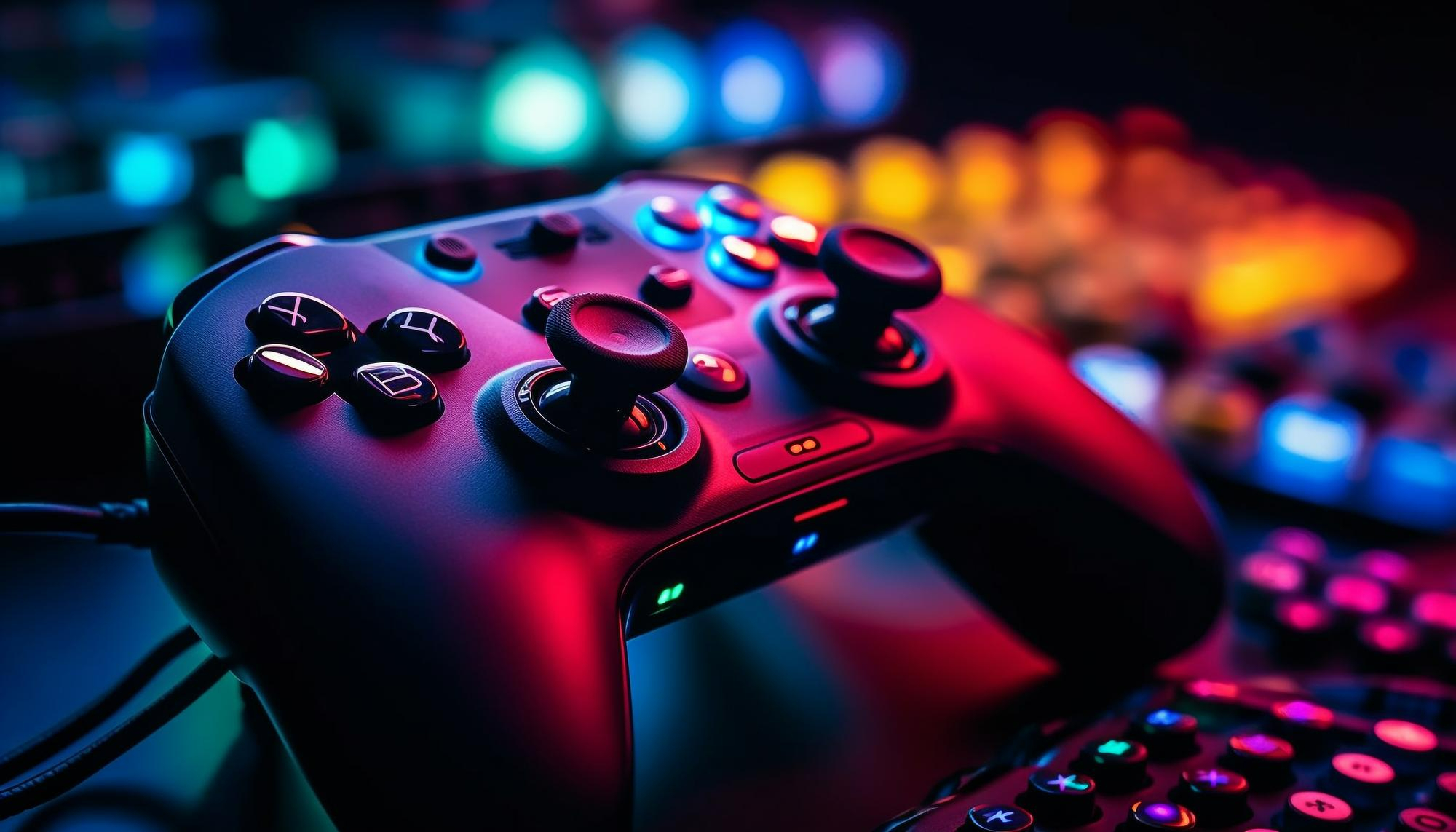
Imagine a world where everyone, regardless of physical ability, can dive into the immersive worlds of video games. No barriers, no limitations, just pure, unadulterated fun for all. That future is closer than you think, thanks to incredible advancements in gaming accessibility.
For too long, gaming has presented unintentional hurdles for individuals with disabilities. Complex controller schemes, reliance on visual or auditory cues, and a lack of customizable options have often made it difficult, if not impossible, for many to fully enjoy the interactive experiences that games offer.
The core objective of gaming accessibility innovation is to dismantle these barriers and create a gaming landscape where everyone can participate and thrive. It's about leveraging technology to bridge the gap, ensuring that disabilities don't equate to exclusion from the joy and camaraderie that gaming provides. This means creating customizable control schemes, alternative input devices, and visual and auditory aids that cater to a diverse range of needs.
This article explores the exciting advancements in gaming accessibility, highlighting the technological innovations that are making gaming more inclusive. We will look at customizable controllers, eye-tracking technology, haptic feedback systems, and software adaptations that are transforming the gaming experience for players with disabilities. This is a journey into how technology is serving all gamers, fostering a more welcoming and equitable gaming community.
My Journey into Accessible Gaming
My own understanding of accessible gaming truly clicked when I met Sarah at a gaming convention a few years back. Sarah, a passionate gamer with limited mobility in her hands, was struggling to play a popular action-adventure title. The default controller setup was simply impossible for her to manage comfortably. Seeing her frustration, I started researching alternative controllers and adaptive gaming solutions. This led me down a fascinating rabbit hole of innovation and dedication. I discovered companies designing controllers that could be used with one hand, software that allowed for voice control, and even eye-tracking technology that translated gaze into in-game actions. This realization was a turning point. It wasn't just about making games easier; it was about making them accessible, allowing individuals like Sarah to experience the joy and challenge of gaming on their own terms. Since then, I have become a huge advocate for accessibility in gaming. I have learned that adaptive controllers offer programmable buttons, sensitivity adjustments, and modular components that can be tailored to an individual's specific needs. Eye-tracking technology enables gamers to control on-screen characters and navigate menus simply by looking at them, offering a hands-free gaming experience. Voice control software allows players to issue commands and perform actions using their voice, further enhancing accessibility. Haptic feedback provides tactile sensations, giving gamers with visual impairments a better understanding of in-game events. All of these advances continue to develop, as technology improves, making it possible for more and more gamers to enjoy the hobby.
What is Gaming Accessibility Innovation?
Gaming accessibility innovation is the deliberate and creative process of designing and developing video games, hardware, and software with the specific intention of making them playable and enjoyable by individuals with a wide range of disabilities. It encompasses a broad spectrum of approaches, from incorporating customizable options into game design to creating entirely new assistive technologies. Think beyond just adding subtitles (though that's definitely a part of it!). We're talking about fundamentally rethinking how games are played and experienced. This means that developers need to consider different control schemes, varying levels of difficulty, customizable user interfaces, and alternative methods of providing information to the player. They also need to work closely with disability advocacy groups and individual gamers with disabilities to get direct feedback on what works and what doesn't. Gaming accessibility innovation also involves developing specialized hardware like adaptive controllers, eye-tracking systems, and haptic feedback devices. These technologies offer alternative ways for players to interact with games, overcoming physical limitations that might otherwise prevent them from participating. Ultimately, the goal of gaming accessibility innovation is to break down barriers and create a level playing field for all gamers, regardless of their abilities. This not only benefits individuals with disabilities but also enriches the gaming community as a whole by fostering inclusivity and diversity.
The History and Myths of Gaming Accessibility
The journey towards accessible gaming has been a gradual one, marked by incremental progress and shifting perceptions. In the early days of gaming, accessibility was often an afterthought, if considered at all. However, as technology advanced and the gaming community grew, so did awareness of the need for inclusivity. One common myth is that accessibility features make games "too easy" or compromise the intended challenge. This couldn't be further from the truth. Accessibility is about providing options and customization, allowing players to tailor the game to their individual needs and preferences. Another misconception is that accessibility features are only for people with severe disabilities. In reality, many players can benefit from these features, including those with temporary injuries, age-related impairments, or even just a preference for a different control scheme. Early examples of accessibility considerations included adjustable difficulty settings and customizable control mapping. However, these were often limited in scope and didn't address the diverse needs of gamers with disabilities. As technology evolved, so did the possibilities for accessibility. The introduction of adaptive controllers, voice control software, and eye-tracking technology opened up new avenues for players with disabilities to participate in gaming. Today, there is a growing movement within the gaming industry to prioritize accessibility from the outset of game development. Developers are increasingly working with accessibility consultants and disability advocacy groups to ensure that their games are inclusive and enjoyable for all players. The future of gaming accessibility is bright, with ongoing innovation and a growing commitment to creating a more inclusive gaming community.
The Hidden Secrets of Accessible Gaming
One of the most impactful, yet often overlooked, aspects of accessible gaming is its ability to foster social connection and combat isolation. For individuals with disabilities, gaming can provide a sense of community and belonging that may be difficult to find elsewhere. Many online games offer opportunities to connect with other players, form friendships, and participate in collaborative activities. These virtual interactions can be incredibly valuable for individuals who may face social barriers in the real world. Another hidden secret of accessible gaming is its potential to improve cognitive and motor skills. Many games require players to use problem-solving skills, hand-eye coordination, and strategic thinking. These skills can be particularly beneficial for individuals with cognitive or physical impairments, helping them to maintain and improve their abilities. Accessible gaming can also be a powerful tool for rehabilitation. Therapists are increasingly using video games as part of their treatment plans, helping patients to recover from injuries or manage chronic conditions. Games can provide a fun and engaging way to practice motor skills, improve cognitive function, and build confidence. Finally, accessible gaming can be a source of empowerment. By providing individuals with disabilities the opportunity to overcome challenges and achieve success, gaming can help them to build self-esteem and confidence. This can have a positive impact on their overall well-being and quality of life. The accessibility features that are making games available to the disabled are not always well known, and these features are improving constantly.
Recommendations for Accessible Gaming
If you're looking to explore the world of accessible gaming, there are several resources and recommendations to keep in mind. Start by researching adaptive controllers and assistive technologies that might be a good fit for your needs or the needs of someone you know. Organizations like Able Gamers and Special Effect provide valuable information and resources on accessible gaming hardware and software. Next, explore games that have been specifically designed with accessibility in mind. Many developers are now including accessibility options in their games, such as customizable controls, adjustable difficulty settings, and visual and auditory aids. Look for games that have been reviewed by accessibility experts or that have received positive feedback from gamers with disabilities. Consider joining online gaming communities that focus on accessibility. These communities can provide a supportive and informative environment where you can connect with other gamers, share experiences, and learn about new accessibility features and technologies. Be an advocate for accessibility in gaming. Encourage developers to prioritize accessibility in their games and provide feedback on accessibility features that work well or could be improved. Finally, remember that accessible gaming is a journey, not a destination. Experiment with different options, try new technologies, and don't be afraid to ask for help. The gaming community is becoming increasingly inclusive, and there are many resources available to support you along the way. You can support developers of games with a commitment to providing those accessibility options in their games.
Finding the Right Accessible Game
Choosing the right accessible game can make all the difference in the world. It's not just about finding a game that's technically playable; it's about finding one that's engaging, enjoyable, and meets your individual needs and preferences. Start by considering your interests and gaming preferences. What genres of games do you typically enjoy? Are you drawn to action-adventure, role-playing, strategy, or puzzle games? Once you have a general idea of what you're looking for, you can start researching games that offer accessibility features that align with your specific needs. For example, if you have limited mobility, you might look for games that support customizable controls, voice control, or eye-tracking technology. If you have visual impairments, you might look for games with adjustable font sizes, high-contrast color schemes, or audio cues. Pay attention to reviews and recommendations from accessibility experts and other gamers with disabilities. They can provide valuable insights into the accessibility features of different games and help you to identify games that are a good fit for you. Don't be afraid to try out different games and experiment with different accessibility settings. Many games offer demos or free trials that allow you to test out the gameplay and accessibility features before you commit to purchasing the full game. Gaming conventions and accessibility events can also be a great way to try out new games and technologies in person. Finally, remember that accessibility is not a one-size-fits-all solution. What works for one gamer may not work for another. Be patient, persistent, and don't be afraid to ask for help. With a little research and experimentation, you can find the perfect accessible game to suit your individual needs and preferences.
Tips for Improving Gaming Accessibility
There are many simple yet effective strategies that can significantly enhance gaming accessibility, creating a more inclusive and enjoyable experience for all. First, customize your controls. Most modern games allow you to remap buttons and adjust sensitivity settings. Experiment with different configurations to find a setup that works best for you. Second, utilize assistive technologies. Adaptive controllers, voice control software, and eye-tracking systems can provide alternative ways to interact with games, overcoming physical limitations. Third, adjust visual settings. Many games offer options to adjust font sizes, color schemes, and brightness levels. These settings can be particularly helpful for gamers with visual impairments. Fourth, enable audio cues. Audio cues can provide valuable information about in-game events, helping gamers with visual impairments to navigate and interact with the game world. Fifth, slow down the gameplay. Many games offer difficulty settings that allow you to slow down the pace of the game, giving you more time to react and make decisions. Sixth, use subtitles and captions. Subtitles and captions can provide a written transcript of dialogue and other audio cues, making the game more accessible for gamers with hearing impairments. Seventh, take breaks. Gaming for extended periods can be physically and mentally demanding. Take regular breaks to rest and recharge. Eighth, connect with other gamers. Online gaming communities can provide a supportive and informative environment where you can share experiences and learn about new accessibility features and technologies. With technology improving, you might consider developing games that specifically address accessibility issues. Finally, advocate for accessibility in gaming. Encourage developers to prioritize accessibility in their games and provide feedback on accessibility features that work well or could be improved.
Assistive Technology in Gaming
Assistive technology (AT) plays a crucial role in leveling the playing field for gamers with disabilities, enabling them to participate and enjoy gaming experiences that might otherwise be inaccessible. These technologies encompass a wide range of hardware and software solutions designed to address specific physical, sensory, or cognitive limitations. Adaptive controllers are a prime example of AT in gaming. These controllers feature customizable buttons, joysticks, and other input mechanisms that can be tailored to an individual's specific needs and abilities. Voice control software allows gamers to control on-screen characters and navigate menus using their voice, providing a hands-free gaming experience. Eye-tracking technology translates gaze into in-game actions, enabling gamers to control the game simply by looking at the screen. Switch access systems allow gamers to use one or more switches to perform actions that would typically require multiple button presses. Haptic feedback devices provide tactile sensations that enhance the gaming experience for gamers with visual impairments. AT can also include software solutions such as screen readers, magnifiers, and text-to-speech programs. These tools can help gamers with visual impairments to access on-screen information and communicate with other players. AT is constantly evolving, with new and innovative solutions being developed all the time. As technology advances, the possibilities for accessible gaming become ever greater. AT empowers gamers with disabilities to overcome barriers, participate fully in the gaming community, and experience the joy and challenge of gaming on their own terms. It is not always easy to choose or use the right technology, but gamers are dedicated to this hobby, and they persevere.
Fun Facts About Gaming Accessibility Innovation
Did you know that the Xbox Adaptive Controller was co-designed with input from gamers with disabilities? This collaborative approach ensured that the controller met the diverse needs of the gaming community. One of the first games to feature robust accessibility options was Oddworld: Abe's Oddysee, released in 1997. The game included adjustable difficulty settings and customizable controls. The Able Gamers Charity has helped thousands of gamers with disabilities by providing assistive technology, training, and support. Special Effect, a UK-based charity, uses technology to enhance the lives of people with disabilities, including providing accessible gaming solutions. Eye-tracking technology is being used not only for gaming but also for communication and environmental control for individuals with severe disabilities. Some games are now being designed with "co-pilot" modes that allow two players to control the same character, enabling gamers with disabilities to play alongside their friends and family. Haptic feedback technology is being used to create more immersive gaming experiences for gamers with visual impairments, providing tactile cues that simulate in-game events. The gaming industry is increasingly recognizing the importance of accessibility, with many developers now including accessibility options in their games from the outset. Gaming accessibility is not only about making games more playable for individuals with disabilities but also about creating a more inclusive and welcoming gaming community for everyone. The advancements continue every year to make gaming more fun for every gamer.
How to Get Involved in Gaming Accessibility
There are many ways to get involved in the movement for gaming accessibility, whether you're a gamer with a disability, a developer, or simply a passionate advocate. If you're a gamer with a disability, share your experiences and needs with developers and other gamers. Your feedback is invaluable in helping to shape the future of accessible gaming. If you're a developer, prioritize accessibility in your game design. Consult with accessibility experts and gamers with disabilities to ensure that your game is inclusive and enjoyable for all players. If you're a gamer without a disability, be an ally to gamers with disabilities. Support their efforts to advocate for accessibility and challenge ableist attitudes within the gaming community. Volunteer your time or donate to organizations that support accessible gaming, such as Able Gamers and Special Effect. These organizations provide valuable resources and support to gamers with disabilities. Spread awareness about gaming accessibility. Talk to your friends, family, and colleagues about the importance of inclusivity in gaming. Write articles, blog posts, or social media updates about accessible gaming. Attend gaming conventions and accessibility events. These events provide opportunities to learn about new accessibility features and technologies and connect with other gamers and developers. Get involved in online gaming communities that focus on accessibility. These communities can provide a supportive and informative environment where you can share experiences and learn from others. Advocate for policy changes that support gaming accessibility. Contact your elected officials and urge them to support legislation that promotes inclusivity in gaming. By working together, we can create a gaming community that is welcoming and accessible to everyone.
What If Gaming Accessibility Didn't Exist?
Imagine a world where gaming accessibility was not a priority. The gaming landscape would be vastly different, and the impact on individuals with disabilities would be significant. Many gamers with disabilities would be excluded from participating in one of the world's most popular forms of entertainment. They would miss out on the joy, challenge, and social connection that gaming provides. The gaming community would be less diverse and inclusive. The absence of gamers with disabilities would limit the perspectives and experiences that are shared within the community. Innovation in gaming technology would be stifled. The lack of demand for accessible gaming solutions would discourage developers from investing in new technologies that benefit gamers with disabilities. The potential for therapeutic benefits from gaming would be diminished. Games can be a valuable tool for rehabilitation and cognitive training, but these benefits would be less accessible to individuals with disabilities. The sense of empowerment and self-esteem that gaming can provide would be lost for many. By overcoming challenges and achieving success in games, individuals with disabilities can build confidence and improve their overall well-being. The gaming industry would miss out on a significant market opportunity. Gamers with disabilities represent a large and growing market, and by failing to cater to their needs, the industry would be leaving money on the table. The cultural landscape would be less rich and vibrant. Gaming has become a major cultural force, and the absence of gamers with disabilities would diminish the diversity and richness of the gaming experience. If gaming accessibility didn't exist, the world would be a less inclusive and equitable place for individuals with disabilities. But luckily, we live in a world where technological innovation makes it possible to include this population in gaming culture.
Listicle: Top 5 Gaming Accessibility Innovations
Here are five key innovations driving progress in gaming accessibility:
- Adaptive Controllers: Customizable hardware like the Xbox Adaptive Controller allows for tailored input, accommodating diverse physical needs and enabling personalized gaming experiences.
- Eye-Tracking Technology: Turning gaze into control, this tech offers hands-free navigation and interaction, breaking down barriers for gamers with limited mobility.
- Voice Control Software: Gamers can use vocal commands to perform actions, revolutionizing gameplay for those unable to use traditional controllers.
- Haptic Feedback Systems: Enhancing immersion for visually impaired gamers, these systems provide tactile cues that simulate in-game events, broadening the playing experience.
- Customizable Game Settings: Adjustable difficulty levels, remapable controls, and visual aids are increasingly common, allowing gamers to fine-tune their experience.
These innovations collectively transform the gaming landscape, championing inclusivity and ensuring that players of all abilities can partake in the joy and excitement of video games. The developers of these gaming innovations should be praised for these important milestones in gaming accessibility.
Question and Answer about Gaming Accessibility Innovation
Question 1: What are the most common accessibility barriers in video games?
Answer: Common barriers include complex controls, reliance on visual and auditory cues, lack of customization options, and fast-paced gameplay.
Question 2: How can developers make their games more accessible?
Answer: Developers can implement customizable controls, adjustable difficulty settings, visual and auditory aids, and support for assistive technologies.
Question 3: What are some examples of assistive technologies used in gaming?
Answer: Examples include adaptive controllers, eye-tracking systems, voice control software, and switch access systems.
Question 4: Where can I find more information about gaming accessibility?
Answer: Organizations like Able Gamers and Special Effect offer resources, support, and information about accessible gaming hardware, software, and best practices. These groups are dedicated to inclusivity.
Conclusion of Gaming Accessibility Innovation: Technology Serving All Gamers
The ongoing innovations in gaming accessibility represent a significant step towards a more inclusive and equitable gaming community. By embracing technology and prioritizing the needs of gamers with disabilities, we can break down barriers, foster social connection, and empower individuals to experience the joy and challenge of gaming on their own terms. The future of gaming is one where everyone has the opportunity to participate and thrive, regardless of their abilities. As technology continues to evolve, we can expect even more innovative solutions that will further enhance gaming accessibility and create a more welcoming and inclusive gaming community for all. By continuing to develop accessible gaming options, we will allow gamers to enjoy their pastime, and allow the developers to grow and thrive.
Post a Comment